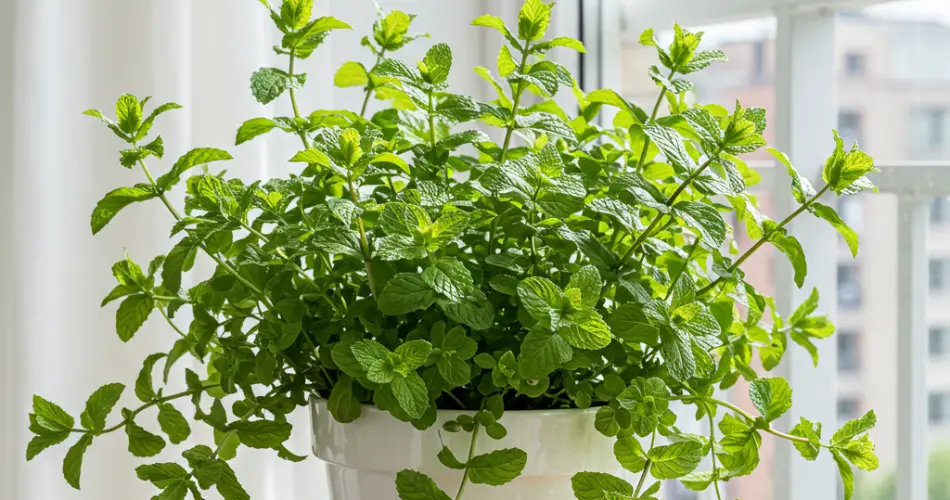
Mint is a wonderfully fragrant and versatile herb that adds fresh flavor to drinks, dishes, and desserts. It’s also incredibly easy to grow, making it a perfect plant for balcony gardeners of all experience levels. Whether you have a spacious balcony or just a small ledge, growing mint can be a rewarding way to bring greenery and freshness to your outdoor space.
This article will guide you through the simple steps to successfully grow mint on your balcony, helping you enjoy fresh, aromatic leaves all year round.
Why Grow Mint on Your Balcony?
-
Easy to grow: Mint is resilient and requires minimal care.
-
Fresh supply: Pick fresh leaves whenever you want.
-
Compact: Thrives well in containers, perfect for balcony gardening.
-
Versatile: Use in teas, salads, cocktails, sauces, and more.
-
Natural pest repellent: Its aroma helps deter some unwanted insects.
Step 1: Choose the Right Mint Variety
There are many types of mint, each with its own flavor and aroma. Some popular varieties include:
-
Spearmint: Sweet, mild flavor, ideal for cooking and drinks.
-
Peppermint: Stronger, cooling taste, great for teas and desserts.
-
Chocolate mint: Has a subtle chocolate aroma, unique and fun.
-
Apple mint: Fruity flavor, lovely for salads and garnishes.
Pick a variety that appeals to your taste and intended use. You can also grow multiple types for variety.
Step 2: Select a Suitable Container
Mint grows rapidly and spreads easily, so containing its roots is important:
-
Use a pot or container at least 8 to 12 inches deep and wide enough for the plant to spread.
-
Ensure your container has good drainage holes to prevent waterlogging.
-
Materials like terracotta, plastic, or ceramic pots all work well.
Consider self-watering containers or pots with saucers to make watering easier.
Step 3: Use the Right Soil
Mint prefers moist, well-draining soil rich in organic matter:
-
Use a high-quality potting mix suitable for herbs or vegetables.
-
Mix in compost or well-rotted manure to boost nutrients.
-
Avoid heavy or compacted soils which can hinder root growth.
Step 4: Planting Your Mint
You can start mint from seeds, cuttings, or small nursery plants:
-
Seeds: Sow seeds lightly on the surface of moist soil, then cover with a thin layer of soil. Keep the soil moist until germination.
-
Cuttings: Take a 4-6 inch stem cutting from a healthy mint plant. Remove lower leaves and place it in water or moist soil until roots develop.
-
Nursery plants: Simply transplant into your prepared container.
Plant mint so that the crown (where stem meets roots) is just above soil level.
Step 5: Location and Light
Mint thrives best in partial sun to partial shade:
-
Place your container where it receives 4 to 6 hours of indirect or morning sunlight.
-
Mint tolerates some shade, which makes it perfect for balconies with less direct sun.
-
Avoid intense afternoon sun, which can dry out the plant.
Step 6: Watering and Humidity
Mint likes consistent moisture but dislikes waterlogged soil:
-
Water when the top inch of soil feels dry.
-
Keep soil evenly moist but not soggy.
-
During hot weather, mist the leaves occasionally to increase humidity.
Good airflow around the plant helps prevent fungal diseases.
Step 7: Feeding Your Mint
-
Feed your mint plant every 4-6 weeks during the growing season.
-
Use a balanced, water-soluble fertilizer diluted to half strength.
-
Alternatively, organic options like compost tea or diluted fish emulsion work well.
Avoid over-fertilizing, which can reduce the intensity of mint’s flavor.
Step 8: Pruning and Harvesting
-
Regularly pinch off the tips of the mint stems to encourage bushier growth.
-
Harvest leaves anytime once the plant is established, preferably before flowering.
-
Remove flower buds to prevent the plant from going to seed and to prolong leaf production.
-
Use sharp scissors or pinch with your fingers, harvesting no more than one-third of the plant at a time to avoid stress.
Step 9: Managing Pests and Problems
Mint is relatively pest-resistant but watch out for:
-
Aphids: Small green or black insects clustered on new growth.
-
Spider mites: Tiny, web-producing pests causing leaf yellowing.
-
Powdery mildew: A white powdery coating on leaves in humid conditions.
Treat problems by rinsing leaves with water, introducing beneficial insects, or applying insecticidal soap if necessary.
Step 10: Winter Care for Mint on Balcony
-
If you live in a cold climate, move your mint container indoors during winter or place it in a sheltered area.
-
Reduce watering but don’t let the soil dry out completely.
-
Mint will often go dormant and regrow in spring.
Final Tips for Growing Mint on Balcony
-
Mint grows vigorously and can become invasive if planted in garden beds. Containers are ideal for control.
-
Rotate the container occasionally to ensure even sunlight exposure.
-
Companion plant mint with tomatoes or cabbage on your balcony, as it can help repel pests.
-
Try harvesting mint regularly to keep it fresh and encourage new growth.
Conclusion
Growing mint on your balcony is a simple and rewarding way to add fresh herbs to your kitchen and green up your outdoor space. With minimal effort and these easy tips, you can enjoy the delightful aroma and flavor of homegrown mint year-round. Whether you’re a novice or an experienced gardener, mint is one of the most forgiving and versatile herbs to cultivate.
Start your balcony mint garden today and experience the satisfaction of harvesting fresh, fragrant leaves whenever you desire!


