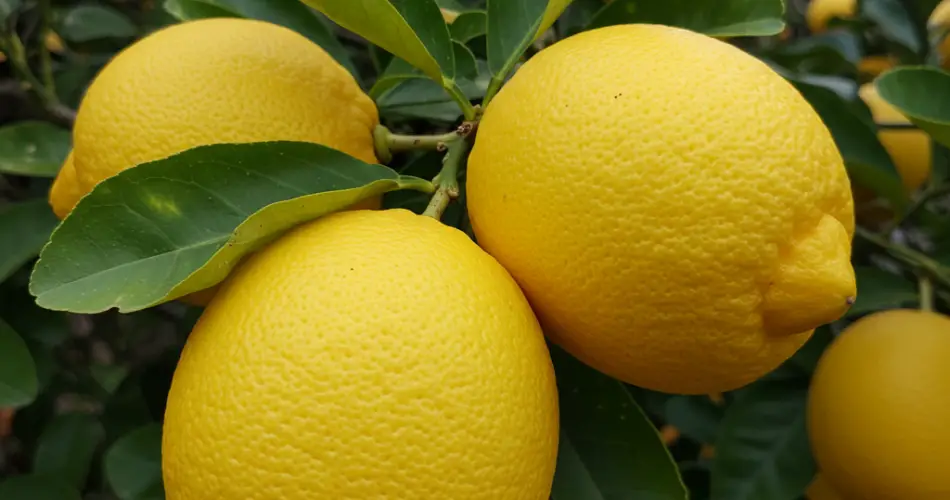
Lemons are a wonderfully versatile fruit, perfect for cooking, baking, drinks, and even natural cleaning solutions. Growing your own lemon tree in the garden can be incredibly rewarding, providing fresh lemons right at your doorstep. With some easy tricks and proper care, you can cultivate healthy lemon trees even if you’re a beginner gardener.
This guide will walk you through the essential steps to grow lemons successfully in your garden, helping you enjoy abundant harvests of this vibrant citrus fruit.
Why Grow Lemons at Home?
-
Freshness: Homegrown lemons have unbeatable flavor and aroma.
-
Health benefits: Rich in vitamin C and antioxidants.
-
Aesthetic appeal: Lemon trees add beauty and fragrance to any garden.
-
Cost-saving: Avoid purchasing lemons regularly at the store.
-
Gardening satisfaction: Growing citrus trees is a fulfilling hobby.
Step 1: Choose the Right Lemon Variety
There are several types of lemon trees suited to different climates and gardening conditions:
-
Eureka and Lisbon: Common commercial varieties, great for warmer climates.
-
Meyer lemon: A popular choice for home gardeners; sweeter and more cold-tolerant.
-
Ponderosa lemon: Known for large fruit, suitable for container growing.
Choose a variety that suits your local climate and garden space. Meyer lemons are particularly good for beginners and can be grown in pots or garden beds.
Step 2: Find the Perfect Location
Lemon trees love sunshine and warmth:
-
Plant your lemon tree in a spot that gets at least 6 to 8 hours of direct sunlight daily.
-
Choose a location protected from strong winds, which can damage blossoms and fruit.
-
Ensure the site has well-draining soil; lemon trees do not tolerate waterlogged roots.
If you live in a colder climate, consider growing your lemon tree in a large pot that can be moved indoors during winter.
Step 3: Prepare the Soil
Lemons prefer slightly acidic, fertile soil:
-
Test your soil pH; aim for a pH between 5.5 and 6.5.
-
Amend heavy or clay soils by mixing in organic compost and sand to improve drainage.
-
Add well-rotted manure or compost to enrich the soil before planting.
Good soil preparation helps establish strong roots and supports healthy growth.
Step 4: Planting Your Lemon Tree
-
Dig a hole twice as wide and as deep as the root ball.
-
Gently remove the lemon tree from its nursery container, loosen roots if compacted.
-
Place the tree in the hole at the same soil level as in the container.
-
Backfill with soil and press gently to remove air pockets.
-
Water thoroughly to settle the soil around the roots.
Step 5: Watering
Young lemon trees need regular watering to establish roots:
-
Water deeply once or twice a week, depending on weather and soil moisture.
-
Avoid overwatering; the soil should be moist but not soggy.
-
Mature lemon trees are drought-tolerant but benefit from consistent moisture, especially during flowering and fruit development.
Mulching around the base with organic material helps retain soil moisture and regulate temperature.
Step 6: Fertilizing for Optimal Growth
Lemon trees are heavy feeders and benefit from regular feeding:
-
Use a balanced citrus fertilizer with nitrogen, phosphorus, potassium, and micronutrients.
-
Fertilize every 6 to 8 weeks during the growing season (spring through summer).
-
Follow package instructions to avoid over-fertilizing, which can damage roots and reduce fruit quality.
Organic options like compost tea or fish emulsion also work well for feeding lemon trees.
Step 7: Pruning and Maintenance
Proper pruning keeps your lemon tree healthy and productive:
-
Remove dead, damaged, or crossing branches in late winter or early spring.
-
Thin out dense areas to allow sunlight and air circulation.
-
Remove any suckers growing from the base of the tree.
Pruning encourages new growth and improves fruit size and quality.
Step 8: Protecting Your Lemon Tree
-
Frost protection: If frost is a risk in your area, cover young trees with frost cloth or move potted trees indoors.
-
Pest management: Watch for common pests like aphids, scale insects, and spider mites. Use insecticidal soap or neem oil as needed.
-
Disease prevention: Avoid overhead watering to reduce fungal problems, and remove fallen leaves or fruit promptly.
Step 9: Pollination
Lemon trees are self-pollinating, but encouraging pollinators can increase fruit set:
-
Plant flowers nearby to attract bees and beneficial insects.
-
If growing indoors or in enclosed spaces, hand-pollinate flowers with a small brush.
Step 10: Harvesting Your Lemons
-
Lemons are typically ready to harvest when fully colored and slightly soft.
-
Depending on variety, harvest time can range from 6 to 12 months after flowering.
-
Use pruning shears or gently twist the fruit to avoid damaging branches.
Harvest regularly to encourage continuous fruit production.
Final Tips for Growing Lemons Successfully
-
Be patient—lemon trees may take a couple of years to start bearing fruit.
-
Keep an eye on watering and nutrient needs during flowering and fruiting.
-
Choose dwarf or container varieties if space is limited.
-
Keep your lemon tree healthy and pest-free for the best harvests.
Conclusion
Growing lemons in your garden is a delightful and rewarding project that fills your space with beauty and fresh citrus fragrance. By following these easy tricks—from choosing the right variety and location to proper care and harvesting—you’ll soon enjoy delicious, homegrown lemons.
Whether you have a large garden or just a small patio, lemon trees can adapt and thrive with the right attention. Start your lemon-growing journey today and reap the benefits of fresh lemons harvested straight from your own garden!


