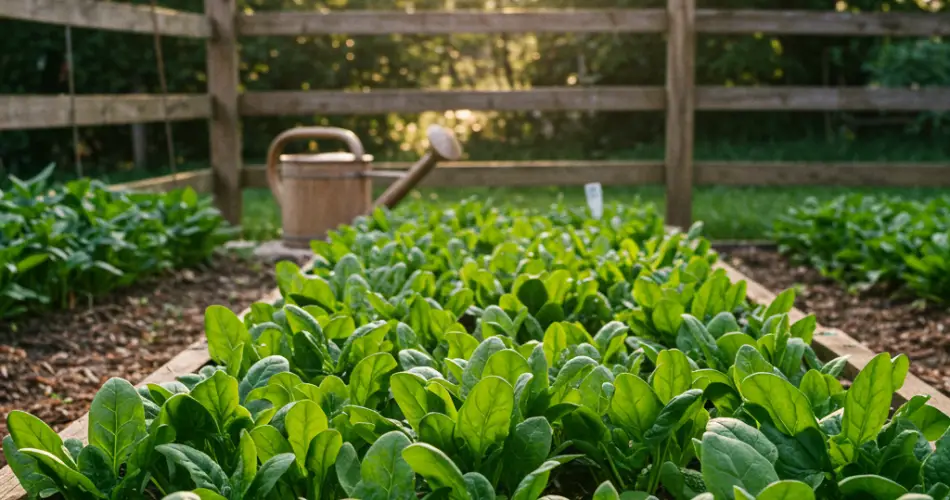
Spinach is a nutrient-packed leafy green that thrives in garden beds and containers alike. Growing your own spinach ensures you have fresh, flavorful leaves for salads, smoothies, and cooking, all while impressing neighbors with your lush, vibrant garden. Even if you’re a beginner, growing spinach successfully is simple when you follow the right steps.
This guide will help you cultivate healthy spinach plants that produce abundant harvests, making your garden stand out and leaving your neighbors eager to learn your secret.
Why Grow Spinach in Your Garden?
-
Nutritious and delicious: Spinach is rich in vitamins A, C, K, iron, and antioxidants.
-
Fast-growing: You can harvest leaves just a few weeks after sowing.
-
Versatile: Use fresh leaves in many dishes or cook them down.
-
Cool-weather crop: Grows best in spring and fall, filling gaps in your garden.
Step 1: Choose the Right Spinach Variety
There are many spinach varieties, but some are better suited to home gardens:
-
Savoy spinach: Crinkly, dark green leaves with great flavor and texture.
-
Flat-leaf spinach: Easier to clean and commonly used for baby greens.
-
Semi-savoy: A middle ground with some leaf texture and smoothness.
-
Consider varieties like ‘Bloomsdale,’ ‘Space,’ or ‘Baby’s Leaf’ for high yield and disease resistance.
Step 2: Select the Ideal Planting Site
Spinach prefers:
-
Cool weather and temperatures between 50°F and 70°F (10°C-21°C).
-
Partial to full sun exposure; about 4-6 hours of sunlight daily is perfect.
-
Well-draining soil rich in organic matter.
-
Avoid planting in areas with heavy clay or waterlogged soil.
Step 3: Prepare Your Soil
-
Loosen the soil to a depth of 8-10 inches.
-
Incorporate compost or well-rotted manure to boost fertility.
-
Spinach prefers slightly acidic to neutral soil pH (6.0-7.0).
-
Remove weeds and debris that may compete for nutrients.
Step 4: Sow Spinach Seeds
-
Sow seeds directly into the garden bed or container.
-
Plant seeds about ½ inch deep, spacing them 1-2 inches apart.
-
For continuous harvest, sow seeds every 2-3 weeks during the growing season.
-
Keep soil consistently moist for fast germination, which typically occurs within 7-14 days.
Step 5: Watering and Mulching
-
Spinach requires consistent moisture to grow tender leaves.
-
Water deeply when the top inch of soil feels dry, but avoid waterlogging.
-
Mulch around plants with straw, shredded leaves, or grass clippings to retain soil moisture and suppress weeds.
Step 6: Fertilize for Healthy Growth
-
Apply a balanced fertilizer or nitrogen-rich feed to encourage leafy growth.
-
Organic options like fish emulsion or seaweed extracts work well.
-
Feed spinach every 3-4 weeks or follow soil test recommendations.
-
Avoid excessive nitrogen which can cause leaf tenderness but may reduce flavor.
Step 7: Thin Seedlings and Provide Space
-
When seedlings develop their first true leaves, thin them to about 4-6 inches apart.
-
Thinning ensures air circulation and prevents overcrowding.
-
Crowded plants can encourage disease and reduce overall yield.
Step 8: Pest and Disease Management
-
Common pests include aphids, leaf miners, and slugs.
-
Handpick pests or use insecticidal soap if infestations are severe.
-
Encourage beneficial insects like ladybugs to keep pests in check.
-
Prevent fungal diseases by watering at the base of plants and providing good airflow.
-
Practice crop rotation to reduce soil-borne diseases.
Step 9: Harvesting Your Spinach
-
Baby spinach leaves can be harvested when 3-4 inches long, usually 3-4 weeks after sowing.
-
For mature leaves, wait until plants reach 6-8 inches.
-
Harvest by cutting outer leaves first, allowing the inner leaves to continue growing.
-
Alternatively, harvest the whole plant by cutting at the base before flowering.
-
Regular harvesting encourages new growth and prolongs your spinach crop.
Step 10: Extend Your Spinach Harvest
-
Spinach is a cool-weather crop but can bolt (go to seed) in hot weather.
-
Plant in early spring and again in late summer for fall harvest.
-
Use shade cloths during hot spells to delay bolting.
-
Consider growing heat-tolerant spinach varieties for warmer climates.
Bonus Tips for a Thriving Spinach Garden
-
Mix spinach with other cool-season greens like arugula or kale for variety.
-
Use containers or raised beds if garden space is limited.
-
Keep an eye out for yellowing leaves, which can indicate nutrient deficiencies or overwatering.
-
Harvest early in the morning for the freshest, most tender leaves.
-
Save seeds from heirloom varieties to grow year after year.
Conclusion
Growing spinach in your garden is a rewarding way to enjoy fresh, healthy greens while making your outdoor space vibrant and productive. By choosing the right varieties, providing optimal growing conditions, and practicing good garden care, you can produce bountiful spinach harvests that will definitely make your neighbors envious.
Start your spinach garden today and savor the delicious taste and health benefits of homegrown greens. With a little care and attention, your garden will flourish, and your neighbors might just ask for a taste!


