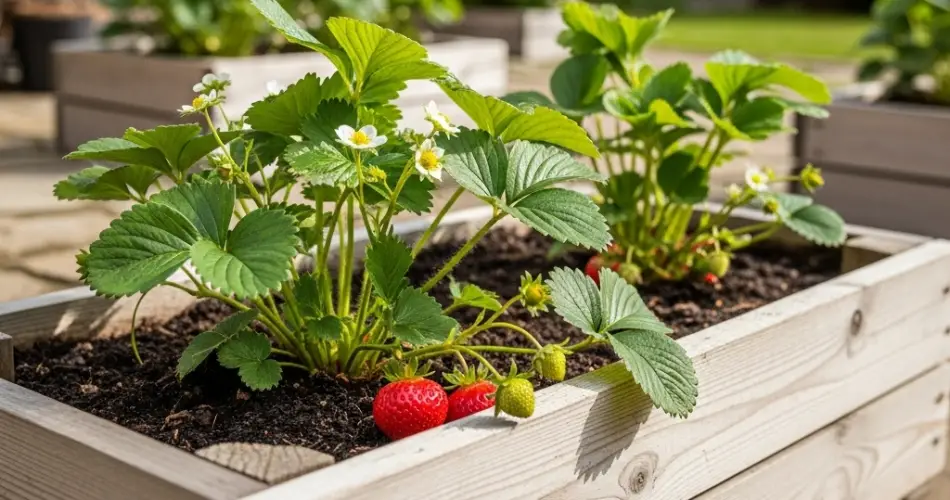
Strawberries are one of the most rewarding fruits to grow at home. Their sweet, juicy flavor makes them a favorite for desserts, smoothies, and fresh eating. For gardeners with limited space, wooden container gardening offers an excellent solution. Not only do wooden boxes provide the right growing conditions for strawberries, but they also add a rustic charm to patios, balconies, and small gardens. This guide will walk you through the steps to grow healthy, productive strawberry plants in wooden containers.
Choosing the Right Wooden Container
Selecting an appropriate container is crucial for successful strawberry cultivation. Strawberries have shallow root systems but need sufficient space for runners to spread. A wooden box at least 8–12 inches deep and 12–18 inches wide is ideal for a small group of plants. Ensure the container has drainage holes to prevent waterlogging, which can cause root rot. Untreated wood, such as cedar or redwood, is preferred because it resists decay naturally and is safe for edible plants. Treated wood should be labeled food-safe. Wooden containers also enhance the aesthetic appeal of your garden, adding a rustic touch.
Preparing the Soil
Strawberries thrive in fertile, well-draining soil with a slightly acidic pH of 5.5–6.8. To prepare the wooden box, mix garden soil with organic compost and a small amount of sand or perlite. Compost enriches the soil with nutrients and retains moisture, while sand or perlite improves drainage. Fill the container about an inch below the rim to leave space for watering. Adding a balanced, slow-release organic fertilizer at the time of planting helps strawberries establish strong roots and supports fruit development.
Selecting Strawberry Varieties
Choose strawberry varieties suited for container gardening. June-bearing varieties produce a large harvest in one season, while everbearing and day-neutral varieties offer smaller harvests over a longer period. Compact varieties, such as ‘Alpine,’ ‘Tristar,’ or ‘Eversweet,’ are ideal for wooden containers and provide continuous yields. Selecting the right variety ensures optimal growth, fruit quality, and consistent harvests.
Planting Strawberries
Strawberries can be grown from seedlings, bare-root plants, or small potted plants. Plant them so that the crown—the point where leaves emerge—is just above the soil surface. Space plants 6–12 inches apart to allow runners to spread and ensure good air circulation. Water thoroughly after planting to help the roots settle and establish themselves. Avoid burying the crown, as this can lead to rot and poor growth.
Watering and Fertilizing
Strawberries require consistent moisture, especially during flowering and fruiting. Water the wooden container whenever the top inch of soil feels dry, making sure water drains freely. Mulching with straw, shredded leaves, or pine needles helps retain soil moisture, suppress weeds, and keep fruit clean. Fertilize every 3–4 weeks with a balanced organic fertilizer or compost tea to promote healthy leaf and fruit development. Avoid over-fertilizing with nitrogen, which can encourage leafy growth at the expense of fruit production.
Sunlight Requirements
Strawberries thrive in full sun, needing at least 6–8 hours of direct sunlight daily. Place your wooden container in a bright location on a balcony, patio, or garden. Adequate sunlight ensures strong plant growth, vibrant flowers, and sweet, juicy fruit. If natural sunlight is limited, consider supplemental grow lights to maintain optimal growth.
Managing Pests and Diseases
Strawberries are susceptible to pests such as aphids, slugs, spider mites, and birds. Inspect plants regularly and remove any damaged leaves or fruit. Organic remedies, such as neem oil, insecticidal soap, or physical barriers like netting, can protect your plants. Proper spacing and good air circulation help prevent fungal diseases such as powdery mildew or gray mold.
Harvesting Strawberries
Strawberries are ready to harvest when the fruit is fully colored, firm, and fragrant. Pick the berries gently by pinching the stem above the berry to avoid damaging the plant. Frequent harvesting encourages continuous production and ensures the best flavor. Remove any overripe or damaged fruit promptly to prevent decay.
Benefits of Wooden Container Strawberry Gardening
Growing strawberries in wooden containers maximizes limited space, provides control over soil quality, and protects plants from soil-borne diseases. Containers also allow easier harvesting, reduce the risk of pests, and add a decorative element to patios and balconies. With proper care, wooden box gardening makes it possible to enjoy fresh, sweet strawberries throughout the growing season.
By choosing the right container, preparing nutrient-rich soil, selecting suitable varieties, and providing consistent care, gardeners can enjoy a bountiful strawberry harvest even in small spaces. Wooden container gardening combines practicality, aesthetics, and sustainability, making it a rewarding way to grow fresh, flavorful strawberries at home.


