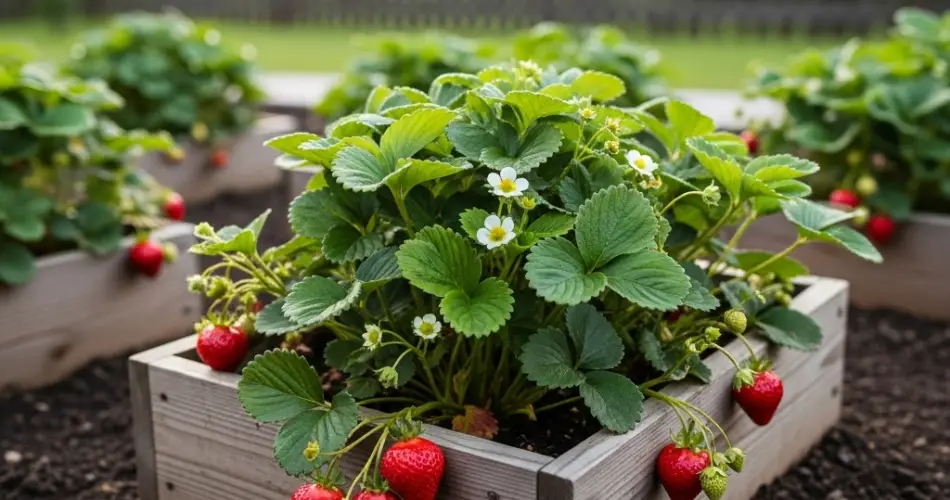
Few fruits symbolize summer as beautifully as strawberries. Their bright red color, juicy sweetness, and delightful aroma make them a favorite treat around the world. Growing strawberries at home is not only rewarding but also surprisingly simple—even if you don’t have a large backyard. With the help of rustic wooden boxes, you can create a charming garden setup that yields fresh, sweet strawberries right at your doorstep.
Wooden box gardening allows you to cultivate strawberries in small spaces, from patios and balconies to compact yards. By following a few basic steps, you can enjoy a steady harvest of this beloved fruit.
Why Grow Strawberries in Wooden Boxes?
Wooden containers offer several advantages when it comes to growing strawberries. First, they provide excellent control over soil conditions, which is important since strawberries thrive in nutrient-rich, well-draining soil. Containers also elevate the plants, protecting them from ground pests like slugs and snails, which often damage fruit when grown directly in the soil.
Another benefit is aesthetics. Wooden boxes lend a rustic, natural charm to your garden space. Whether you prefer a simple crate, a tiered planter, or even a repurposed wooden drawer, these containers transform ordinary growing areas into attractive displays.
Finally, wooden box gardening helps manage plant spacing and allows for easy relocation. You can place your strawberry box in the sunniest spot and, if needed, move it as the season changes.
Step 1: Choosing the Right Wooden Box
Strawberries don’t have deep roots, so a container about 8–10 inches deep is sufficient. The width and length can vary depending on how many plants you’d like to grow, but aim for at least 12–18 inches of surface space to give the plants room to spread.
Make sure your wooden box has drainage holes at the bottom to prevent waterlogging, as strawberries dislike soggy soil. Untreated cedar or pine works well for containers, as these woods resist decay naturally and are safe for edible plants. Avoid chemically treated wood, which may release harmful substances into the soil.
Step 2: Preparing the Soil
Strawberries prefer fertile, well-drained soil with a slightly acidic to neutral pH (around 5.5 to 7.0). A good container mix includes:
-
2 parts potting soil
-
1 part compost or well-rotted manure for nutrients
-
1 part perlite or coarse sand for aeration and drainage
Mix thoroughly before filling your box. Adding a handful of slow-release organic fertilizer at the start provides your plants with the nutrients they need for healthy growth and sweet fruiting.
Step 3: Planting Strawberries
You can grow strawberries from bare-root plants, runners, or small nursery seedlings. For wooden box gardening, compact or trailing varieties are excellent choices since they adapt well to confined spaces.
When planting:
-
Space plants about 10–12 inches apart.
-
Ensure the crown (the central growing point of the plant) is level with the soil surface. Planting too deep may cause rot, while planting too shallow can dry out the roots.
-
Water thoroughly after planting to help the roots settle.
Step 4: Sunlight and Watering Needs
Strawberries require plenty of sunlight to produce sweet, juicy fruit. Position your wooden box in a location that receives at least 6–8 hours of direct sunlight daily.
Watering should be consistent, keeping the soil evenly moist but not waterlogged. Because containers dry out faster than ground soil, check daily, especially during hot weather. Water at the base of the plants to avoid wetting the leaves, which helps reduce the risk of fungal diseases.
Step 5: Care and Maintenance
Mulching is especially beneficial for strawberries grown in wooden boxes. A layer of straw, dried leaves, or pine needles on top of the soil keeps moisture in, reduces weeds, and prevents fruit from touching the soil, which can cause rotting.
Fertilize every 3–4 weeks with a balanced liquid fertilizer, especially once flowering begins. Avoid excessive nitrogen, as it encourages leafy growth at the expense of fruit production.
Remove runners (long shoots that spread to form new plants) if you want to focus on producing larger, better-quality fruit. However, if you’d like to propagate new strawberry plants, allow some runners to root in small pots, then transfer them to new wooden boxes later.
Step 6: Harvesting Strawberries
Strawberries are typically ready to harvest 4–6 weeks after flowering. Pick them when they are fully red, firm, and fragrant. Unlike some fruits, strawberries do not ripen after being picked, so wait until they reach peak color before harvesting.
Harvesting regularly encourages plants to produce more fruit. Gently twist the berries off the stem rather than pulling to avoid damaging the plant.
Step 7: Extending the Harvest
To enjoy strawberries over a longer season, consider planting both June-bearing and everbearing varieties. June-bearing plants produce a large harvest once a year, while everbearing types yield smaller harvests throughout the growing season. Mixing the two types ensures you always have fresh berries to enjoy.
Benefits of Wooden Box Strawberry Gardens
-
Compact and versatile: Perfect for balconies, patios, and small yards.
-
Pest protection: Reduced risk of ground pests and soil-borne diseases.
-
Easy maintenance: Simple to water, fertilize, and monitor.
-
Beautiful displays: Rustic containers add charm while providing delicious results.
-
Fresh rewards: Pick strawberries at their peak ripeness for the sweetest flavor.
Final Thoughts
Growing strawberries in rustic wooden boxes combines beauty and practicality, making it possible to enjoy sweet, homegrown fruit even in small spaces. With the right container, soil, and care, your plants will reward you with abundant harvests.
Whether you grow them for fresh snacking, desserts, or homemade jams, strawberries are a delightful addition to any home garden. By cultivating them in wooden containers, you can enjoy the satisfaction of harvesting vibrant, juicy berries while creating a charming garden feature that enhances your outdoor space.


