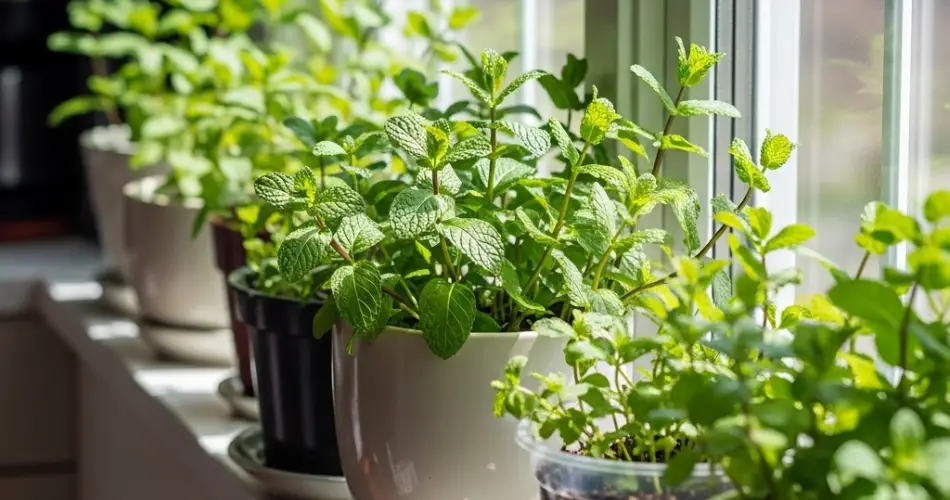
Mint is a refreshing, aromatic herb known for its invigorating scent and versatility in both culinary and medicinal uses. Whether you enjoy it in teas, desserts, sauces, or as a natural air freshener, having fresh mint on hand is a rewarding addition to any home. Fortunately, mint is also one of the easiest herbs to grow, and it thrives exceptionally well in pots.
Container growing not only controls mint’s rapid spread but also makes it suitable for small spaces like balconies, patios, and windowsills. With a little sunlight, proper care, and the right setup, you can enjoy a lush, fragrant mint plant right at your doorstep or kitchen window.
Why Grow Mint in Pots?
Mint is a fast-growing perennial that tends to spread aggressively when planted in garden beds. Growing it in containers prevents it from taking over your garden and allows you to control its growth. Potted mint is also easier to move around for optimal sunlight and protection from harsh weather.
In addition to being space-saving and manageable, container-grown mint is low-maintenance and makes harvesting simple and convenient.
Choosing the Right Pot for Mint
Mint thrives in a variety of containers as long as they meet a few basic requirements:
-
Size: Choose a pot that’s at least 10–12 inches wide and 8–10 inches deep. Mint has a spreading root system and needs room to grow.
-
Material: Plastic, clay, ceramic, or fabric grow bags all work well. Just make sure the pot has drainage holes.
-
Drainage: Proper drainage is essential to prevent waterlogged soil, which can lead to root rot. Elevate the pot slightly if necessary to ensure water drains freely.
You can grow mint in individual pots or combine it with other herbs in a larger container, but it’s best to give mint its own space due to its invasive nature.
Best Soil for Growing Mint
Mint prefers rich, well-draining soil with a slightly acidic to neutral pH (6.0–7.0). Use a high-quality potting mix enriched with compost or organic matter.
To improve drainage, consider mixing in a bit of perlite or coarse sand. Avoid using heavy garden soil in containers, as it may retain too much moisture and compact over time.
Planting Mint: Seeds, Cuttings, or Seedlings
From seeds:
Mint can be started from seeds, but germination can be slow and inconsistent. If you choose to use seeds, sprinkle them on the surface of the soil and cover lightly with a thin layer of soil. Mist with water and keep the soil consistently moist until seedlings emerge, which may take 10–15 days.
From cuttings or seedlings:
Growing mint from cuttings or nursery seedlings is much faster and more reliable. Simply plant the cutting or seedling in the center of the pot, pat the soil gently around the roots, and water thoroughly.
Cuttings root easily in water, so you can also start a new mint plant by placing a stem in a glass of water until roots develop, then transplanting it into the pot.
Light and Temperature Needs
Mint thrives in full sun to partial shade. Place your pot where it gets at least 4–6 hours of sunlight daily. If you live in a hot climate, some afternoon shade can prevent leaf scorching.
Mint prefers mild to warm temperatures and does well both indoors and outdoors. If growing indoors, place the pot near a bright window. In colder seasons, you can bring the pot indoors to keep the plant growing year-round.
Watering and Fertilizing
Mint loves consistently moist soil, especially in warm weather. Check the top inch of soil regularly—if it feels dry, it’s time to water. Be careful not to let the soil completely dry out or become soggy.
To maintain healthy growth, feed mint every 3–4 weeks during the growing season with a diluted liquid organic fertilizer or compost tea. Avoid over-fertilizing, as this can cause excessive growth and weaken flavor.
Pruning and Harvesting
Frequent pruning encourages bushy, healthy growth. Once the plant reaches about 6 inches tall, you can begin harvesting. Use clean scissors or pinch off the tips of the stems just above a set of leaves.
Harvest regularly to prevent the plant from becoming leggy or flowering too early. Remove any flower buds that appear, as flowering can reduce the leaf flavor.
At the end of the season, you can trim the plant back to a few inches to encourage fresh new growth.
Overwintering Mint
If you live in a region with cold winters, mint will naturally go dormant. Before the first frost, bring outdoor pots indoors or cut the plant back and place the pot in a sheltered area. Keep the soil lightly moist during dormancy, and the plant will return in spring.
Pest and Disease Management
Mint is relatively pest-resistant, but keep an eye out for:
To prevent problems, ensure good air circulation, avoid overhead watering, and use insecticidal soap or neem oil if pests appear.
Creative Uses for Potted Mint
-
Add fresh leaves to tea, smoothies, and lemonade
-
Use chopped mint in salads, sauces, or marinades
-
Infuse mint into oils, syrups, or vinegar
-
Dry the leaves for homemade herbal tea
-
Use as a fragrant indoor plant to freshen your kitchen or bathroom
Conclusion
Growing mint in pots is a smart, easy, and satisfying way to enjoy this refreshing herb all year long. Its fast growth, minimal maintenance, and versatility in the kitchen make it an ideal choice for container gardening. With the right pot, soil, and care, you’ll have a thriving mint plant that adds flavor, fragrance, and beauty to your home or garden space.