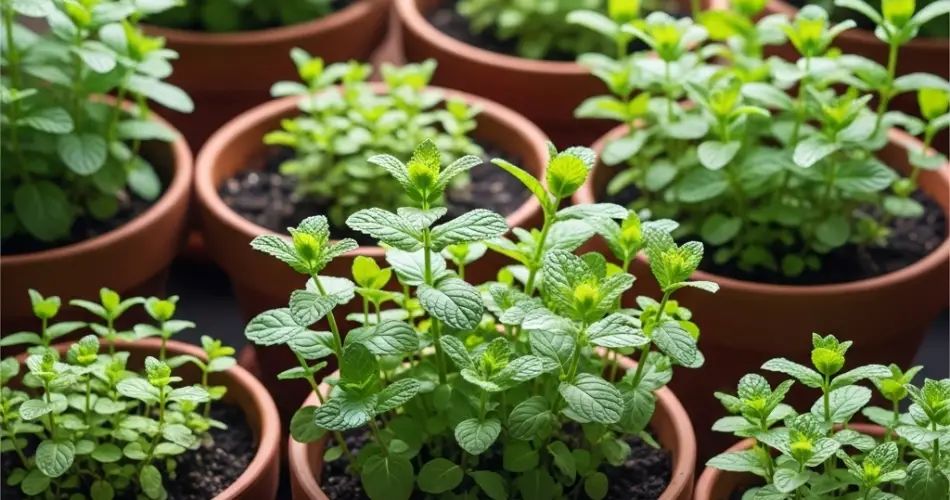
Mint is one of the most popular and versatile herbs you can grow at home. Its refreshing aroma and cooling flavor make it a favorite for teas, desserts, sauces, and even natural remedies. The best part? Mint thrives in containers and is incredibly easy to care for, making it a perfect choice for beginners and experienced gardeners alike.
Growing mint in a container not only helps manage its vigorous growth but also allows you to keep fresh sprigs within arm’s reach—right on your balcony, windowsill, patio, or kitchen counter. This guide will walk you through everything you need to know to grow a healthy, aromatic mint plant in a container garden.
Why Grow Mint in Containers?
Mint is a fast-growing perennial herb that spreads quickly when planted in open soil. While this makes it great for ground cover, it can easily take over your garden if not contained. Growing mint in pots helps control its spread while still allowing the plant to thrive.
Container gardening also offers flexibility. You can move your mint plant around to follow the sun, bring it indoors during cold weather, or group it with other herbs for a compact kitchen garden.
Choosing the Right Container
Mint has a shallow but spreading root system, so the ideal container is wide rather than deep. Choose a pot that’s at least 10 to 12 inches in diameter and 8 inches deep. Make sure the container has drainage holes at the bottom to prevent soggy roots, which can lead to root rot.
You can use plastic, ceramic, clay, or even upcycled containers like buckets or old kitchenware—as long as they drain well.
Best Soil for Mint
Mint prefers rich, well-draining soil with good moisture retention. A standard potting mix with added compost works well. You can also mix in a bit of perlite or coarse sand to improve drainage while keeping the soil light and airy.
Avoid heavy garden soil or clay-based mixtures that can compact easily and suffocate the roots.
Planting Mint
You can grow mint from seeds, cuttings, or starter plants. While seeds are an option, they may take longer and produce variable results. Growing from cuttings or young plants is quicker and more reliable.
Planting from a starter plant or cutting:
-
Fill the container with your potting mix, leaving about an inch of space at the top.
-
Gently remove the mint plant from its nursery pot and place it in the center of the container.
-
Cover the roots with soil and firm it gently around the base.
-
Water thoroughly after planting.
Light and Water Requirements
Sunlight:
Mint grows best in partial to full sunlight. Ideally, give it 4 to 6 hours of sunlight daily. If you’re growing it indoors, place the container near a bright window. In hot climates, provide some afternoon shade to prevent leaf scorching.
Watering:
Mint likes moist soil, but not soggy conditions. Water regularly to keep the soil consistently damp, especially during hot or dry periods. Always check that excess water can drain out of the pot.
Ongoing Care and Maintenance
-
Pruning:
Regularly pinch back the tips of your mint plant to encourage bushier growth. This helps prevent legginess and keeps the plant productive. -
Fertilizing:
Mint is not a heavy feeder, but you can give it a light dose of balanced liquid fertilizer or compost tea every 4 to 6 weeks to support healthy growth. -
Repotting:
As mint grows, it may become root-bound. If growth slows down or the roots begin circling the container, it’s time to repot into a larger container or divide the plant into smaller pots. -
Pests:
Mint is generally pest-resistant, but it can occasionally attract aphids, spider mites, or whiteflies. Use a gentle spray of water or neem oil to control infestations if needed.
Harvesting Mint
You can begin harvesting mint once the plant reaches 4 to 6 inches in height. Use clean scissors or your fingers to snip off leaves or stems just above a leaf node.
Harvesting regularly encourages the plant to produce more foliage. Avoid taking more than one-third of the plant at a time so it remains healthy and continues to grow.
To preserve mint, you can dry it in a cool, shaded area, freeze it in ice cube trays with water, or store fresh sprigs in the refrigerator for a few days.
Benefits of a Container Mint Garden
-
Control growth and spread
-
Easy to move indoors or out
-
Ideal for small spaces
-
Fresh mint always available
-
Low-maintenance and beginner-friendly
Final Thoughts
Growing mint in containers is a simple and satisfying way to enjoy one of nature’s most fragrant and useful herbs. With just a small pot, quality soil, and a bit of sunshine, you can cultivate a lush mint plant that provides fresh leaves for teas, garnishes, and home remedies all season long.
Whether placed on a sunny kitchen windowsill or a shaded patio corner, your container mint garden will reward you with both beauty and flavor—and best of all, it’s easy to manage even in the smallest of spaces.


