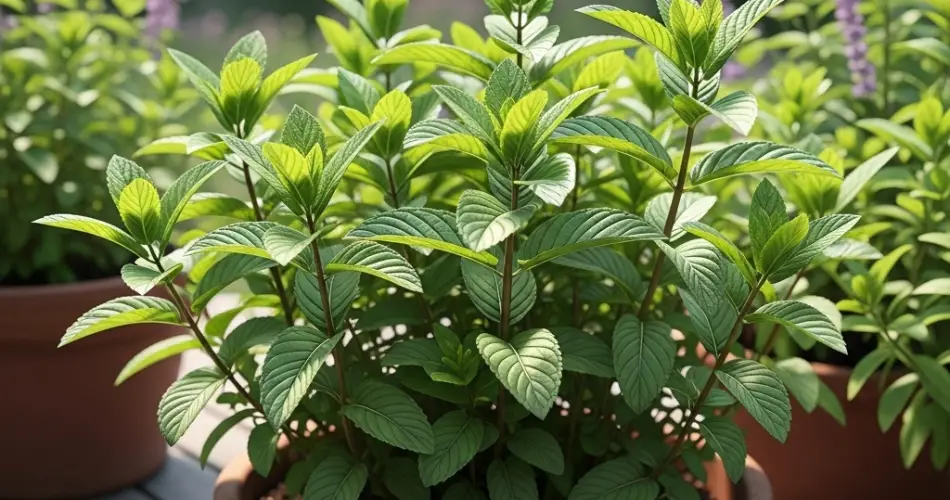
Mint is a vigorous, aromatic herb prized for its refreshing flavor and soothing properties. From tea infusions to desserts and savory dishes, mint is a kitchen staple that’s incredibly easy to grow. However, it has a reputation for being invasive when planted directly in the ground. Its roots, known as runners, can quickly spread and overtake garden beds.
The best way to enjoy the benefits of fresh mint without worrying about its aggressive growth is by cultivating it in containers. Growing mint in pots or other confined spaces gives you control over its spread, simplifies maintenance, and makes it easy to place the plant wherever you want—on a balcony, kitchen windowsill, or garden pathway.
Here’s a complete guide to growing mint in containers, ensuring a lush, flavorful harvest without the hassle of garden takeover.
Why Grow Mint in Containers?
Mint spreads rapidly through underground stems and can crowd out other plants if left unmanaged in a garden bed. By growing mint in containers, you:
-
Prevent it from invading other areas of your garden
-
Keep the plant manageable and contained
-
Easily move the container for optimal sunlight
-
Grow mint in small spaces like balconies or patios
-
Reduce weeding and control moisture levels more effectively
With the right container and care, potted mint can thrive year-round and supply you with fresh leaves for culinary or medicinal use.
Choosing the Right Container
To grow mint successfully in a pot, the container must support its spreading root system while providing proper drainage.
Container size:
Choose a pot that is at least 12 inches (30 cm) wide and 8–10 inches (20–25 cm) deep. Mint likes room to spread out, and a larger container helps prevent the roots from becoming crowded too quickly.
Material:
Plastic, ceramic, terracotta, and fabric grow bags are all suitable. Just ensure the pot is sturdy and won’t tip over as the plant gets fuller.
Drainage:
Mint prefers moist but not soggy soil. Make sure the pot has multiple drainage holes at the base. You can also elevate the container slightly to encourage excess water to flow out.
Soil and Planting Requirements
Mint thrives in nutrient-rich, well-draining soil with a slightly acidic to neutral pH (6.0–7.0). Use a high-quality potting mix that includes organic compost. Avoid garden soil, which may compact and retain too much moisture in pots.
You can plant mint using:
-
Seeds: Start seeds by sprinkling them on the soil surface and covering them lightly. Keep the soil moist, and expect germination in about 10–15 days.
-
Seedlings: Transplant nursery plants directly into the pot, loosening the roots before placing them in the soil.
-
Cuttings: Take a 4–6 inch stem cutting, remove the lower leaves, and root it in water. Once roots appear, transplant it into the container.
Space one plant per pot, as mint grows vigorously and quickly fills available space.
Sunlight and Location
Mint grows best in full sun to partial shade. It needs about 4–6 hours of sunlight per day. In very hot climates, providing some afternoon shade will prevent the leaves from scorching.
Place your mint container on a balcony, patio, or near a bright window indoors. If growing indoors, rotate the pot every few days to ensure even exposure and growth.
Watering and Fertilization
Mint enjoys consistently moist soil but not standing water. Water whenever the top inch of soil feels dry. In hot weather, you may need to water more frequently, especially if the pot is small or exposed to full sun.
For best growth:
-
Water at the base to keep foliage dry and reduce the risk of mildew.
-
Fertilize lightly every 4–6 weeks during the growing season using a diluted liquid fertilizer or compost tea.
-
Avoid over-fertilizing, which can lead to leggy growth and weaker flavor.
Maintenance and Pruning
Mint benefits from regular pruning. Frequent cutting encourages the plant to become bushy and produce more flavorful leaves.
-
Start pruning once the plant reaches 6 inches in height.
-
Use clean scissors to snip leaves or stems just above a leaf node.
-
Remove any flower buds immediately to extend the leaf-growing season.
-
If the plant becomes woody or leggy, cut it back to a few inches to encourage fresh new shoots.
Overwintering Potted Mint
In cooler climates, mint can go dormant during winter. You can:
-
Bring the pot indoors and place it in a bright location.
-
Let the plant go dormant outdoors by cutting it back and placing the container in a sheltered area.
In spring, new growth will appear, and the mint will bounce back with proper care.
Common Issues and Solutions
-
Leggy growth: Usually caused by low light or lack of pruning. Move the pot to a sunnier location and trim regularly.
-
Pests: Watch for aphids, whiteflies, or spider mites. Use insecticidal soap or rinse the leaves with water to remove them.
-
Powdery mildew: Avoid wetting the foliage and improve airflow. Space containers apart and water early in the day.
Creative Container Ideas
-
Use upcycled materials like metal cans, wooden boxes, or plastic bottles with drainage holes.
-
Create a vertical mint garden by hanging multiple pots on a trellis or wall.
-
Label each container with chalkboard paint or tags for a decorative, organized look.
Conclusion
Container gardening is the most effective and convenient way to grow mint without letting it take over your yard. With just a pot, rich soil, sunlight, and a little care, you can enjoy a fresh supply of this versatile herb all year long. Whether it’s for tea, garnishes, or aromatherapy, mint grown in containers brings both flavor and beauty to your space—without the worry of invasion.


