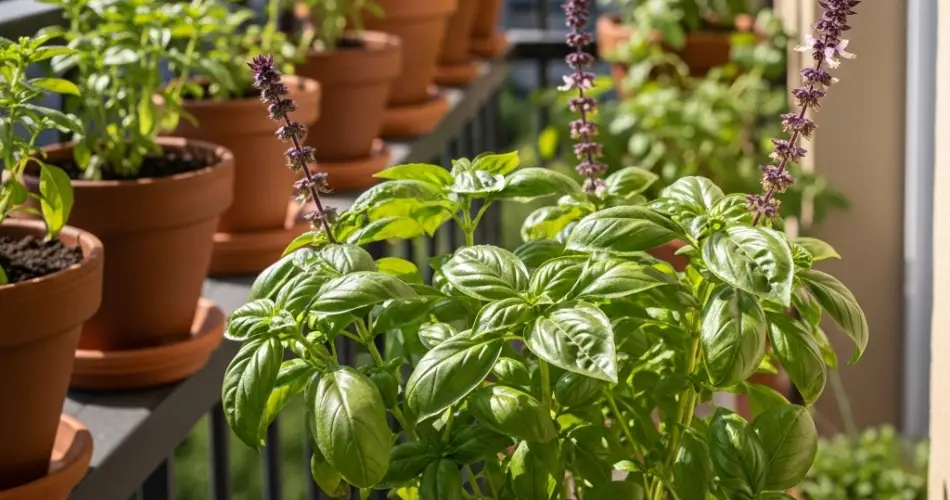
Basil is one of the most beloved herbs for home cooks and gardeners alike. With its fragrant leaves and rich flavor, basil is a staple in everything from pasta sauces and pesto to soups and salads. For those new to gardening or with limited space, growing basil in pots is an excellent way to start your herb-growing journey.
This beginner-friendly guide walks you through everything you need to know about cultivating basil in pots—right from choosing the right container to harvesting your own fresh leaves. Whether you live in an apartment, a condo, or a house with limited outdoor space, a pot of basil can thrive on your windowsill, balcony, or patio.
Why Grow Basil in Pots?
Basil is well-suited for container gardening. Its shallow root system means it doesn’t require a large or deep planter, and its fast growth means you can begin harvesting within weeks of planting. Growing basil in pots also gives you better control over soil quality, drainage, and sunlight exposure.
Additionally, container gardening is flexible. You can move your basil around to ensure it gets enough sunlight or bring it indoors if the weather turns too cold.
Choosing the Right Container
Basil doesn’t need a large pot to thrive, but it does require proper drainage. Select a container that is at least 6 to 8 inches deep and has drainage holes at the bottom. You can use traditional pots made of plastic, ceramic, or terracotta—or even repurposed containers like food-grade buckets or recycled tubs.
If you plan to grow more than one basil plant, choose a larger pot or use several small ones.
Selecting the Soil
Use a light, well-draining potting mix rich in organic matter. A standard potting soil mixed with compost or a handful of perlite or sand will help improve drainage and provide essential nutrients.
Avoid using regular garden soil, which can be too dense and may not drain well in containers, leading to root rot.
Planting Basil
You can grow basil from seeds or transplant young seedlings bought from a nursery or grown indoors.
If starting from seeds:
-
Fill the pot with your potting mix, leaving about an inch at the top.
-
Sprinkle basil seeds evenly on the soil surface.
-
Cover them with a thin layer of soil (about ¼ inch).
-
Water gently to moisten the soil.
-
Place the pot in a warm, sunny location. Seeds typically germinate within 7 to 10 days.
If using seedlings:
-
Dig a small hole in the soil of your prepared pot.
-
Gently remove the seedling from its nursery container, keeping the root ball intact.
-
Plant the seedling in the hole, firm the soil around the base, and water well.
Ideal Growing Conditions
Sunlight:
Basil needs at least 6 hours of direct sunlight daily. A sunny balcony, windowsill, or patio is ideal. If you’re growing indoors, place the pot near a south-facing window or use a grow light if needed.
Watering:
Basil prefers consistently moist but not soggy soil. Water when the top inch of soil feels dry. Be careful not to overwater, especially in containers, as this can lead to fungal diseases.
Temperature:
Basil thrives in warm temperatures. Protect your plant from chilly drafts and bring it indoors if nighttime temperatures drop below 50°F (10°C).
Fertilizing:
If your potting mix is nutrient-rich, basil may not need much fertilizing. However, you can feed it with a diluted organic fertilizer every 4 to 6 weeks to promote growth.
Caring for Your Basil
As your basil grows, it will benefit from regular pruning. Once the plant has at least six leaves, begin pinching off the top sets of leaves. This encourages branching and creates a fuller, bushier plant.
Remove any flower buds as soon as they appear to keep the plant focused on producing leaves. Flowering can cause the leaves to become bitter and reduce the plant’s productivity.
Harvesting
You can start harvesting basil once the plant has enough healthy leaves to support continued growth. Use clean scissors or your fingers to snip off leaves or stems, cutting just above a leaf node to encourage more growth.
Always leave at least one-third of the plant intact when harvesting to ensure it continues to thrive.
Common Issues and Troubleshooting
-
Yellowing Leaves: Usually a sign of overwatering or poor drainage.
-
Leggy Growth: May indicate the plant isn’t getting enough sunlight.
-
Pests: Watch for aphids and whiteflies. These can be removed with a gentle spray of water or treated with natural insecticidal soap.
-
Flowering Too Soon: Pinch off the flower buds regularly to maintain leaf flavor and production.
Tips for Continued Success
-
Grow multiple plants so you always have basil available while allowing individual pots to recover between harvests.
-
Replant or divide the basil every few months if the plant becomes root-bound or starts losing vigor.
-
Dry or freeze harvested basil leaves to preserve their flavor for later use.
Final Thoughts
Growing basil in pots is an easy and rewarding way to bring fresh flavor and greenery into your home. With just a little sunlight, water, and care, you’ll have a steady supply of delicious basil leaves to enjoy in your favorite dishes. Container herb gardening is perfect for beginners—and once you’ve mastered basil, you’ll likely be inspired to try other herbs like parsley, mint, or thyme.
Start small, grow with confidence, and let your herb garden flourish—one pot at a time.


