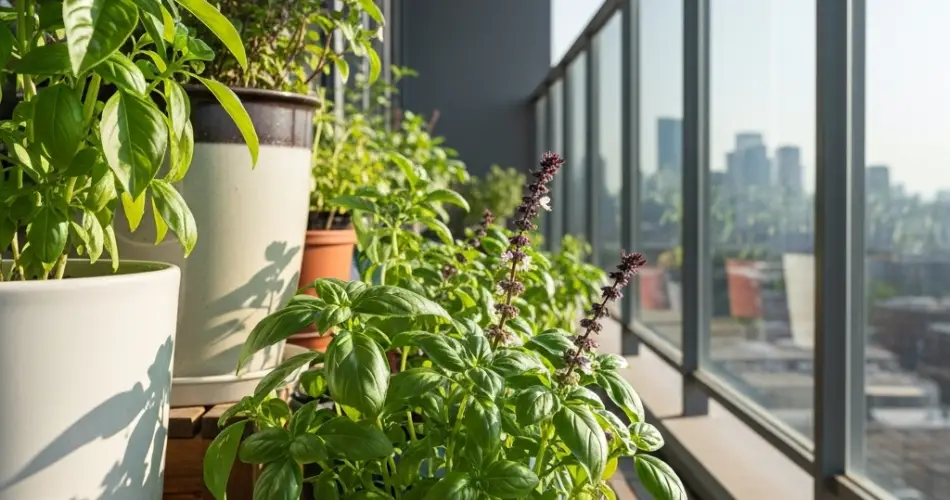
Basil is one of the most popular culinary herbs around the world, known for its vibrant aroma and fresh, sweet flavor. Whether you love it in pesto, sprinkled over pasta, or infused in oils, nothing beats harvesting fresh basil from your own garden. Fortunately, you don’t need a backyard or large plot of land to grow it—basil thrives beautifully in containers.
With the right setup and a little care, container-grown basil can be just as flavorful and productive as garden-grown varieties. Here’s a detailed guide to help you grow healthy, lush basil in pots, perfect for balconies, patios, or even sunny kitchen windows.
Why Grow Basil in Containers?
Container gardening allows you to grow basil in limited spaces while giving you better control over soil quality, drainage, and exposure to sunlight. Potted basil can easily be moved to follow the sun or be protected from extreme weather. Plus, container growing reduces the risk of soil-borne diseases and makes it easier to harvest fresh leaves right when you need them.
Choosing the Right Container
The first step to successful basil growing is selecting the right pot. Here’s what to consider:
-
Size: A pot that’s at least 6–8 inches deep and 8–12 inches wide is ideal for a single basil plant. If you plan to grow multiple plants, consider using a larger container or trough.
-
Material: Terracotta, ceramic, plastic, or fabric pots all work well. Ensure the pot has adequate drainage holes to prevent waterlogging.
-
Drainage: Always use a container with holes at the bottom. Basil hates soggy roots, and proper drainage is essential to keep the plant healthy.
You can also get creative by repurposing items like wooden boxes, buckets, or even recycled plastic bottles, as long as they provide enough space and drainage.
Best Soil for Basil in Pots
Basil prefers well-draining, nutrient-rich soil. A high-quality potting mix blended with compost is ideal. Avoid using garden soil in containers, as it may be too dense and prone to compaction.
If you’re mixing your own, try this simple formula:
-
2 parts potting soil
-
1 part compost or aged manure
-
1 part perlite or vermiculite for drainage
Make sure the soil remains loose and fluffy to support root growth and air circulation.
Planting Basil: Seeds or Seedlings
You can grow basil from seeds or purchase young seedlings from a nursery.
From seeds:
Sow seeds about 1/4 inch deep in the soil. Water gently and keep the soil consistently moist until germination, which typically takes 5–10 days. Thin the seedlings once they reach a few inches tall, leaving the strongest one per pot or spacing them 6–8 inches apart in larger containers.
From seedlings:
Transplant seedlings into your container, gently loosening the root ball and planting them at the same depth they were in their nursery pots. Water them in well after planting.
Sunlight Requirements
Basil loves warmth and sun. Place your container in a location that receives at least 6 hours of direct sunlight daily. A south-facing windowsill, balcony, or patio is perfect.
If growing indoors, consider using a grow light to supplement natural light, especially during cloudy days or winter months.
Watering Your Basil
Basil prefers consistently moist—but not wet—soil. Check the top inch of soil; if it feels dry, it’s time to water. In hot weather, you may need to water daily.
Water at the base of the plant to avoid wetting the leaves, which can invite fungal issues. Be sure the pot drains freely and never sits in standing water.
Feeding and Fertilizing
Feed your basil every 3–4 weeks with a balanced, water-soluble fertilizer or a diluted liquid compost tea. Over-fertilizing can reduce the intensity of basil’s flavor, so use a light hand.
Organic fertilizers rich in nitrogen will support leafy growth, but avoid high doses late in the season if you plan to harvest for culinary use.
Pruning and Harvesting
Regular pruning is the secret to bushy, productive basil plants. Start harvesting once the plant has at least 6–8 leaves. Use clean scissors to cut just above a pair of leaves, encouraging new growth from the sides.
Always remove flowering buds when they appear, as flowering signals the plant to stop producing leaves. Keeping the plant pruned delays flowering and maintains strong flavor.
Harvest often to promote a fuller plant and use the leaves fresh, frozen, or dried for later use.
Pest and Disease Management
Container-grown basil is less prone to pests than garden-grown plants, but keep an eye out for:
-
Aphids
-
Spider mites
-
Whiteflies
-
Fungal spots (usually from overwatering or poor airflow)
If pests appear, wash them off with a gentle stream of water or use insecticidal soap. Good air circulation and proper watering will help prevent most issues.
Conclusion
Growing basil in containers is a practical and satisfying way to enjoy this flavorful herb at home. With just a bit of sunlight, the right soil, and regular pruning, you can keep a healthy, productive basil plant within arm’s reach all season long. Whether you’re cooking Italian classics, making fresh pesto, or just adding a fragrant touch to your kitchen, your homegrown basil will be a source of freshness and flavor you’ll enjoy daily.


