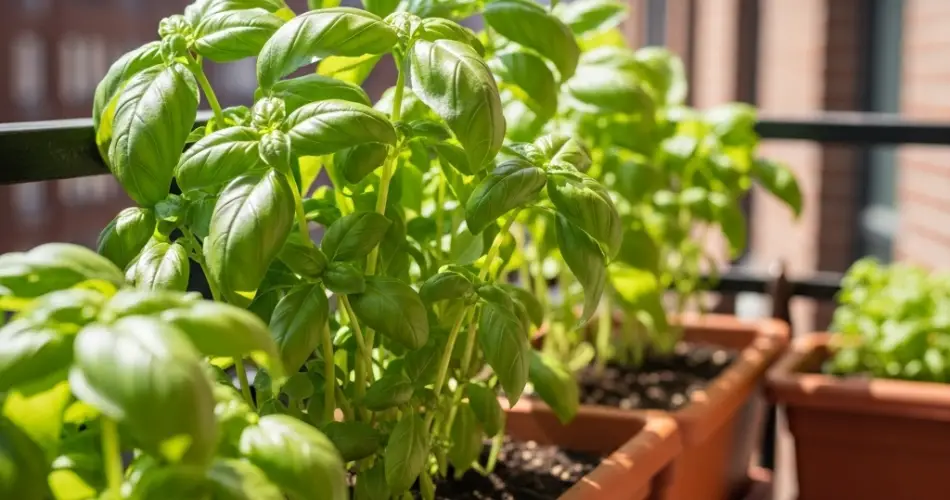
Basil is one of the most popular herbs grown at home—and for good reason. Its fragrant leaves are a key ingredient in many dishes, from Italian pasta and pizzas to Southeast Asian curries and soups. If you have a sunny balcony, you’re just a few steps away from growing fresh basil in containers, even without a backyard or garden.
Container gardening is ideal for urban dwellers, and basil is one of the best herbs to grow in pots due to its compact size, fast growth, and delicious flavor. Whether you’re a beginner or an experienced gardener, this guide will walk you through everything you need to know to cultivate healthy, vibrant basil right outside your door.
Why Basil is Perfect for Balcony Gardening
Basil (Ocimum basilicum) thrives in warm weather and enjoys full sunlight, making balconies an excellent growing spot—especially if they receive at least 5 to 6 hours of sun daily. Growing basil in containers also allows you to control soil quality and moisture levels more easily than in-ground gardening.
Plus, keeping basil close to your kitchen means you can harvest fresh leaves any time you need them.
Choosing the Right Container
Basil doesn’t have deep roots, so you don’t need a very large pot. However, a container that’s at least 6 to 8 inches deep and 8 to 12 inches wide will give the plant enough room to grow and branch out.
Make sure your container has good drainage holes at the bottom to prevent root rot. You can also place a saucer underneath the pot to catch excess water.
Materials like plastic, clay, ceramic, or recycled containers (like food-grade buckets or large yogurt tubs) all work well, as long as they allow water to drain.
Preparing the Soil
Basil prefers well-draining, nutrient-rich soil. Use a good-quality potting mix, ideally one enriched with compost or slow-release organic fertilizer. Avoid using garden soil on its own—it may be too compact and poor in drainage when used in containers.
To improve drainage, you can add a handful of perlite or coarse sand to the potting mix.
Planting Basil
You can grow basil from seeds or buy young starter plants from a nursery. Here’s how to do both:
From Seeds:
-
Fill the container with soil, leaving about an inch of space from the top.
-
Scatter seeds lightly over the soil surface.
-
Cover them with a thin layer of soil—about ¼ inch.
-
Gently water the top with a spray bottle or watering can.
-
Place the pot in a sunny location and keep the soil consistently moist until the seeds germinate, usually within 5 to 10 days.
From Seedlings:
-
Fill the container with soil and dig a small hole in the center.
-
Carefully remove the seedling from its nursery pot and plant it at the same depth.
-
Firm the soil around the base and water well.
Caring for Basil on Your Balcony
Sunlight:
Basil loves warmth and sunlight. Place your container where the plant can receive at least 5–6 hours of direct sunlight daily. South- or west-facing balconies are ideal.
Watering:
Keep the soil evenly moist but not soggy. Basil doesn’t like to dry out completely, but overwatering can lead to root problems. Water when the top inch of soil feels dry to the touch.
Fertilizing:
Feed your basil with a diluted liquid fertilizer every 3 to 4 weeks. If your potting mix contains compost or slow-release nutrients, additional feeding may not be necessary for the first couple of months.
Air Circulation:
Give your basil some breathing room. If you’re growing multiple pots, don’t crowd them too close together. Good air circulation prevents fungal issues and promotes healthier growth.
Pruning and Harvesting
Regular harvesting is key to keeping basil lush and productive. Once your plant has grown at least six sets of leaves, you can begin trimming it:
-
Use clean scissors to cut the stem just above a pair of leaves. This will encourage two new shoots to grow from that point, making the plant bushier.
-
Never harvest more than one-third of the plant at a time.
-
Remove any flower buds as soon as they appear to keep the plant focused on leaf production.
Common Problems and Solutions
-
Yellow Leaves: Often caused by overwatering or lack of nutrients.
-
Wilting Leaves: Could mean underwatering or poor drainage.
-
Pale Growth: May indicate not enough sunlight or the need for fertilizer.
-
Pests: Aphids and spider mites can appear in warm, dry conditions. A quick spray of neem oil or insecticidal soap can help control them.
Extending the Growing Season
Basil is sensitive to cold. As temperatures start to drop in the fall, consider moving your container indoors to a sunny windowsill. Basil can continue growing indoors as long as it gets enough light and warmth.
Alternatively, you can harvest the entire plant at the end of the season, dry or freeze the leaves, or make a large batch of pesto to store.
Final Thoughts
Growing basil on your balcony in containers is one of the easiest and most rewarding ways to enjoy fresh herbs at home. With minimal space and a bit of daily care, you can have an ongoing supply of flavorful leaves right outside your kitchen.
This container gardening project isn’t just practical—it’s also sustainable and satisfying. Plus, there’s nothing quite like the scent of fresh basil filling the air each time you step outside.


