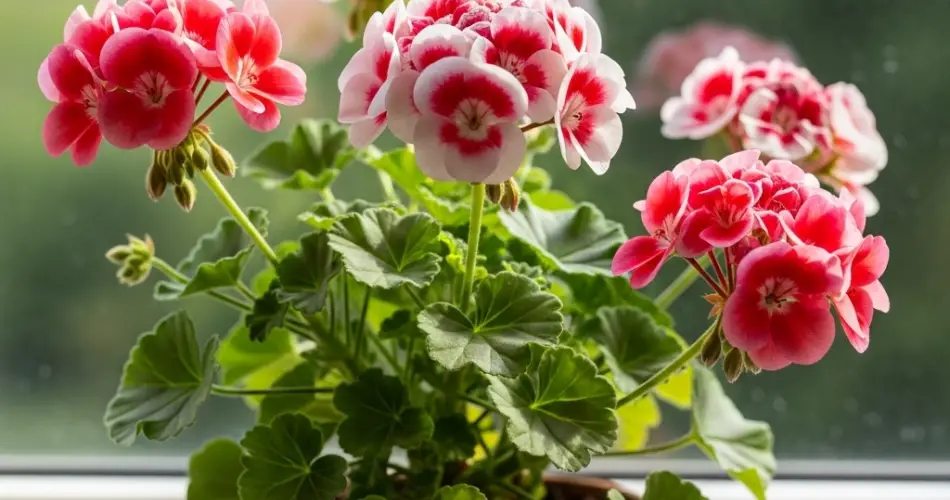
If you’ve ever struggled to keep a houseplant alive, you’re not alone. But don’t give up on gardening just yet—geraniums may be the perfect plant to change your luck. Known for their colorful blooms, aromatic leaves, and forgiving nature, geraniums are incredibly beginner-friendly and thrive with just a little attention.
Whether you’ve got a sunny balcony, a small windowsill, or a corner in your backyard, geraniums can grow beautifully in containers or garden beds. Here’s how even the most self-proclaimed “plant killer” can successfully grow geraniums and enjoy vibrant flowers season after season.
Why Choose Geraniums?
Geraniums are popular for a reason: they’re low-maintenance, fast-growing, and very adaptable. Their bright blossoms come in shades of red, pink, white, purple, and coral, making them a beautiful and reliable addition to any space. Best of all, they tolerate a bit of neglect—perfect for beginners.
There are two main types of geraniums for home growers:
-
Zonal Geraniums (Pelargonium x hortorum): The most common, with upright growth and striking leaf patterns.
-
Ivy Geraniums (Pelargonium peltatum): Great for hanging baskets, with trailing vines and delicate flowers.
Both are excellent choices for new gardeners.
Step 1: Choosing Your Geraniums
Start with healthy plants from a nursery or garden center. Look for:
-
Firm, green leaves with no yellowing
-
No signs of pests or mold
-
Compact, bushy growth
You can also start geraniums from seed or cuttings, but buying established plants is easier for beginners.
Step 2: The Right Container and Soil
Geraniums do best in containers with drainage holes. Whether you choose plastic, terracotta, or ceramic pots, make sure water can flow out easily to prevent root rot.
Use a well-draining potting mix—a general-purpose mix is fine, but you can also add perlite or coarse sand to improve drainage. Avoid dense garden soil, which retains too much moisture and can suffocate the roots.
Step 3: Light Requirements
Geraniums love the sun. They need at least 6 hours of direct sunlight daily to bloom well. A south- or west-facing windowsill, balcony, or patio is ideal.
Not enough light? Your plant may become leggy and stop flowering. In low-light environments, consider using a grow light to supplement natural sunlight.
Step 4: Watering Without Overdoing It
Here’s where many beginners go wrong: overwatering.
Geraniums prefer to dry out between waterings. Stick your finger into the soil—if the top inch feels dry, it’s time to water. When you do water, soak the soil thoroughly and allow any excess to drain out. Avoid letting the pot sit in a saucer of water.
Signs you’re overwatering:
-
Yellowing leaves
-
Mushy stems
-
Mold on the soil surface
On the flip side, underwatered plants may droop or have crispy brown leaves—but they bounce back quickly once watered.
Step 5: Feeding for Better Blooms
Feed your geraniums every 3–4 weeks during the growing season (spring through early fall) with a balanced liquid fertilizer or a bloom booster high in phosphorus. Avoid over-fertilizing, which can lead to lush leaves but few flowers.
Step 6: Pruning and Maintenance
To keep your plant looking full and flowering, deadhead spent blooms regularly. Just pinch or snip off the faded flower stalks to encourage more buds.
If your geranium gets leggy, trim back long stems to promote bushier growth. Don’t be afraid—geraniums respond well to pruning.
Step 7: Protection From Pests
Geraniums are fairly resistant, but occasionally you might see aphids, spider mites, or whiteflies. If so:
-
Spray the leaves with water to dislodge pests
-
Wipe down with a mild soapy water solution
-
Use neem oil for more persistent problems
Keep leaves clean and dry to prevent fungal issues, especially in humid climates.
Bonus Tips for Success
-
Rotate your pot every week or two so the plant grows evenly toward the light.
-
Bring indoors if temperatures drop below 50°F (10°C)—geraniums are sensitive to cold.
-
Take cuttings in late summer to grow new plants indoors over winter.
Final Thoughts
Even if you’ve never kept a plant alive before, geraniums offer a nearly foolproof way to grow beautiful flowers at home. They forgive minor mistakes, require minimal fuss, and reward you with lush foliage and cheerful blooms throughout the season.
With a bit of sun, a light touch on the watering can, and regular pruning, your geraniums will thrive—even if every plant before them hasn’t. So give it a try—you might be surprised how green your thumb really is.


