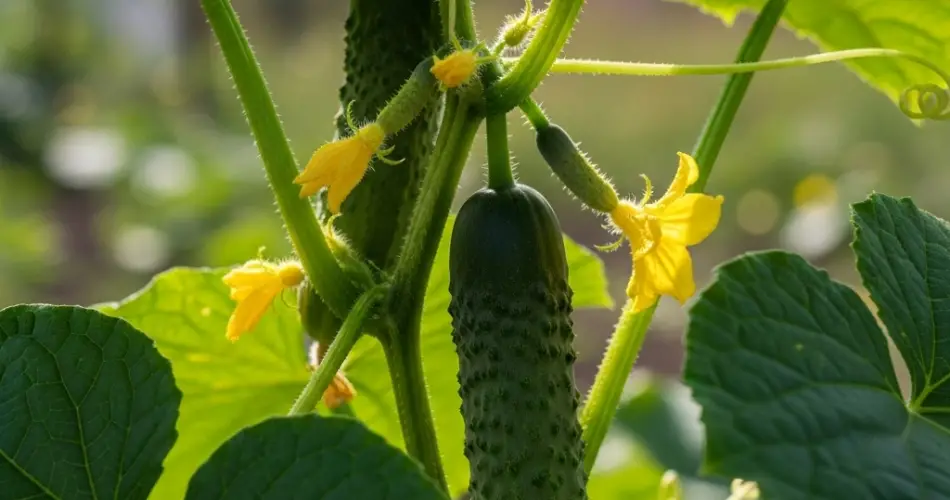
Cucumbers are a favorite among home gardeners for their refreshing crunch, fast growth, and generous yield. While traditionally considered a warm-season crop, with the right techniques and setup, you can germinate cucumbers indoors and enjoy vibrant growth — even blossoms — year-round.
Whether you want to grow cucumbers on a sunny balcony, windowsill, or in an indoor garden, this guide will walk you through everything you need to know to germinate cucumbers successfully and keep them thriving beyond the traditional growing season.
Why Start with Germination?
Germinating cucumber seeds yourself is not only cost-effective but also allows you to control the plant’s early development. Healthy seedlings lead to healthier, more productive plants. Plus, watching seeds sprout and grow can be incredibly satisfying, especially during the off-season.
Step 1: Choose the Right Variety
Not all cucumber varieties are suitable for indoor or year-round growing. Choose compact or bush varieties that are well-suited to containers and controlled environments.
Best varieties for indoor or extended-season growing include:
-
Bush Champion
-
Spacemaster 80
-
Miniature White
-
Patio Snacker
Look for seeds labeled “container-friendly” or “short-vine.”
Step 2: Pre-Soak Your Seeds
Cucumber seeds have a tough outer shell. To speed up germination, soak them in warm water for about 8 to 12 hours before planting. This softens the coating and encourages quicker sprouting.
Avoid soaking longer than 24 hours, as this can lead to seed rot.
Step 3: Prepare the Soil and Containers
Cucumbers prefer a well-draining, nutrient-rich soil. Use a high-quality seed-starting mix or a blend of:
-
Coconut coir or peat moss
-
Perlite or vermiculite
-
A touch of compost or worm castings for nutrients
Plant seeds in small containers or seed trays, about ½ inch deep. Cover lightly with soil, and gently water.
Maintain soil moisture, but avoid overwatering. A plastic dome or plastic wrap over the tray can help retain humidity during germination.
Step 4: Provide Warmth for Sprouting
Cucumber seeds germinate best at 70°F to 85°F (21°C to 29°C). If your home is cooler, use a seedling heat mat to maintain optimal temperatures.
You should see sprouts within 3 to 10 days, depending on the variety and environment.
Step 5: Light for Seedlings
Once seeds sprout, remove any covering and place the seedlings in a bright location with at least 12–14 hours of light per day. A sunny windowsill may work, but for best results, supplement with a grow light.
Keep the lights about 2–4 inches above the seedlings and raise them as the plants grow.
Insufficient light can cause leggy, weak plants.
Step 6: Transplanting to Larger Pots
When seedlings have at least two sets of true leaves, they’re ready to be transplanted. Choose containers that are at least 8–12 inches deep, with drainage holes.
Use rich potting soil and add a slow-release organic fertilizer to support growth.
Stake or trellis your cucumber plants early to encourage upright growth and save space. Even bush varieties benefit from some support.
Step 7: Encourage Blooming and Fruiting Indoors
Once your plants are well-established, they’ll begin to produce yellow blossoms — a sign of healthy growth. Indoor-grown cucumbers often require help with pollination.
To pollinate:
-
Use a small brush or cotton swab to transfer pollen from male to female flowers.
-
Do this in the morning when flowers are fresh.
Also ensure:
-
Adequate light (12+ hours daily)
-
Proper humidity (40–60%)
-
Consistent watering (keep soil moist but not soggy)
Feeding every 2–3 weeks with a diluted liquid fertilizer will support continued flowering and fruit development.
Can Cucumbers Really Bloom All Year?
Yes, with the right conditions! Indoor environments with consistent light, temperature, and care can sustain cucumber plants beyond the normal outdoor season. While cucumbers naturally take a break in winter, grow lights and a warm space can simulate summer and encourage continuous growth and flowering.
You may not get heavy yields year-round, but it’s absolutely possible to maintain a blooming cucumber plant indoors with strategic planning.
Common Problems and Solutions
-
Yellowing leaves: Usually a sign of nutrient deficiency or overwatering.
-
Powdery mildew: Increase airflow and reduce leaf wetness.
-
No blooms: Ensure the plant receives enough light and avoid over-fertilizing with nitrogen.
Final Thoughts
Cucumber germination is simple and rewarding—even for those with limited space or no outdoor garden. With a bit of warmth, the right light, and consistent care, you can enjoy not just germination, but vigorous growth and vibrant blooms all year long.
Starting with healthy seeds and following through with good indoor growing practices can bring the fresh taste of cucumbers to your home anytime, anywhere.


