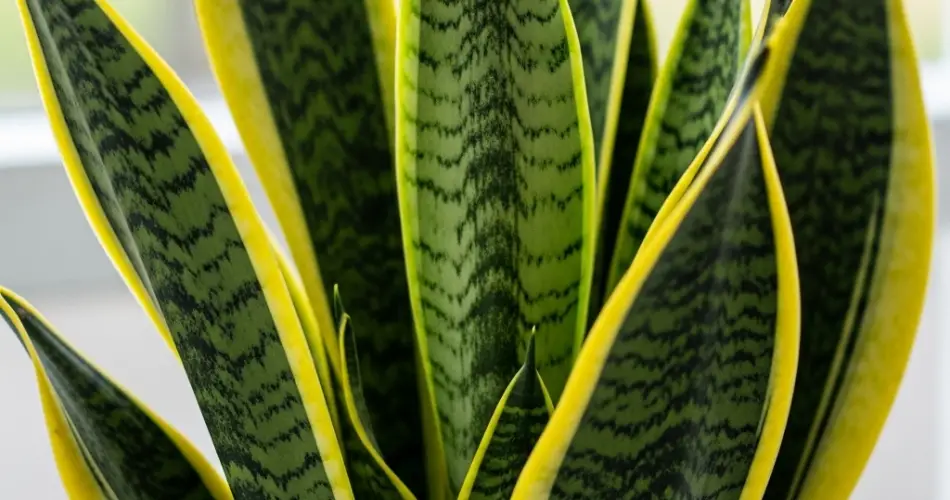
The snake plant, also known as Sansevieria or Dracaena trifasciata, is a staple in many homes—and for good reason. This striking plant with sword-like leaves and architectural charm is not only visually appealing but also one of the easiest houseplants to care for. Whether you’re a beginner or looking to take your plant-parenting skills to the next level, learning how to properly nurture a snake plant can help it thrive for years.
With just a few expert-backed tips, you can care for your snake plant like a pro and enjoy its many benefits—including air purification, minimal maintenance, and stylish greenery all year round.
Why Snake Plants Are So Popular
Snake plants are incredibly resilient, able to withstand periods of drought, low light, and minimal attention. These qualities make them perfect for busy people, beginners, or even those who’ve struggled with other houseplants.
In addition to their low maintenance needs, snake plants help filter indoor air by removing toxins such as formaldehyde and benzene. They also release oxygen at night, making them ideal for bedrooms and other living spaces.
Step 1: Choosing the Right Location
Although snake plants can survive in a variety of light conditions, they perform best in bright, indirect sunlight. A spot near a window that receives filtered light is ideal. Avoid harsh midday sun, which can scorch the leaves, as well as completely dark corners, which can stunt growth.
If you’re growing indoors, rotate the pot occasionally so the plant grows evenly and doesn’t lean toward the light.
Step 2: Use the Correct Soil
Snake plants prefer well-draining soil. A succulent or cactus mix is an excellent choice. You can also make your own by mixing regular potting soil with sand or perlite to improve drainage.
Avoid compact or moisture-retentive soil, as this increases the risk of root rot—a common issue with snake plants when overwatered.
Step 3: Choose the Right Pot
Always plant snake plants in a pot with drainage holes. Ceramic or terracotta pots are great options because they help wick moisture away from the soil. Make sure the container is only slightly larger than the root ball to avoid overwatering issues.
Step 4: Mastering the Watering Schedule
The golden rule with snake plants is less is more when it comes to watering. Allow the soil to dry out completely between waterings. In warm months, watering every 2 to 3 weeks is usually sufficient. During the cooler months, reduce to once a month or even less.
Overwatering is the most common reason snake plants struggle. Signs include yellowing leaves, mushy roots, and a foul smell from the soil. If any of these occur, reduce watering immediately and consider repotting in fresh, dry soil.
Step 5: Fertilize Lightly
Snake plants don’t require much feeding, but a little fertilizer can help support healthy growth. During the active growing season (spring and summer), use a balanced liquid houseplant fertilizer diluted to half strength once a month.
Avoid fertilizing in fall and winter when the plant naturally slows down.
Step 6: Clean and Prune as Needed
Dust can collect on the stiff leaves, reducing their ability to absorb light. Wipe them down with a damp cloth every few weeks to keep them clean and healthy.
You can also trim off any damaged or yellowing leaves at the base with clean scissors. This encourages new growth and keeps your plant looking its best.
Step 7: Repotting and Propagation
Snake plants grow slowly and only need to be repotted every 2 to 3 years. Signs that it’s time include:
-
Roots growing out of the drainage holes
-
Soil that dries out too quickly
-
A pot that’s become top-heavy
When repotting, choose a container one size up and refresh the soil. You can also propagate snake plants by dividing the rhizomes or rooting healthy leaf cuttings in water or soil.
Common Problems and Solutions
-
Curling or wrinkled leaves: Underwatering or low humidity. Increase watering slightly.
-
Soft, mushy leaves: Likely due to overwatering or poor drainage. Remove affected parts and allow the plant to dry out.
-
Brown tips: Usually caused by dry air or fluoride in tap water. Use distilled or rainwater if possible.
Final Thoughts
Nurturing a snake plant like a seasoned gardening expert doesn’t require fancy tools or extensive knowledge. With just a little attention to light, water, and soil, your snake plant can thrive in nearly any environment. Its hardy nature and elegant appearance make it a favorite among both beginners and experienced plant lovers alike.
By following these simple care strategies, you can enjoy a lush, healthy snake plant that adds life and style to your home all year long.


