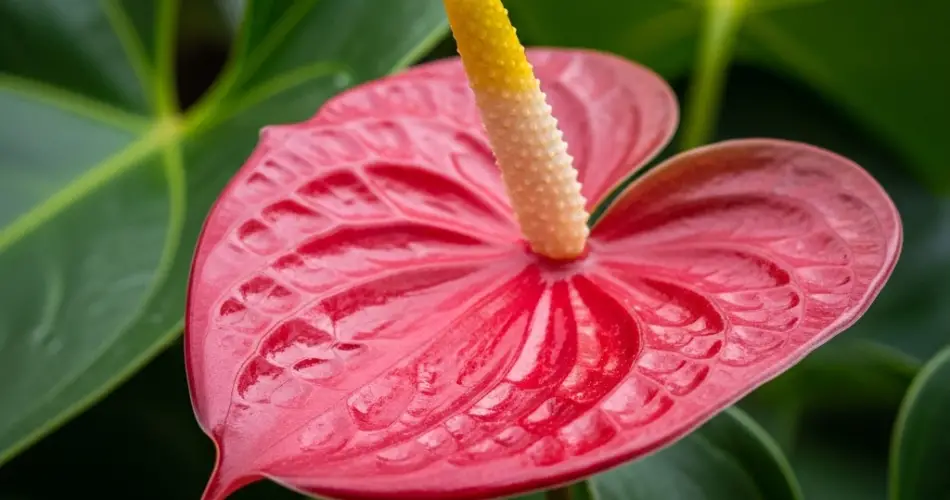
Anthuriums, often called “flamingo flowers” or “laceleaf,” are prized for their striking, heart-shaped blooms and glossy green foliage. Native to tropical rainforests, these elegant plants can add a burst of color and exotic beauty to your home. With the right care, anthuriums can bloom continuously throughout the year—even indoors.
Whether you’re new to indoor gardening or already have a green thumb, growing anthuriums for consistent blooms is achievable with the right conditions. Here’s how to make your anthurium thrive and flower beautifully all year long.
Choosing the Right Anthurium
There are over 1,000 species of anthurium, but for indoor growing, Anthurium andraeanum is the most popular due to its long-lasting, brightly colored spathes (modified leaves often mistaken for flowers). You’ll commonly find red, pink, white, or purple varieties in garden centers.
When selecting a plant:
-
Choose one with firm, dark green leaves.
-
Look for healthy roots and signs of new growth.
-
Avoid any with yellowing or drooping leaves, which may indicate stress.
Light: The Key to Frequent Flowering
Anthuriums thrive in bright, indirect light. Direct sunlight can scorch their leaves and flowers, while low light slows growth and reduces blooming. A spot near an east- or north-facing window is ideal. If placing near a south- or west-facing window, use sheer curtains to filter the light.
If natural light is limited, consider using a full-spectrum LED grow light for 10–12 hours a day.
Temperature and Humidity: Mimic the Tropics
To keep your anthurium blooming year-round, maintain a warm and humid environment.
Ideal conditions:
-
Temperature: 65°F to 80°F (18°C to 27°C). Avoid sudden drafts or temperatures below 55°F (13°C).
-
Humidity: 60% or higher. Use a room humidifier, place the pot on a humidity tray, or mist the leaves regularly to maintain moisture.
Low humidity is one of the most common reasons anthuriums fail to bloom indoors.
Potting and Soil
Anthuriums do best in well-draining, airy soil that mimics their natural rainforest habitat.
Use a mix of:
-
Orchid bark
-
Peat moss or coconut coir
-
Perlite or pumice
This blend ensures good drainage while retaining enough moisture for healthy roots. Plant your anthurium in a pot with drainage holes to prevent root rot.
Repot your plant every 2–3 years or when the roots begin to outgrow the container.
Watering and Feeding
Watering: Allow the top inch of soil to dry out between waterings. Overwatering can cause root rot, while underwatering may lead to dry, brown leaf tips. Use room-temperature water and always empty the saucer beneath the pot.
Feeding: Anthuriums benefit from regular feeding during their active growing period. Use a balanced liquid houseplant fertilizer diluted to half strength every 4–6 weeks. To encourage more blooms, use a bloom booster fertilizer that’s higher in phosphorus.
Pruning and Maintenance
Keep your plant tidy by removing yellow, damaged, or dead leaves regularly. Trim old or faded flowers at the base of the stem to direct the plant’s energy into new growth and flowering.
Wipe the leaves occasionally with a damp cloth to remove dust and help the plant absorb more light.
Tips for Year-Round Blooms
-
Stay consistent with care. Anthuriums don’t like sudden changes in environment, temperature, or lighting.
-
Rotate the plant every few weeks to ensure even light exposure on all sides.
-
Avoid repotting during flowering. Wait until blooms fade to minimize stress.
-
Watch for signs of stress. Curling leaves, lack of blooms, or yellowing may indicate improper watering or insufficient light.
Common Issues and Solutions
-
No flowers? Check your lighting—insufficient light is the most common cause.
-
Yellow leaves? May be due to overwatering or low humidity.
-
Brown leaf tips? Usually a sign of low humidity or salt buildup from fertilizer. Flush the soil with water and increase humidity.
Propagation: Multiply Your Anthurium
You can propagate your anthurium through division when repotting. Gently separate the root ball into sections, ensuring each has healthy roots and a few leaves. Plant each section in its own container with fresh soil and water thoroughly.
Final Thoughts
Anthuriums are a stunning addition to any indoor space. With their glossy foliage and vibrant, long-lasting blooms, they offer tropical flair and low-maintenance charm. By mimicking their native environment—warmth, humidity, bright indirect light—you can encourage consistent flowering and enjoy their beauty all year round.
Whether you’re growing one as a decorative centerpiece or building a lush indoor garden, learning how to care for anthuriums will reward you with healthy plants and dazzling blooms for many seasons to come.


