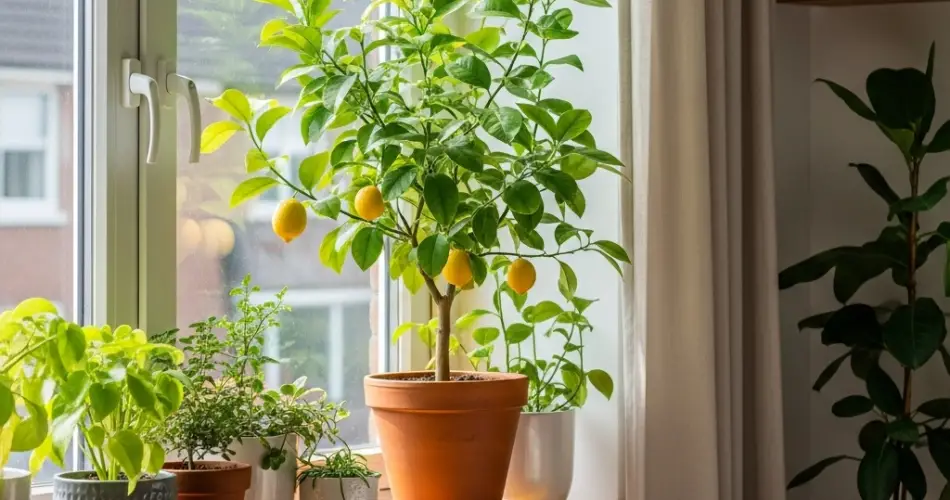
Growing a lemon tree might seem like something only possible in sprawling backyards or citrus groves, but you can actually grow and harvest lemons right from a container on your sunny windowsill. With the right care, even a small indoor space can produce juicy, flavorful lemons year-round.
Whether you’re an apartment dweller or simply want to enjoy fresh citrus within arm’s reach, here’s everything you need to know about growing and harvesting lemons in containers indoors.
Choosing the Right Lemon Tree for Containers
Not all lemon trees are equally suited for indoor growing. When selecting a variety for container gardening, opt for dwarf or semi-dwarf types, which are specially bred to stay compact while still producing fruit.
Popular indoor varieties:
-
Improved Meyer Lemon: A cross between a lemon and an orange, producing sweeter, thin-skinned fruit.
-
Ponderosa Lemon: Known for its large, tart lemons.
-
Dwarf Eureka or Lisbon Lemon: Traditional lemon flavor in a more compact form.
These varieties are grafted onto rootstocks that limit their size and make them ideal for pots and indoor environments.
Setting Up the Ideal Environment
1. Pot Selection
Choose a large container, at least 12–14 inches in diameter with good drainage holes. Terracotta or plastic pots work well. Place a saucer underneath to catch excess water.
2. Soil
Use a well-draining potting mix made for citrus or mix your own using equal parts potting soil, perlite, and compost. Avoid garden soil, which can be too heavy and retain too much moisture.
3. Light Requirements
Lemon trees need 8–12 hours of sunlight per day. A south- or southwest-facing window is ideal. If natural light is limited, use a full-spectrum grow light to ensure adequate light exposure.
4. Temperature and Humidity
Lemon trees prefer temperatures between 65–75°F (18–24°C). Keep them away from cold drafts and heating vents. To boost humidity, mist the leaves regularly or place the pot on a pebble tray filled with water.
Caring for Your Indoor Lemon Tree
Watering:
Lemon trees like moist but not soggy soil. Water when the top inch of soil feels dry. Always empty the saucer to prevent root rot.
Fertilizing:
Feed your lemon tree every 4–6 weeks with a balanced citrus fertilizer. Indoor trees especially benefit from micronutrients like magnesium, iron, and zinc.
Pollination:
Indoor lemon trees need a little help with pollination since there are no bees around. Use a soft brush or cotton swab to transfer pollen from flower to flower.
Pruning:
Trim back long or leggy branches to shape the tree and encourage bushier growth. Remove any dead or yellowing leaves.
Pest Management:
Watch for common pests like spider mites, aphids, and scale. Wipe leaves with a damp cloth regularly and use insecticidal soap or neem oil if needed.
Flowering and Fruit Development
Under the right conditions, your lemon tree will begin to flower. The white, fragrant blooms are a sign that your plant is healthy and ready to produce fruit. After successful pollination, tiny green lemons will appear and gradually grow over several months.
Lemons typically take 6–9 months to ripen. Be patient—indoor conditions may slow the process compared to outdoor trees.
Harvesting Lemons Indoors
You’ll know lemons are ready to harvest when they’ve turned fully yellow and give slightly when squeezed. Don’t pick them too early, as they won’t ripen further once removed from the tree.
To harvest:
-
Use pruning shears or scissors to snip the fruit at the stem.
-
Avoid pulling, which can damage the branch.
-
Store harvested lemons at room temperature or in the refrigerator for longer shelf life.
Indoor lemon trees often produce fruit in cycles. With consistent care, you may see blooms and ripening fruit at the same time—a delightful and productive feature of container gardening.
Year-Round Tips for Success
-
Rotate the pot every few weeks so all sides of the plant receive sunlight.
-
Repot every 2–3 years to refresh the soil and allow room for root growth.
-
Check for rootbound signs, like slowed growth or water sitting on the surface.
-
Support fruiting branches with small stakes if lemons become heavy.
Final Thoughts
Harvesting lemons from a container on your windowsill isn’t just possible—it’s surprisingly rewarding. With the right variety, consistent care, and a little patience, you’ll enjoy a fragrant, fruitful lemon tree indoors, no matter your living space.
Not only does it provide fresh lemons for cooking and drinks, but it also adds a bright, tropical touch to your home. Whether you’re a seasoned gardener or a complete beginner, this is one plant that’s sure to brighten your days and your windowsill all year long.


