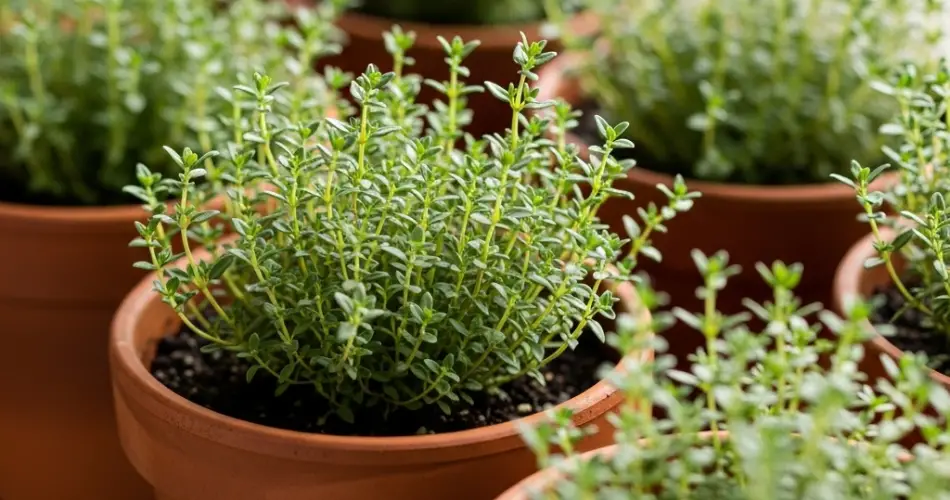
Thyme is a beloved culinary herb known for its earthy aroma, delicate leaves, and versatility in both cooking and landscaping. Whether added to roasted vegetables, soups, or meat dishes, thyme brings a subtle yet distinctive flavor that elevates any recipe. Fortunately, thyme is easy to grow at home, even in small spaces. With just a container, the right soil, and some sunlight, you can cultivate this fragrant herb right on your balcony, windowsill, or patio.
Container gardening offers full control over soil quality, watering, and placement—making it ideal for thyme, which thrives in dry, well-drained conditions. Whether you’re new to herb gardening or a seasoned grower, thyme is a low-maintenance and rewarding plant that deserves a spot in your potted herb collection.
Why Choose Containers for Thyme?
Thyme naturally grows in rocky, arid Mediterranean environments, making it well suited for container gardening. Potted thyme thrives in conditions where water drains quickly and the soil stays on the dry side—easy to manage in a well-prepared container.
Benefits of growing thyme in pots include:
-
Control over moisture and soil type
-
Flexibility to move the plant indoors or outdoors as needed
-
Easy access for frequent harvesting
-
Prevention of overcrowding by other garden plants
-
Ideal for balconies, patios, or small urban gardens
Choosing the Right Container
Thyme has a shallow but wide-spreading root system, so the container should be:
-
At least 8 inches deep and 10–12 inches wide, depending on the number of plants
-
Made of terracotta, ceramic, or plastic
-
Equipped with drainage holes to prevent water from pooling at the bottom
Terracotta pots are especially good for thyme because they allow excess moisture to evaporate through the walls of the pot, which mimics the dry conditions thyme prefers.
Soil and Drainage
Thyme does best in light, sandy, well-draining soil. Standard garden soil is often too heavy for containers and retains too much moisture. Instead, use:
-
A high-quality potting mix
-
Amend it with coarse sand or perlite to improve drainage
-
Add a handful of organic compost for a slow nutrient release
Ideal soil pH ranges between 6.0 and 8.0, and it should remain loose and airy to encourage healthy root growth.
Planting Thyme: Seeds, Cuttings, or Transplants
There are several ways to grow thyme, each with its own benefits:
1. Seeds:
Thyme seeds are tiny and slow to germinate. Start them indoors 6–8 weeks before transplanting outdoors. Sprinkle seeds on top of moist soil and gently press them in. Keep the soil consistently damp and warm. Germination can take up to 3 weeks.
2. Cuttings:
Take a 4–6 inch cutting from an established thyme plant. Strip the leaves from the lower half and place the cutting in water or moist soil. After a few weeks, once roots form, transplant it into the container.
3. Transplants:
The easiest method is to buy a small thyme plant from a nursery. Gently remove it from its original pot, loosen the roots, and plant it in your prepared container.
Sunlight Requirements
Thyme needs at least 6 hours of full sunlight daily to develop its signature flavor and scent. Place your container in a sunny spot, such as:
-
A south-facing windowsill
-
A balcony with good light exposure
-
A patio or porch that receives morning and afternoon sun
If growing indoors with limited light, consider using a grow light to supplement sunlight.
Watering and Feeding
Thyme is drought-tolerant and dislikes overwatering. Let the top inch of soil dry out completely before watering again. Too much moisture can lead to root rot or fungal diseases.
Tips for watering thyme:
-
Water deeply but infrequently
-
Use pots with good drainage
-
Avoid letting the pot sit in standing water
Thyme does not require heavy feeding. Apply a diluted liquid fertilizer or compost tea once every 6–8 weeks during the growing season. Over-fertilizing can result in leggy growth and reduced flavor.
Pruning and Harvesting
Regular pruning helps thyme stay bushy, compact, and productive. You can begin harvesting once the plant is well established—usually when it reaches 4–6 inches in height.
Pruning tips:
-
Use clean scissors to trim just above a leaf node
-
Harvest no more than one-third of the plant at a time
-
Pinch off flower buds to maintain flavor in the leaves
-
Frequent trimming encourages new growth and delays flowering
Thyme can be used fresh or dried. To dry, hang small bundles upside down in a dark, dry space with good airflow. Once the leaves are crisp, strip them from the stems and store in airtight containers.
Common Pests and Problems
Thyme is relatively resistant to pests and disease, but keep an eye out for:
-
Aphids and spider mites (spray with neem oil or insecticidal soap)
-
Powdery mildew (improve air circulation and avoid overhead watering)
-
Root rot (ensure proper drainage and avoid overwatering)
Good airflow, full sun, and well-draining soil are your best defenses against these issues.
Overwintering Thyme in Pots
Thyme is a hardy perennial in zones 5–9. In colder areas:
-
Bring containers indoors before the first frost
-
Place the pot in a cool, sunny room
-
Water sparingly through the winter months
When spring returns, move the pot outdoors and resume regular watering and feeding.
Conclusion
Fragrant, flavorful, and fuss-free, thyme is a must-have herb for any home gardener. Growing thyme in containers gives you maximum flexibility and control while ensuring a steady supply of fresh herbs for your kitchen. With proper sunlight, good drainage, and regular pruning, your potted thyme will thrive and continue to reward you with its unmistakable aroma and taste, season after season.


