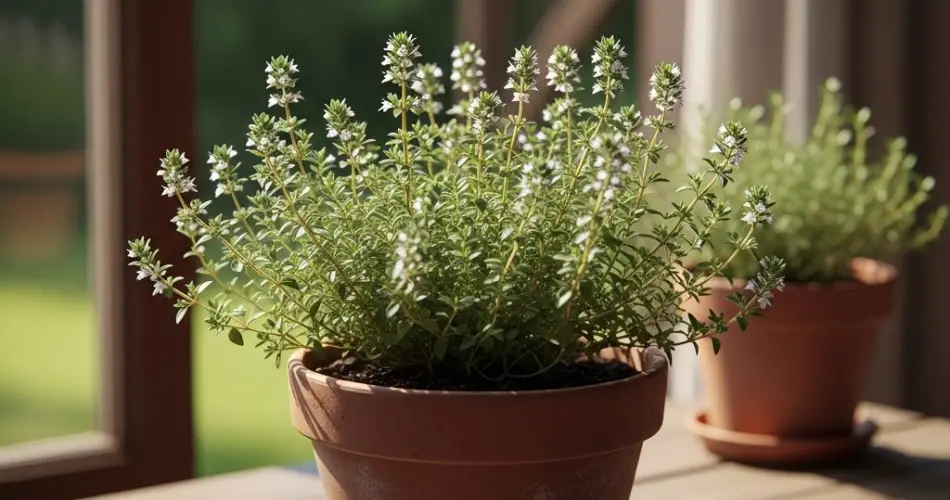
Oregano is a beloved herb known for its bold, earthy flavor and delightful aroma. Often used in Italian, Greek, and Mediterranean dishes, oregano is easy to grow at home—even without a garden. When grown in pots, oregano not only provides fresh seasoning right at your fingertips, but also adds a splash of green to your kitchen windowsill, balcony, or patio.
Pot-growing oregano is ideal for beginners or gardeners with limited space. This guide covers everything you need to cultivate lush, aromatic oregano in containers—from soil preparation to pruning for maximum flavor.
Why Choose Pots for Growing Oregano?
Oregano is a hardy perennial that thrives in containers. Growing it in pots gives you several advantages:
-
Control over soil and drainage
-
Portability—you can move the plant to sunnier or sheltered spots as needed
-
Prevents invasive spreading—oregano can take over garden beds if left unchecked
-
Perfect for small spaces—great for balconies, patios, and kitchen ledges
Whether indoors or out, oregano grows happily in pots with minimal effort.
Selecting the Right Pot
Choose a pot that is at least 8–10 inches in diameter and 6–8 inches deep. Oregano has a relatively shallow root system, but it likes room to spread out.
Make sure the pot has drainage holes. Terracotta or unglazed clay pots are great options as they allow excess moisture to evaporate, helping to prevent root rot.
You can also recycle containers like food-grade buckets or tubs—just be sure to drill holes in the bottom for drainage.
The Ideal Soil for Oregano
Oregano prefers well-draining soil with a slightly alkaline pH. Use a high-quality potting mix blended with sand or perlite to ensure proper aeration and drainage.
For a Mediterranean-style soil, mix:
-
2 parts potting mix
-
1 part coarse sand or perlite
-
A handful of crushed eggshells or garden lime (optional, to raise pH)
Avoid compact or clay-heavy soils, which can retain too much moisture and lead to root problems.
Planting Oregano: Seeds, Cuttings, or Transplants
There are several ways to start your oregano plant:
From Seeds:
-
Fill your container with moistened potting mix.
-
Sprinkle seeds lightly on the surface and press them in—don’t bury too deep.
-
Mist gently and cover with a clear plastic lid or bag to retain humidity.
-
Place in a warm, sunny spot. Germination takes 7–14 days.
From Cuttings:
-
Take a 4–6 inch cutting from a healthy oregano plant.
-
Remove lower leaves and place the cutting in water or directly in moist soil.
-
Keep in bright, indirect light until roots form in 2–3 weeks.
From Nursery Plants:
-
The simplest method. Transplant directly into your prepared container and water thoroughly.
Light, Temperature, and Placement
Oregano loves sunlight—at least 6 hours a day. Place your pot in a bright, sunny spot like a south-facing windowsill, balcony, or patio. Outdoors, it enjoys full sun, though in very hot climates, some afternoon shade may help.
Ideal temperatures range from 60°F to 80°F (15°C to 27°C). If temperatures drop below freezing, bring your oregano indoors for the winter.
Watering and Fertilizing
Oregano prefers dry conditions once established. Water the plant when the top inch of soil feels dry. Avoid overwatering, as soggy soil can lead to root rot.
When watering:
-
Soak the soil until water drains from the bottom.
-
Let the soil dry out slightly before watering again.
Fertilizing oregano lightly every 4–6 weeks with a balanced, diluted organic fertilizer can encourage growth, though too much fertilizer may reduce flavor intensity.
Pruning for Flavorful, Bushy Growth
Regular pruning keeps oregano bushy and boosts its flavor. Once the plant is 4–6 inches tall, pinch back the growing tips to encourage branching.
Continue to trim the plant regularly by:
-
Snipping stems just above leaf nodes
-
Removing flowers to maintain leaf production
-
Never cutting more than one-third of the plant at a time
Pruned leaves can be used fresh or dried for storage.
Harvesting Oregano
You can begin harvesting once the plant is established and growing well. For best flavor:
-
Harvest in the morning after the dew has dried but before the sun is too strong.
-
Use scissors to snip sprigs just above a pair of leaves.
-
Collect leaves regularly to encourage new growth.
To preserve oregano:
-
Air dry sprigs by hanging them upside down in a dry, shaded area.
-
Store dried leaves in airtight jars away from light and heat.
-
You can also freeze fresh leaves in olive oil or water using ice cube trays.
Common Issues and Solutions
-
Leggy growth: Move to a sunnier spot or trim back stems.
-
Yellowing leaves: Usually caused by overwatering or poor drainage.
-
Pest problems: Oregano is generally pest-resistant, but you may occasionally see aphids or spider mites. Spray with water or use neem oil if needed.
-
Weak flavor: Too much fertilizer or insufficient sunlight can reduce essential oil concentration.
Final Thoughts
Oregano is a low-maintenance, rewarding herb to grow in containers. With its attractive appearance, robust flavor, and minimal care requirements, it’s a great addition to any home garden—indoors or out. By choosing the right pot, providing well-draining soil, and giving your plant plenty of sunlight, you’ll enjoy an abundant supply of aromatic leaves all season long.
Whether used fresh or dried, homegrown oregano will elevate your culinary creations and connect you to the simple joy of growing your own food.


