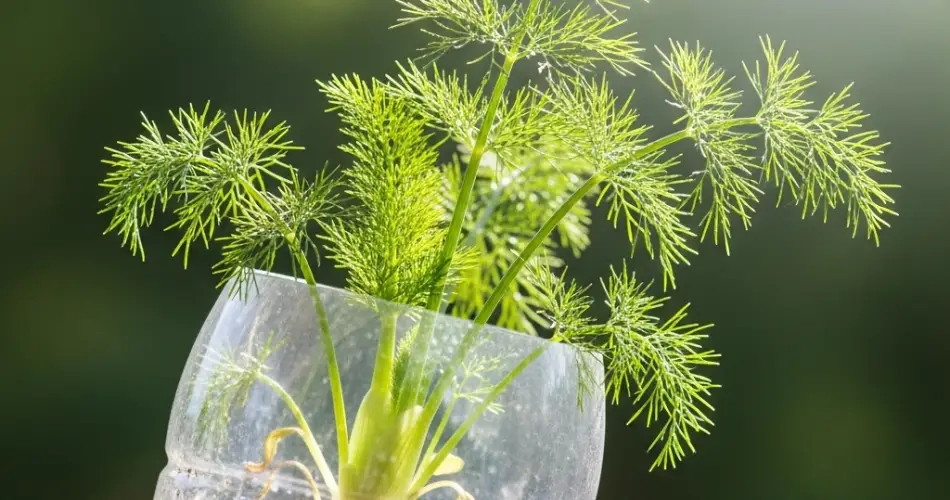
Fennel is a flavorful and aromatic herb that’s as beautiful as it is useful. Known for its feathery green leaves, sweet anise-like taste, and bulbous base, fennel can be used in everything from salads and soups to teas and herbal remedies. Traditionally grown in garden beds, fennel can also be cultivated in small spaces—such as balconies, patios, or even kitchen corners—using recycled plastic bottles.
Growing fennel in plastic bottles is a smart and sustainable way to bring this multi-purpose herb into your home garden, even if you don’t have access to a lot of outdoor space. With the right container setup, proper care, and a sunny location, fennel can thrive and provide both beauty and flavor right from a repurposed bottle.
Why Grow Fennel in Plastic Bottles?
Plastic bottles offer a practical solution for gardeners with limited space. By upcycling used containers, you not only reduce plastic waste but also create an efficient mini garden system for herbs and vegetables. Fennel, while often grown for its bulb, can also be harvested for its flavorful leaves and seeds.
Advantages of using plastic bottles for fennel include:
-
Affordable and accessible containers for growing herbs
-
Easy to move or rotate for optimal sunlight exposure
-
Perfect for balconies, windowsills, and compact patios
-
Sustainable gardening method that minimizes waste
-
Encourages resourcefulness and eco-conscious practices
Fennel’s shallow root system (when grown for foliage and seeds) allows it to do well in containers, making it a viable crop for vertical or container gardening.
What You’ll Need
To begin, gather the following items:
-
1 large plastic bottle (preferably 2 liters or larger)
-
Sharp scissors or a utility knife
-
Organic potting soil (well-draining)
-
Fennel seeds (Florence fennel for bulbs or herb fennel for fronds and seeds)
-
Small stones or mesh (optional, for drainage)
-
A spray bottle or watering can
-
A shallow dish or tray to catch drainage water
Preparing the Bottle Planter
Fennel requires room to grow, especially if you’re cultivating it for the bulb. Use the largest bottle available or cut horizontally for a trough-style planter if space allows.
Steps:
-
Clean the bottle thoroughly to remove labels and residues.
-
Cut off the top third of the bottle to create an open container.
-
Make drainage holes at the bottom using a sharp tool or heated nail.
-
Optional: Add a layer of pebbles or mesh to assist with drainage.
-
Fill the bottle with potting mix up to 1 inch below the rim. Use soil rich in organic matter and light in texture.
Florence fennel grows best in loose, fertile soil with excellent drainage, so avoid heavy or compacted soils.
Planting Fennel
Fennel is best grown from seed and should be sown directly into the container, as it doesn’t transplant well due to its long taproot.
-
Sow 2–3 seeds about ½ inch deep into the soil.
-
Lightly cover with soil and mist with water.
-
Germination usually occurs in 7–10 days if kept moist and warm.
-
Once seedlings appear, thin them to keep only the strongest one per bottle (especially important for bulb formation).
Keep the container in a sunny location and avoid disturbing the plant as it matures.
Sunlight and Placement
Fennel thrives in full sunlight, needing at least 6–8 hours per day for healthy growth.
Ideal placements include:
-
A south- or west-facing windowsill
-
A sunny balcony or patio
-
Near a bright window with good airflow
Rotate the planter every few days to ensure even exposure to light.
Watering and Fertilizing
Fennel enjoys consistently moist soil but doesn’t tolerate waterlogged conditions.
Watering tips:
-
Water regularly, especially during dry or hot spells.
-
Allow the top inch of soil to dry out slightly between waterings.
-
Ensure water drains well through the holes to prevent root rot.
Fertilizer tips:
-
Use a balanced liquid fertilizer every 3–4 weeks to promote growth.
-
Avoid over-fertilizing, which may cause the plant to bolt (go to seed too early).
Harvesting Fennel
You can harvest fennel in stages, depending on what you intend to use.
Fronds: Once the plant reaches 8–10 inches in height, you can snip off the feathery leaves for garnishes, teas, or salads.
Bulb (for Florence fennel): If you’re growing for the bulb, allow it to swell at the base. Harvest when the bulb reaches the size of a tennis ball, cutting it just above the soil line.
Seeds: Let the flower heads dry on the plant. Collect the seeds once they turn brown and dry—perfect for spice blends and teas.
Common Issues and Solutions
-
Bolting early: Fennel may bolt in hot weather or under stress. Ensure consistent moisture and avoid overcrowding.
-
Yellowing leaves: Usually a sign of poor drainage or overwatering. Adjust watering habits and check soil condition.
-
Stunted bulb growth: Ensure the container is deep enough and that the plant isn’t crowded by other herbs.
Conclusion
Growing fennel in plastic bottles is a smart way to add flavor, fragrance, and greenery to your small garden space. This adaptable herb not only thrives in confined conditions but also provides multiple edible parts throughout its lifecycle. With just a little effort and care, you can enjoy fresh fennel from a bottle—right at your windowsill, balcony, or patio—while reducing waste and cultivating a greener lifestyle.


