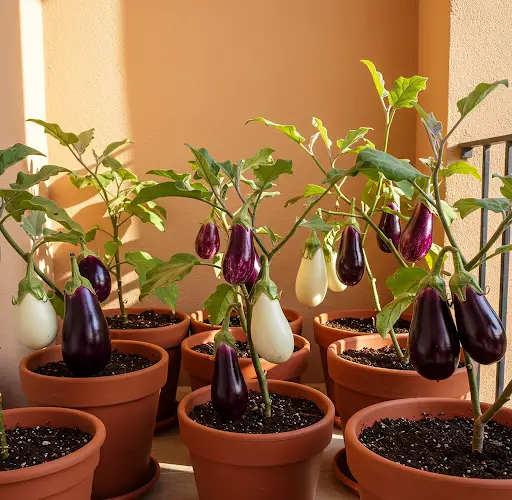
Eggplants, also known as aubergines, are a warm-season crop prized for their glossy skins and delicious flavor. While they’re commonly grown in garden beds, eggplants adapt surprisingly well to containers. With the right conditions, you can successfully grow them from seed—even on a small balcony or patio.
Growing eggplants in containers gives you control over soil quality, reduces the chance of pests and diseases, and allows you to move plants for optimal sunlight. Here’s a complete step-by-step guide to growing eggplants from seed in containers.
Why Grow Eggplants in Containers?
Eggplants need warmth, sunlight, and space to thrive. Container growing lets you:
-
Control soil composition and drainage.
-
Place plants in sunniest locations.
-
Avoid common soil-borne diseases.
-
Grow food even without a garden.
Compact varieties are especially well-suited to container growing, but even standard types can perform well in large pots.
Step-by-Step Guide to Growing Eggplants in Containers
1. Choose the Right Eggplant Variety
When growing in containers, it’s helpful to choose smaller or compact varieties such as:
-
Patio Baby
-
Little Finger
-
Fairy Tale
-
Ichiban (Japanese long variety)
These produce well in confined spaces and still offer great flavor and productivity. However, if you have large containers, traditional varieties like Black Beauty will also thrive.
2. Start Seeds Indoors
Eggplants are heat-loving plants that require a long growing season, so start seeds indoors 8–10 weeks before your last expected frost.
-
Fill seed trays or small pots with seed-starting mix.
-
Sow seeds ¼ inch deep and water lightly.
-
Cover with plastic or a humidity dome to retain moisture.
-
Place the trays in a warm area (75–85°F or 24–29°C). A heat mat can help speed germination.
Seeds usually germinate within 7–14 days.
3. Provide Light for Seedlings
Once seedlings emerge, remove any covering and place them in a bright location. If natural light is limited, use grow lights for 14–16 hours a day to prevent leggy growth.
When seedlings develop two sets of true leaves, thin them by snipping the weaker seedlings at the soil line.
4. Harden Off Before Transplanting
Before moving seedlings outdoors, harden them off by gradually exposing them to outdoor conditions over 7–10 days. Start with a few hours in dappled shade, slowly increasing sunlight and time spent outside.
Once temperatures remain consistently above 60°F (16°C), the plants can be safely transplanted.
5. Choose the Right Container
Eggplants need room to grow. Use a container that is:
-
At least 12–16 inches deep and wide.
-
Holds 5 gallons (20 liters) or more per plant.
-
Made of clay, plastic, or fabric, with drainage holes at the bottom.
If you’re growing multiple plants, space them at least 18–24 inches apart.
6. Use High-Quality Soil
Fill containers with a light, rich potting mix—not garden soil, which is too dense. For best results:
-
Add compost or aged manure to enrich the mix.
-
Ensure good drainage with perlite or coarse sand.
-
The ideal pH is between 6.0 and 6.8.
Mix in a balanced slow-release fertilizer at planting time or feed regularly with liquid fertilizer.
7. Transplanting into Containers
-
Gently remove the seedling from its tray or pot.
-
Plant it at the same depth it was growing in the seedling container.
-
Firm the soil gently around the base.
-
Water thoroughly to help the plant settle in.
Place containers in a sunny spot that receives at least 6–8 hours of direct sunlight daily.
8. Watering and Fertilizing
-
Keep soil consistently moist but not waterlogged.
-
Water when the top inch of soil feels dry.
-
Avoid overhead watering to prevent fungal diseases.
-
Apply a balanced liquid fertilizer every 2–3 weeks once flowering begins.
As fruits form, consider switching to a low-nitrogen, high-potassium fertilizer to promote better fruit development.
9. Support the Plants
Eggplants can become top-heavy as fruits develop. Use:
-
Tomato cages
-
Stakes
-
Small trellises
These prevent the plant from bending or snapping under its own weight.
10. Watch for Pests and Diseases
Container-grown plants are less prone to soil diseases but still need monitoring. Common pests include:
-
Aphids
-
Flea beetles
-
Spider mites
Use neem oil or insecticidal soap if infestations occur. Promote airflow by avoiding overcrowding and removing damaged or yellowing leaves.
11. Harvesting
Eggplants are best harvested when fruits are:
-
Firm, glossy, and full-sized for their variety.
-
Pressing the skin should leave a slight dent that springs back.
Use a clean knife or pruning shears to cut the fruit with a short stem attached. Don’t twist or pull—it can damage the plant.
Harvesting regularly encourages more fruit production throughout the season.
Final Tips
-
Rotate containers occasionally to promote even growth.
-
Mulch the soil to retain moisture and suppress weeds.
-
Don’t let fruits overripen on the plant—they can become bitter and reduce overall yield.
With proper care, eggplants grown in containers can be just as productive—and often more convenient—than those grown in traditional garden beds. Enjoy fresh, delicious eggplants right from your balcony or patio!


