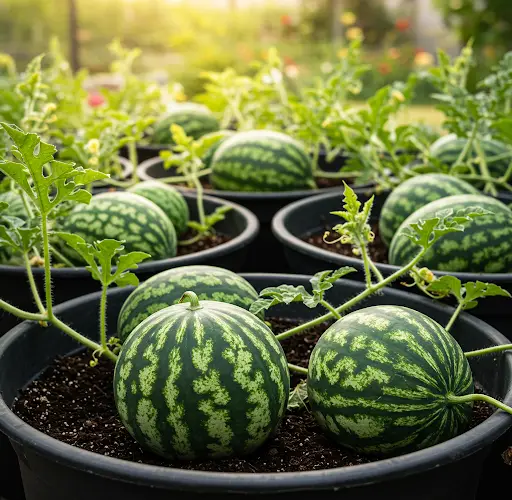
Watermelons are a refreshing and iconic summer fruit, and with the right techniques, they can be grown successfully even in containers. Growing watermelon from seed in containers is a great way to enjoy this sweet fruit at home—perfect for those with limited garden space, balconies, patios, or small backyards. With some planning and care, container-grown watermelons can yield delicious results.
Can Watermelons Really Grow in Containers?
Yes! While watermelon plants are typically known for their long vines and large fruits, dwarf and compact varieties make container gardening not only possible but rewarding. Even standard varieties can thrive in containers if given enough room, support, and attention.
Step-by-Step Guide to Growing Watermelon from Seed in Containers
1. Choose the Right Variety
The first step is selecting a suitable watermelon variety. For containers, compact or bush varieties work best. Look for types like:
-
Sugar Baby (small, round, and sweet)
-
Bush Jubilee
-
Golden Midget
-
Mini Love
These varieties require less space and produce fruit smaller in size but full of flavor—ideal for home gardeners working with limited areas.
2. Start with Quality Seeds
Purchase fresh, high-quality seeds from a trusted source. Watermelon seeds germinate best when started indoors or directly in warm weather. If starting indoors, begin 3–4 weeks before the last expected frost date.
3. Use the Right Containers
Watermelons need space—both above and below the soil. Choose a large container with a minimum size of 18–24 inches deep and wide, holding at least 5 gallons (20 liters) of soil per plant. Bigger is better, especially for vining varieties.
Ensure containers have good drainage holes to prevent waterlogging and root rot.
4. Prepare the Soil
Watermelons love loose, well-draining, nutrient-rich soil. A quality potting mix with compost or aged manure works well. For added drainage and fertility:
-
Mix in perlite or coarse sand for aeration.
-
Blend in organic compost or a slow-release fertilizer high in phosphorus and potassium.
The ideal pH range for watermelon is between 6.0 and 6.8.
5. Planting the Seeds
If sowing directly into containers:
-
Plant 2–3 seeds about 1 inch deep.
-
Space them at least 2–3 inches apart in the center of the pot.
-
Once they sprout, thin to the strongest seedling.
If starting indoors:
-
Use biodegradable pots or seed trays.
-
Keep them in a warm location (70–85°F or 21–29°C).
-
Transplant once seedlings have 2–3 true leaves and outdoor temperatures remain consistently above 65°F (18°C).
6. Provide Full Sunlight
Watermelon plants need at least 6–8 hours of full sun daily. Choose the sunniest spot on your balcony, patio, or deck. More sunlight results in sweeter fruit and healthier vines.
Rotate containers occasionally for even sun exposure.
7. Watering
Watermelons require consistent moisture—especially during flowering and fruit development—but do not tolerate soggy soil.
-
Water deeply when the top inch of soil feels dry.
-
Reduce watering slightly once fruits start to mature to concentrate sweetness.
-
Use mulch (like straw or dried grass) on the soil surface to retain moisture and reduce evaporation.
8. Feeding Your Plants
Watermelon vines are heavy feeders. Apply a balanced fertilizer every 2–3 weeks or follow product instructions. Once flowering starts, switch to a low-nitrogen, high-potassium fertilizer to promote fruit growth.
You can also use compost tea or liquid seaweed extract as an organic supplement.
9. Train the Vines
Watermelon vines can sprawl widely, even from containers. To save space:
-
Use trellises or vertical supports for smaller-fruited varieties.
-
Support developing fruits with slings made from cloth or mesh to prevent the vines from snapping.
-
Alternatively, allow vines to trail across the ground or patio, just ensure they’re not in the way of foot traffic.
10. Pollination
Watermelons rely on pollination to produce fruit. Outdoors, bees and other insects usually take care of this. In case of low pollinator activity:
-
Gently hand-pollinate by transferring pollen from male flowers (on thin stems) to female flowers (with a tiny fruit bulge behind the petals) using a small brush or cotton swab.
11. Harvesting
Depending on the variety, watermelons mature in 70–100 days from planting. Signs your fruit is ready:
-
The underside (where it touches the ground or pot) turns creamy yellow.
-
The tendril closest to the fruit turns brown and dry.
-
The fruit sounds hollow when tapped.
Use sharp scissors or a knife to cut the watermelon from the vine, leaving a few inches of stem attached.
Final Tips
-
Keep a close eye on watering—overwatering and underwatering are common mistakes.
-
Protect vines from strong winds or extreme temperature fluctuations.
-
If you’re growing more than one plant, space containers well apart to allow air circulation.
Growing watermelons from seed in containers may seem ambitious, but with the right variety and care, it’s absolutely achievable. The taste of a homegrown watermelon—sun-ripened and sweet—is worth every effort.


