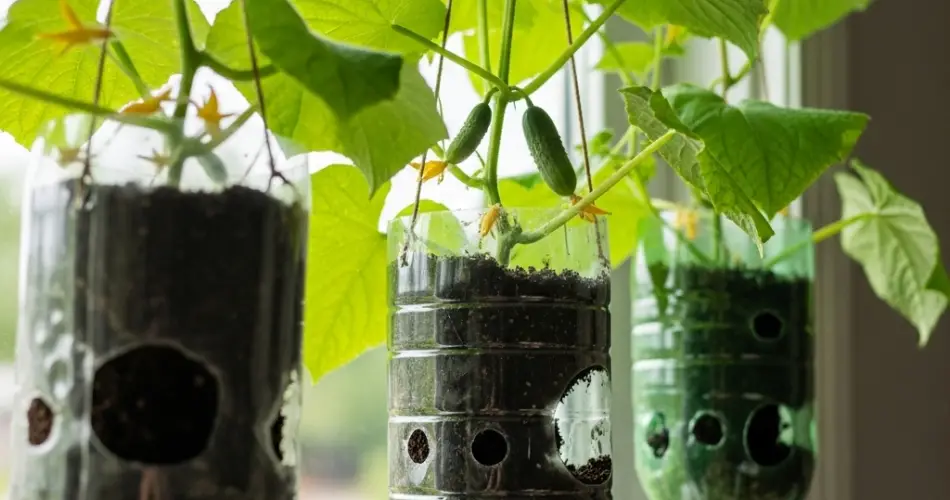
Cucumbers are crisp, refreshing, and surprisingly easy to grow—even in compact spaces. While they typically require sprawling ground or large trellises, you can successfully cultivate cucumbers in hanging plastic bottles mounted on walls. This clever vertical gardening method not only saves space but also recycles plastic waste into productive garden containers.
Perfect for balconies, patios, or even fences, hanging wall bottle gardens allow gardeners to grow cucumbers upward rather than outward. With the right setup, proper support, and a bit of care, you can enjoy homegrown cucumbers without the need for a traditional garden.
Why Use Hanging Bottles to Grow Cucumbers?
Growing cucumbers in hanging plastic bottles is a space-efficient, eco-friendly, and effective solution for small-space gardeners. Here’s why it works so well:
-
Maximizes vertical space: Ideal for small yards, apartment balconies, or walls.
-
Reduces waste: Repurposes plastic bottles that would otherwise end up in landfills.
-
Better airflow: Helps prevent mildew and other diseases common in ground-level cucumber plants.
-
Easier maintenance: Fewer weeds, reduced pest contact, and easier harvesting.
-
Aesthetic appeal: A vertical wall covered in cucumber vines can be both beautiful and productive.
What You’ll Need
Before you begin, gather the following materials:
-
1.5 to 2-liter plastic bottles (clear or colored)
-
Sharp scissors or a utility knife
-
Quality potting soil
-
Compost or organic fertilizer
-
Cucumber seeds or seedlings (dwarf or vining varieties)
-
Twine, wire, or rope for support
-
Hooks, nails, or screws for mounting
-
A drill or hot nail for making drainage holes
Ensure that the bottles are strong and clean, as they’ll be holding soil, water, and plant weight over time.
Best Cucumber Varieties for Hanging Bottles
When choosing cucumbers for vertical bottle gardening, opt for compact or vining types that grow well with upward support.
Recommended varieties:
-
Bush Champion – A compact bush type that thrives in containers.
-
Spacemaster – Designed for small gardens and hanging setups.
-
Patio Snacker – Short vines and small fruit, perfect for bottles.
-
Miniature White or Lemon Cucumber – Small fruits and fast-growing vines.
These varieties are easier to manage in small containers and produce fruit quickly.
Preparing the Bottles
-
Clean thoroughly: Wash bottles with soap and water to remove any residue.
-
Cut a planting window: Lay the bottle horizontally and cut a 4–5 inch rectangular opening on one side for planting.
-
Drainage holes: Poke several small holes in the bottom of the bottle to allow water to escape.
-
Create hanging holes: Punch two holes near the neck and base (opposite the planting slit) to thread string, wire, or rope.
Mount the bottles onto a sturdy wall, wooden frame, or railing in a position that gets plenty of sun.
Soil and Fertilizer
Cucumbers love nutrient-rich, well-draining soil. Prepare your mix using:
-
2 parts quality potting soil
-
1 part compost or aged manure
-
A handful of perlite or vermiculite for improved drainage
Mix in a balanced, slow-release fertilizer before planting. As the plants grow and start to flower, switch to a fertilizer high in potassium to boost fruit production.
Planting Cucumbers in Bottles
-
Fill the bottle about three-quarters full with the prepared soil mix.
-
Plant one seedling or sow 2–3 seeds directly into the soil. If multiple seeds sprout, thin them to keep the strongest one.
-
Water gently after planting to settle the soil and initiate root growth.
Make sure the opening is large enough to give the young plant room to develop without damage.
Sunlight and Watering
-
Light: Cucumbers need at least 6–8 hours of direct sunlight daily. South-facing walls are ideal for bottle gardens.
-
Watering: Cucumbers are thirsty plants. Keep the soil evenly moist but not waterlogged. During hot weather, you may need to water once or twice a day.
-
Mulching: A thin layer of mulch inside the bottle helps retain moisture and protect the roots from heat.
Keep an eye on moisture levels, as hanging containers dry out faster than ground beds.
Supporting Cucumber Vines
Cucumber plants need support as they grow. Tie the vines to nearby strings, a mesh trellis, or wires attached to the wall. Use soft ties like garden twine or strips of cloth to avoid damaging the stems.
Training the vines vertically will not only keep the plant organized but also encourage better airflow and exposure to light, resulting in healthier plants and more fruit.
Maintenance and Pest Control
-
Prune lower leaves as the plant matures to improve air circulation.
-
Monitor for pests like aphids and cucumber beetles. Remove by hand or use neem oil spray as needed.
-
Pollination: If growing in a sheltered area, gently hand-pollinate flowers using a soft brush or by tapping them lightly to transfer pollen.
Harvesting Cucumbers
Cucumbers can be harvested about 50–70 days after planting, depending on the variety. Harvest the fruits when they reach the desired size and before they become overripe.
Pick regularly to encourage more fruiting. Overripe cucumbers left on the vine will reduce further production and may turn bitter.
Final Thoughts
Growing cucumbers in hanging wall bottles is a brilliant solution for gardeners with limited space. It’s low-cost, environmentally friendly, and surprisingly productive. With just a few recycled materials, a sunny wall, and basic garden care, you can enjoy fresh, homegrown cucumbers all season long—straight from your own vertical garden. Whether you’re a beginner or a seasoned grower, this method offers a fun and practical way to bring more greenery and nutrition into your home.


