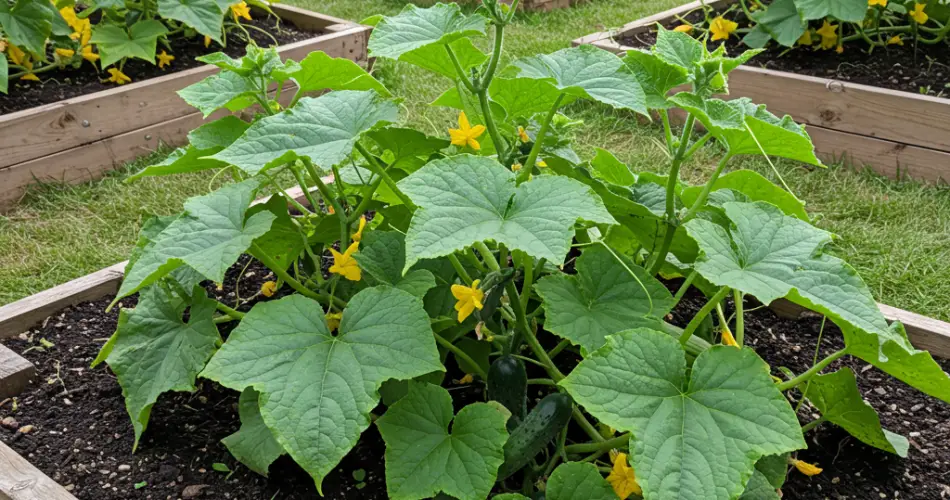
Cucumbers are one of the easiest and most productive vegetables to grow, even if you’re a complete beginner. With just a little effort and the right care, you can enjoy a steady harvest of crisp, refreshing cucumbers straight from your own garden. Whether you’re working with a backyard plot or a small raised bed, these simple steps will guide you through growing cucumbers successfully, no matter your level of experience.
Choose the Right Variety
Before planting, it’s important to choose the right cucumber variety for your space and needs. There are two main types: slicing cucumbers, which are larger and ideal for fresh eating, and pickling cucumbers, which are smaller and perfect for making homemade pickles.
Some cucumber plants grow as compact bush varieties, making them ideal for small gardens or containers, while vining types spread out and require support such as trellises. For beginners, bush varieties like ‘Bush Champion’ or ‘Spacemaster’ are easy to manage, while vining types like ‘Marketmore’ or ‘Straight Eight’ offer higher yields when grown vertically.
Prepare the Soil
Cucumbers love warm, well-drained soil that’s rich in organic matter. Choose a sunny spot in your garden where the plants will receive at least 6 to 8 hours of direct sunlight each day. Before planting, loosen the soil to a depth of 30 cm (12 inches) and mix in plenty of compost or well-rotted manure.
If your soil is heavy or compacted, consider using a raised bed or large container to ensure better drainage and root development.
When and How to Plant
Cucumbers are sensitive to cold, so wait until all danger of frost has passed and the soil has warmed to at least 18°C (65°F). You can sow seeds directly into the garden or start them indoors 2 to 3 weeks earlier and transplant the seedlings once the weather is suitable.
Plant seeds about 2.5 cm (1 inch) deep. For bush varieties, space the seeds or seedlings 30 to 45 cm (12 to 18 inches) apart. For vining varieties, plant them 90 cm (3 feet) apart, or train them up a trellis to save space.
Watering and Feeding
Cucumbers need consistent moisture to grow healthy and juicy fruit. Water deeply at the base of the plant whenever the top few centimeters of soil feel dry. Avoid overhead watering, which can lead to fungal issues—especially in humid climates.
Mulch around the plants with straw or compost to retain moisture and suppress weeds. As the cucumbers grow, feed them every 2 to 3 weeks with a balanced liquid fertilizer or compost tea to keep the plants vigorous and productive.
Support and Training
Vining cucumber plants benefit greatly from vertical support. Growing them on a trellis not only saves space but also keeps the fruit clean, reduces the risk of disease, and makes harvesting easier.
Train the vines by gently tying them to a trellis or netting as they grow. If you’re using bush varieties, they typically do not require support, but adding a low cage can help keep the fruit off the ground.
Dealing with Pests and Diseases
Even beginner gardeners can manage pests with simple preventive care. Common cucumber pests include aphids, cucumber beetles, and spider mites. Inspect your plants regularly and remove any insects by hand or treat with natural solutions like neem oil or insecticidal soap.
To reduce disease risks like powdery mildew or downy mildew, ensure good air circulation, avoid overcrowding plants, and water at the base to keep leaves dry. Rotating crops and not planting cucumbers in the same spot year after year also helps prevent soil-borne diseases.
Pollination and Fruit Formation
Cucumbers produce male and female flowers, and successful fruit formation depends on pollination. Insects like bees typically handle this job, but if your garden lacks pollinators, you can assist manually. Use a small brush or cotton swab to transfer pollen from male flowers (which appear first and have no tiny fruit behind them) to female flowers (which have a small cucumber at the base).
Harvesting
Cucumbers grow quickly and can become overripe if not harvested in time. Begin harvesting when the fruit reaches the desired size—about 15–20 cm (6–8 inches) for slicing cucumbers and 7–10 cm (3–4 inches) for pickling types.
Pick cucumbers regularly to encourage continuous production. Use garden shears or a sharp knife to cut the fruit from the vine to avoid damaging the plant.
Enjoying the Fruits of Your Labor
Homegrown cucumbers are crisp, flavorful, and incredibly satisfying to harvest. They can be enjoyed fresh in salads, made into pickles, blended into smoothies, or sliced for sandwiches. Once you’ve experienced the taste of cucumbers from your own garden, you’ll never want to go back to store-bought varieties.
Even with no gardening experience, growing cucumbers is completely achievable. With sunlight, good soil, and regular care, you’ll soon be enjoying a thriving crop of homegrown cucumbers that will make your garden feel like a personal produce paradise.


