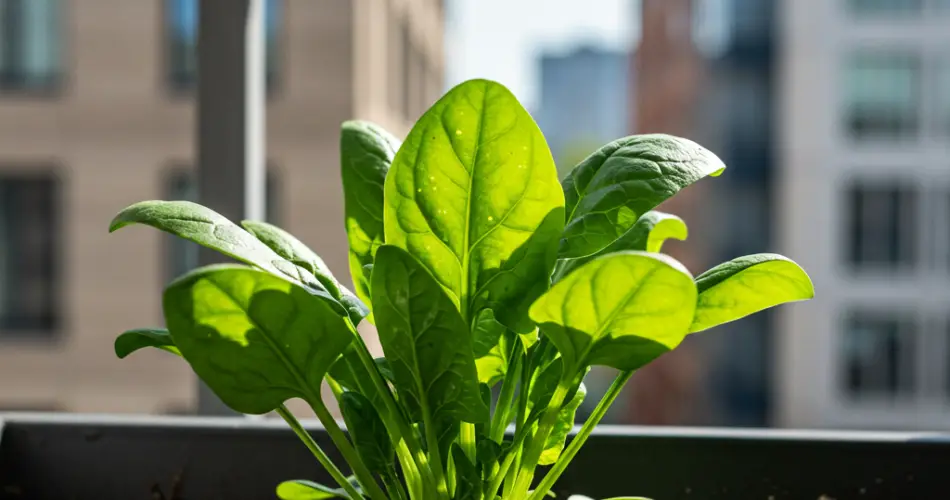
Imagine stepping out onto your balcony and harvesting fresh, nutrient-rich spinach leaves whenever you need them. Growing spinach in containers is easier than you might think, and it’s a perfect project for urban gardeners. Whether you live in an apartment or have limited outdoor space, these simple techniques will help you grow lush, green spinach that will impress your neighbors and boost your meals with homegrown goodness.
Why Grow Spinach on a Balcony?
Spinach is a fast-growing leafy green that doesn’t require much space, making it ideal for container gardening. It thrives in cool to mild temperatures, grows well in partial shade, and can be harvested multiple times throughout the season. With the right care, even a small balcony can produce a continuous supply of fresh spinach.
Choosing the Right Container
To grow spinach successfully on your balcony, start by choosing a suitable container. A rectangular box or round pot that is at least 15–20 cm (6–8 inches) deep works well. You can also use recycled containers like crates, buckets, or grow bags—as long as they have drainage holes at the bottom.
Spinach roots are shallow, so depth isn’t as critical as width. A wider container allows you to grow more plants and get a better harvest from the same space.
The Ideal Soil Mix
Spinach prefers loose, fertile, and well-draining soil. A good potting mix for spinach includes equal parts of garden soil, compost, and cocopeat or perlite. This mix retains moisture while still draining well, preventing root rot.
Before planting, enrich the soil with a handful of aged compost or organic fertilizer to give your spinach a healthy start.
When and How to Plant
Spinach grows best in cool weather. In most climates, you can plant it in early spring and again in autumn. On a balcony, you may even get away with summer planting if your space is shaded during the hottest part of the day.
You can grow spinach from seeds or transplants. To start from seed, sow them about 1 cm (half an inch) deep and 5 cm (2 inches) apart. Water gently and keep the soil consistently moist until the seeds germinate, which usually takes 5–10 days.
As the seedlings grow, thin them out to leave about 10–15 cm (4–6 inches) between plants to give each one enough space to develop strong, leafy growth.
Sunlight and Temperature
Spinach enjoys cool weather and performs best in temperatures between 10°C and 24°C (50°F to 75°F). Choose a spot on your balcony that receives at least 4–6 hours of sunlight daily. If your balcony gets full sun all day, provide some light shade during the hottest part of the afternoon to prevent the plants from bolting (going to seed too early).
In warmer regions or during summer months, consider using shade cloth or positioning the container behind taller plants to offer some protection from intense heat.
Watering and Feeding
Spinach needs consistent moisture to thrive. Water your containers regularly to keep the soil evenly moist, but avoid overwatering, which can cause root problems. In hot weather, you may need to water daily; in cooler months, every other day may suffice.
Feed your spinach every two to three weeks with a diluted organic liquid fertilizer or compost tea. A nitrogen-rich feed will encourage lush, leafy growth.
Pest Control and Maintenance
Spinach is relatively low-maintenance, but it can attract pests like aphids and leaf miners. Inspect your plants regularly and remove any pests by hand or with a gentle spray of neem oil. Keep your balcony tidy and avoid overwatering to reduce the risk of disease.
Remove any yellowing or damaged leaves to keep your plants healthy and vigorous. Spinach grows quickly, so keeping up with maintenance ensures you’ll get the most out of your space.
Harvesting Your Spinach
One of the joys of growing spinach on your balcony is that you can harvest it multiple times. Once the leaves are big enough to eat—usually about 4–6 weeks after planting—cut the outer leaves with scissors, leaving the central growth intact. This encourages the plant to continue producing new leaves.
You can also do a full harvest by cutting all the leaves about 2 cm (an inch) above the soil. With good care, the plant may regrow, especially in cooler weather.
A Green Oasis at Home
Growing spinach on your balcony is more than just gardening—it’s a lifestyle upgrade. Fresh, homegrown greens not only taste better but are also free from pesticides and plastic packaging. With just a few containers and a bit of care, you can turn your balcony into a productive, eco-friendly oasis that will have your neighbors admiring your green thumb.
You don’t need a big yard or years of experience to grow your own food. With the right setup, even a small balcony can produce beautiful, delicious spinach that adds freshness to your meals and pride to your home. Try it once, and you’ll be hooked on balcony gardening for life.


