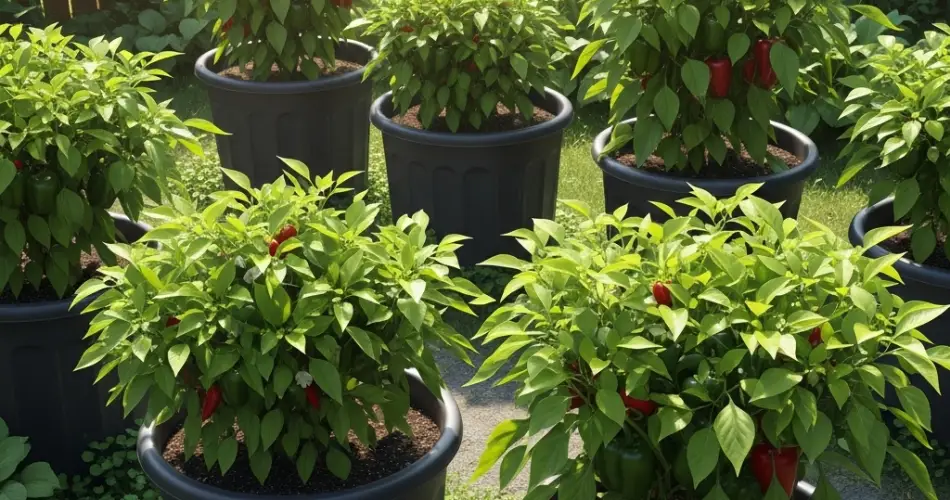
Bell peppers are colorful, crisp, and full of flavor—perfect for salads, stir-fries, and countless dishes. Fortunately, you don’t need a garden bed to enjoy homegrown peppers. With just a container, quality soil, and the right care, you can grow beautiful, healthy bell peppers on a balcony, patio, or even a sunny windowsill.
Container gardening gives you more control over growing conditions and is ideal for urban spaces or small yards. Here’s a complete guide to help you grow bell peppers in containers successfully and enjoy a generous harvest from just a few pots.
Why Grow Bell Peppers in Containers?
Bell peppers grow well in pots because they prefer warm soil and consistent moisture—conditions that are easier to manage in containers. Some key advantages of container growing include:
-
Space efficiency: Great for balconies, decks, patios, and apartment living.
-
Mobility: Easily move plants to catch more sun or avoid bad weather.
-
Better pest control: Containers reduce the risk of soil-borne pests and diseases.
-
Ideal for warm climates: The soil in containers warms up faster, helping peppers grow stronger and faster.
Choosing the Right Variety
Compact and high-yielding bell pepper varieties perform best in containers. Some popular container-friendly choices include:
-
California Wonder: A classic sweet bell pepper variety with thick walls and excellent flavor.
-
Mini Bell Peppers: Small, sweet, and perfect for limited space.
-
Gypsy Peppers: Mild, productive, and well-suited for pots.
-
Lunchbox Peppers: Bright-colored, snack-sized peppers ideal for containers.
Choose disease-resistant hybrids if possible, and select based on your climate and taste preference.
What You’ll Need
Before you begin, gather the following:
-
A large container (at least 25–30 cm deep and wide, or 10–12 inches)
-
High-quality potting mix (lightweight and well-draining)
-
Bell pepper seedlings (or start from seeds indoors)
-
Organic compost or slow-release fertilizer
-
Stakes or cages (for support)
-
Watering can or hose with a gentle nozzle
Preparing the Container
-
Select the Pot: Use containers made of plastic, clay, or fabric grow bags. Make sure there are adequate drainage holes at the bottom to prevent waterlogging.
-
Fill with Soil: Use a nutrient-rich potting mix blended with compost or aged manure. Avoid using garden soil, which is too heavy and may retain too much moisture.
-
Pre-moisten the Soil: Lightly moisten the soil before planting to help the roots settle in comfortably.
Planting Bell Peppers
-
Seedlings or Seeds: If starting from seeds, sow them indoors 6–8 weeks before the last expected frost. Once seedlings are 15–20 cm tall and have a few sets of true leaves, they can be transplanted into containers.
-
Spacing: For one standard-size container, plant one seedling per pot. Crowding can lead to poor airflow and smaller fruit.
-
Planting Depth: Set the seedling at the same depth as it was in its original container. Firm the soil gently around the base.
-
Water Thoroughly: Give the plant a deep watering right after planting to help establish the roots.
Light and Temperature Requirements
Bell peppers need at least 6–8 hours of direct sunlight per day. Place your containers in the sunniest spot available—south-facing balconies or patios are ideal.
Peppers prefer temperatures between 21–29°C (70–85°F) during the day and no lower than 13°C (55°F) at night. If temperatures drop, consider moving containers indoors or using a cloche or row cover to protect the plants.
Ongoing Care
-
Watering: Peppers prefer evenly moist soil. Water when the top 2–3 cm of soil feels dry. In hot weather, daily watering may be necessary.
-
Feeding: Apply a balanced liquid fertilizer every 2–3 weeks, or mix slow-release fertilizer into the soil during planting. During flowering and fruiting, switch to a fertilizer higher in phosphorus and potassium.
-
Mulching: Add a layer of straw or dry leaves to help retain moisture and keep the roots cool.
-
Support: As the plants grow and start producing fruit, use a stake or tomato cage to prevent stems from bending or breaking under the weight.
Flowering and Pollination
Bell peppers produce small white flowers before fruit sets. In outdoor environments, bees and other insects take care of pollination. Indoors or on covered balconies, gently shake the plant or use a soft paintbrush to transfer pollen from flower to flower.
Common Issues and Troubleshooting
-
Blossom End Rot: Caused by inconsistent watering or calcium deficiency. Keep soil evenly moist and avoid allowing it to dry out completely.
-
Aphids or Spider Mites: Wipe off with a damp cloth or use insecticidal soap or neem oil spray.
-
Leaf Drop: Usually due to sudden temperature changes or overwatering. Ensure stable growing conditions and avoid soggy soil.
Harvesting Bell Peppers
Peppers can be harvested when they reach full size and desired color. Green peppers are immature but edible; letting them mature longer produces sweeter red, yellow, or orange fruits.
Use scissors or pruners to cut the fruit, leaving a short stem attached. This avoids damaging the plant and encourages continued production.
Final Thoughts
Growing bell peppers in containers is a practical and productive way to enjoy fresh vegetables at home. With the right container, plenty of sun, and consistent care, you can harvest vibrant, flavorful peppers all season long—without needing a traditional garden bed. Whether you’re a beginner or a seasoned home grower, container-grown bell peppers are a colorful and satisfying addition to your home garden.


