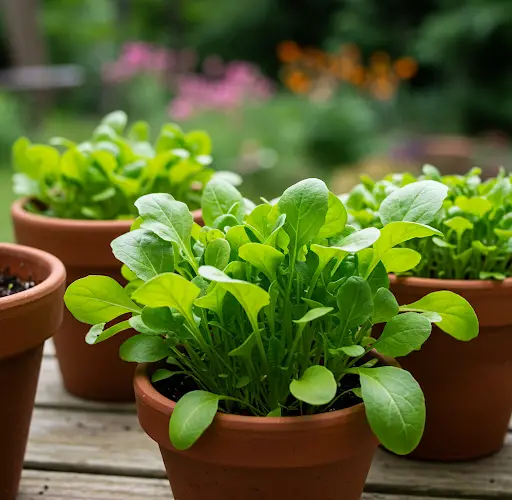
Arugula, also known as rocket, is a fast-growing, leafy green with a spicy, peppery flavor that adds zest to salads, sandwiches, and garnishes. This cool-season crop is perfect for container gardening, making it an ideal choice for small spaces like balconies, patios, or windowsills. Growing arugula from seed in containers is a simple and rewarding gardening project that can yield fresh, flavorful greens in just a few weeks.
In this guide, you’ll learn how to successfully grow arugula from seed in containers, including everything from soil preparation to harvesting.
1. Choosing the Right Container
Arugula has a shallow root system, making it an excellent plant for containers. However, it’s important to choose a container that provides enough space for the plant to grow properly.
Recommended container size:
-
A 6-8 inch deep container with a diameter of about 12 inches is sufficient for growing arugula. For multiple plants, choose a larger container to allow for spacing.
-
Ensure the container has good drainage holes to prevent waterlogging, which can lead to root rot.
Consider using fabric pots or plastic containers with drainage holes for better root development and soil aeration.
2. Choosing the Right Soil
Arugula thrives in well-draining, nutrient-rich soil. It prefers slightly acidic to neutral soil (pH between 6.0 and 7.0). For best results, use a high-quality potting mix combined with organic matter like compost.
Soil preparation:
-
Fill your container with a lightweight, well-draining potting mix.
-
Mix in a handful of compost or organic matter to provide nutrients for healthy growth.
-
Ensure the soil is loose and airy, which helps prevent the roots from becoming compacted.
Arugula grows best in moist but well-drained soil, so it’s crucial to maintain proper soil moisture without over-watering.
3. Sowing Arugula Seeds
Arugula seeds are small, so be sure to handle them gently when sowing. This leafy green grows quickly, so starting from seed is both cost-effective and easy.
Sowing instructions:
-
Sow seeds directly into the container, spacing them about 1 inch apart.
-
Cover the seeds with a thin layer of soil (about 1/4 inch deep).
-
Gently water the soil after planting to settle the seeds.
-
Place the container in a sunny location with at least 4–6 hours of direct sunlight per day.
Arugula grows well in cooler weather and is best planted in early spring or late fall, depending on your local climate. The ideal temperature for germination is around 55-65°F (13-18°C).
Seeds typically germinate in 5-7 days, but germination time can vary based on the temperature and moisture levels.
4. Watering and Fertilizing
Arugula requires consistent moisture, but it does not like to sit in soggy soil. The goal is to keep the soil evenly moist without overwatering, which can cause root rot or disease.
Watering tips:
-
Water the plant deeply, ensuring that moisture reaches the roots.
-
Keep the soil consistently moist, especially in dry or hot weather.
-
Water at the base of the plant to avoid getting the leaves wet, which can lead to fungal problems.
While arugula doesn’t require heavy fertilization, it benefits from occasional feeding to boost growth.
Fertilizing:
-
Use a balanced liquid fertilizer every 3-4 weeks to encourage healthy growth.
-
You can also top-dress the soil with compost to provide slow-release nutrients.
-
Be careful not to over-fertilize, as this can result in excessive leaf growth with reduced flavor.
5. Thinning and Spacing
Once your arugula seedlings have developed a couple of sets of true leaves, it’s time to thin them out. This ensures each plant has enough space to grow without competing for resources.
How to thin:
-
Leave the strongest seedlings, spacing them about 6-8 inches apart for optimal growth.
-
Gently pull out the weaker plants or cut them at soil level with scissors to avoid disturbing the remaining roots.
Thinning promotes better airflow, reduces the risk of disease, and ensures healthy, flavorful leaves.
6. Temperature and Light Requirements
Arugula prefers cooler temperatures and will bolt (go to seed) quickly if exposed to heat. It thrives best in spring or fall, with daytime temperatures ranging between 55-70°F (13-21°C).
To extend the growing season, grow arugula in a partial shade area during the hottest months, or provide some afternoon shade to protect it from the intense midday sun.
7. Pest and Disease Control
Arugula is relatively pest-resistant, but it can sometimes fall prey to insects like aphids, leaf miners, or slugs. If you notice these pests, there are several organic methods you can use to control them.
Pest control tips:
-
Aphids: Spray with insecticidal soap or a solution of water and a few drops of dish soap to remove aphids.
-
Leaf miners: Remove and discard affected leaves to prevent the spread of leaf miner larvae.
-
Slugs and snails: Place beer traps or diatomaceous earth around the container to deter slugs and snails.
To prevent disease, ensure the plants have proper airflow and avoid watering from above, which can promote fungal growth.
8. Harvesting Arugula
One of the best things about growing arugula is how quickly it matures. You can begin harvesting the leaves as soon as they are large enough to eat, typically within 4-6 weeks from sowing.
Harvesting tips:
-
For cut-and-come-again harvesting, cut the outer leaves of the plant when they reach 3-4 inches long, leaving the inner leaves to continue growing.
-
If you prefer, you can harvest the entire plant once it has reached a good size.
-
Arugula is best eaten fresh, but you can also refrigerate the leaves for a few days to maintain their freshness.
9. Final Tips for Growing Arugula in Containers
-
Container rotation: Rotate the container regularly to ensure even sunlight exposure for the plants.
-
Keep it cool: Since arugula thrives in cooler weather, consider planting it in early spring or fall for optimal growth.
-
Regular harvesting: Harvesting regularly encourages new growth, so you’ll have a continuous supply of fresh greens.
Conclusion
Growing arugula (rocket) in containers from seed is a simple and rewarding way to enjoy fresh, flavorful greens year-round. With the right care, you can easily grow this spicy green in small spaces, and harvest it within just a few weeks. Whether in salads, sandwiches, or as a garnish, arugula adds a kick to any dish, and growing it at home ensures that it’s always fresh and organic.


