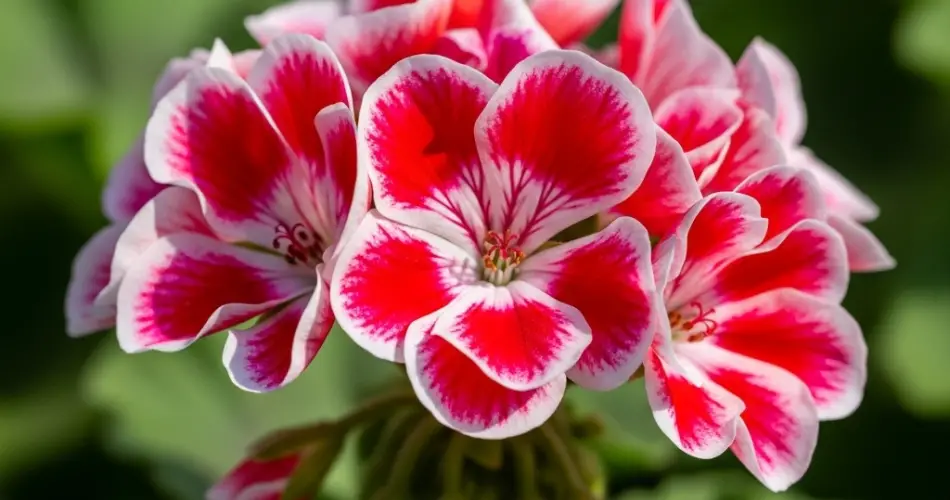
Zonal geraniums (Pelargonium × hortorum) are among the most popular flowering plants for balconies, patios, and gardens. Known for their vibrant blooms and long flowering season, these geraniums are not only beautiful but also relatively easy to grow — even from seed.
While many gardeners choose to buy young plants, starting zonal geraniums from seed is a rewarding and cost-effective way to produce strong, healthy plants. With the right steps, you can germinate geranium seeds quickly and successfully at home. Here’s how to do it, along with all the care tips to ensure your geraniums thrive.
What Are Zonal Geraniums?
Zonal geraniums are characterized by their rounded leaves with a darker “zone” or ring in the center, and their bright, clustered flowers in red, pink, white, or purple. Unlike perennial varieties, these geraniums are often grown as annuals in cooler climates or as perennials in mild and frost-free areas.
When to Sow Geranium Seeds
Geraniums take longer to grow from seed than many other flowers, so timing is important.
-
Best time to start indoors: Late winter to early spring (January to March in most climates)
-
Plants take 12 to 16 weeks to grow from seed to transplant-ready size
-
Starting early ensures flowering begins in late spring or early summer
Materials You’ll Need
To germinate geranium seeds successfully, gather the following:
-
Geranium (zonal) seeds
-
Seed starting tray or small pots
-
Seed starting mix (light, sterile, and well-draining)
-
Transparent plastic cover or plastic wrap
-
Spray bottle or gentle watering can
-
Heat mat (optional but helpful)
-
Bright indirect light source or grow light
Step-by-Step: How to Germinate Geranium Seeds Quickly
1. Soak the Seeds (Optional but Recommended)
Geranium seeds have a hard outer shell. Soaking them in warm water for 12–24 hours can soften the coat and speed up germination.
2. Prepare the Seed Trays
Fill seed trays or small pots with a moist seed-starting mix. Avoid using garden soil, as it may compact too much or carry pathogens.
3. Sow the Seeds
-
Place one seed per cell or pot, about 0.5 cm (1/4 inch) deep.
-
Gently cover with a thin layer of the seed mix.
-
Lightly mist the surface with water.
4. Create a Warm, Humid Environment
-
Cover the trays with a transparent plastic lid or plastic wrap to maintain humidity.
-
Keep the soil temperature between 21–24°C (70–75°F) for optimal germination.
-
A heat mat can be used to maintain consistent warmth.
5. Light and Monitoring
-
Keep the trays in a bright area, but out of direct sunlight until germination occurs.
-
Alternatively, use grow lights for 12–14 hours per day.
-
Check daily to ensure the soil remains moist but not soggy.
6. Germination Time
-
Seeds typically germinate within 7–14 days, though some may take a bit longer.
-
As soon as you see seedlings, remove the plastic cover to allow airflow and prevent damping-off disease.
Post-Germination Care
Once the seedlings have emerged, follow these steps to help them grow strong:
1. Lighting
Move the seedlings to a bright location with indirect sunlight or under grow lights. Insufficient light can cause leggy, weak growth.
2. Watering
Water sparingly. Allow the top layer of soil to dry slightly between waterings. Avoid splashing water on the leaves.
3. Thinning or Transplanting
When seedlings develop their second set of true leaves, you can:
-
Thin them by snipping the weaker seedling at the base
-
Or transplant them into larger individual pots if grown in clusters
Hardening Off and Transplanting Outdoors
Before moving your geraniums outdoors, you must harden them off:
-
Start about 7–10 days before transplanting.
-
Place the plants outside for increasing amounts of time each day.
-
Protect them from wind and strong sun initially.
Transplant into pots, flower beds, or window boxes after the last frost has passed. Choose a location with full sun for best flowering.
Ongoing Geranium Care Tips
-
Watering: Keep soil evenly moist but allow the surface to dry between waterings.
-
Fertilizer: Feed every 2–4 weeks with a balanced, water-soluble fertilizer.
-
Pruning: Pinch back leggy stems to encourage bushier growth.
-
Deadheading: Remove spent flowers to promote continuous blooming.
-
Pests: Watch for aphids, whiteflies, and spider mites. Use neem oil or insecticidal soap if needed.
Common Germination Issues
-
No germination: Likely due to low temperature, poor seed quality, or old seeds.
-
Mold or fungus: Caused by excess moisture and poor air circulation. Use a sterile mix and remove plastic covers after sprouting.
-
Leggy seedlings: A sign of insufficient light. Increase light exposure or move seedlings closer to your grow light.
Final Thoughts
Germinating zonal geraniums from seed is a fulfilling process that allows you to grow your plants from the very beginning. With proper timing, warmth, and patience, you’ll be rewarded with robust, colorful geraniums that brighten any space.
Once established, geraniums are low-maintenance, long-blooming, and can even be overwintered indoors in colder climates. Whether you’re starting a flower garden or decorating your balcony, these versatile plants are a wonderful choice for beginner and experienced gardeners alike.


