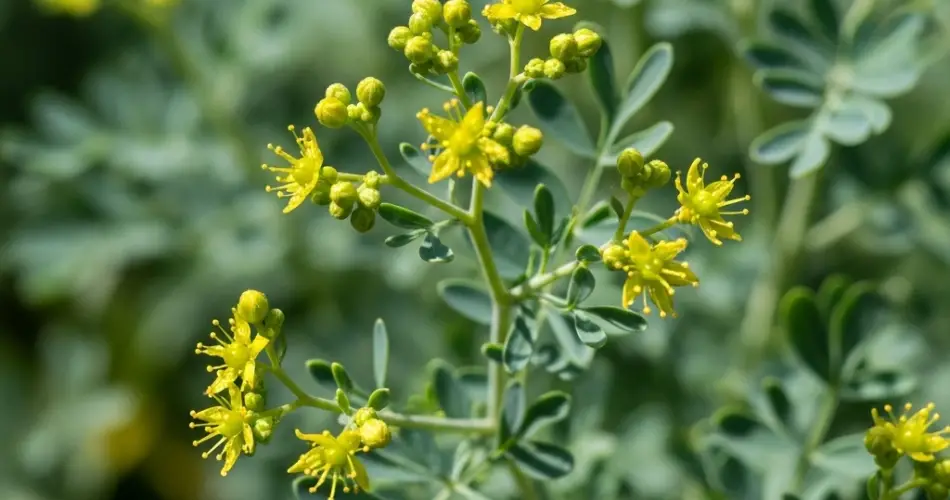
Rue (Ruta graveolens) is a hardy, aromatic herb known for its medicinal, spiritual, and ornamental uses. With its small yellow flowers and lacy blue-green leaves, rue is not only a striking addition to gardens but also a traditional plant believed to ward off negative energy and attract protection.
However, many people struggle to keep rue healthy, wondering why it begins to wilt, dry out, or even die, despite being considered a tough plant. The truth is that rue, like all plants, has specific care needs — and when these aren’t met, the plant shows signs of stress.
If your rue is wilting, drying from the tips, or turning brown, here are the most common causes — and how to fix them.
1. Overwatering or Poor Drainage
Despite its hardy appearance, rue does not tolerate waterlogged soil. In fact, overwatering is one of the main reasons rue plants begin to rot, wilt, or die.
Signs of overwatering:
-
Yellowing or soft leaves
-
Mold or fungus on the soil
-
Base of the stem turning black or mushy
-
Drooping even when the soil is moist
What to do:
-
Make sure the plant is in well-draining soil, ideally sandy or rocky.
-
If in a pot, ensure there are drainage holes.
-
Only water when the top 3–5 cm (1–2 inches) of soil feels completely dry.
-
In humid or rainy seasons, reduce watering frequency.
2. Underwatering or Extreme Heat
While rue is drought-tolerant, long periods without water during hot weather can cause it to dry out from the tips or show crispy, brown leaves.
Signs of underwatering:
-
Leaves curling or browning from the edges
-
Droopy, lifeless foliage that perks up after watering
-
Extremely dry or cracked soil
What to do:
-
Water deeply but infrequently.
-
Mulch the soil to retain moisture in very hot climates.
-
Water during early morning or late afternoon to avoid rapid evaporation.
3. Soil That’s Too Rich or Heavy
Rue naturally thrives in poor, slightly rocky soil. If planted in rich compost or dense clay, it may become weak, leggy, or more prone to rot.
What to do:
-
Avoid using high-nitrogen fertilizers or overly rich compost.
-
If needed, amend the soil with sand, perlite, or small stones to improve drainage and mimic its native environment.
4. Lack of Sunlight
Rue loves the sun. When grown in shady areas, it may become leggy, pale, or stop flowering.
Signs of insufficient light:
-
Sparse or stretched-out growth
-
Loss of color in leaves
-
Weak stems
What to do:
-
Ensure your rue gets at least 6 hours of direct sunlight per day.
-
If growing indoors, place near a bright south-facing window or supplement with a grow light.
5. Incorrect Pruning or No Pruning
Rue responds well to pruning, and not trimming it can lead to woody stems and poor air circulation, increasing the risk of disease or drying from the inside out.
What to do:
-
Prune lightly in spring or early summer to encourage bushy, healthy growth.
-
Remove dry or woody stems regularly.
-
Don’t prune too aggressively during fall or winter, as the plant needs energy to survive dormancy.
6. Pests or Fungal Diseases
While rue is known for its strong scent that repels many insects, it can still fall victim to aphids, spider mites, or fungal leaf spots if conditions are too moist or crowded.
What to do:
-
Space plants properly for air circulation.
-
Remove and dispose of affected leaves.
-
Use a natural insecticidal soap or neem oil if pests are visible.
-
Avoid overhead watering to reduce fungal risk.
7. Pot-Bound Roots
If your rue is in a container, check if it has become root-bound, meaning the roots are too tightly packed with little room to absorb nutrients or moisture.
What to do:
-
Repot the plant in a slightly larger container every 1–2 years.
-
Loosen the root ball gently during repotting and trim overly long roots if necessary.
Extra Tips for Growing Healthy Rue
-
Location: Rue thrives outdoors in sunny spots but can grow indoors in a sunny window.
-
Companion planting: Plant near roses, figs, or herbs like lavender to deter pests.
-
Caution: Rue can cause skin irritation in some people. Always wear gloves when handling it and keep it out of reach of children and pets.
Final Thoughts
Rue is a resilient, symbolic, and useful plant — but like any living thing, it needs the right environment to thrive. Drying leaves, wilting stems, or general decline are often signs of overwatering, lack of sun, or soil that’s too rich or moist.
By following these basic care guidelines and adjusting based on your climate and growing conditions, your rue plant can stay vibrant and healthy for years. Whether you’re growing it for its beauty, symbolism, or traditional uses, a well-cared-for rue is a true gem in any garden or home.


