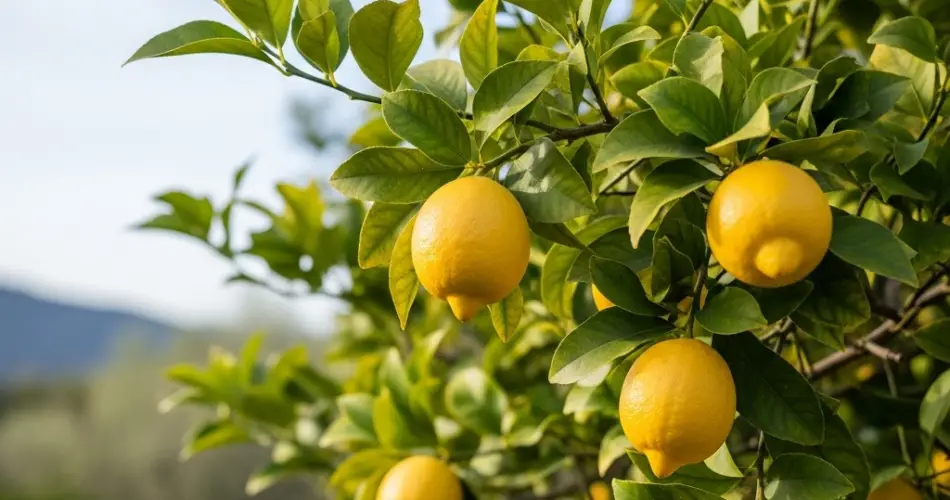
Growing a lemon tree from seed is a rewarding journey that brings fresh citrus right to your backyard or home garden. While many gardeners hesitate to start lemons from seed because of the time it can take to bear fruit, with the right approach, you can speed up growth and develop a stunning, healthy lemon tree in record time.
This guide will walk you through the essential steps to successfully grow a lemon tree from seed and achieve a beautiful, thriving plant faster than you might expect.
Why Grow a Lemon Tree from Seed?
Starting lemon trees from seed offers several advantages:
-
Cost-effective: Seeds are free or inexpensive compared to purchasing established plants.
-
Satisfaction: Watching a lemon tree grow from seed is a deeply rewarding experience.
-
Genetic diversity: Seed-grown trees may develop unique characteristics.
-
Learning opportunity: Growing from seed teaches you valuable gardening skills.
While seed-grown trees typically take longer to fruit than grafted ones, following the right methods can significantly reduce this timeline.
Step 1: Selecting and Preparing Lemon Seeds
Begin with fresh, viable lemon seeds. Here’s how to get started:
-
Choose lemons that are ripe and healthy.
-
Extract seeds carefully, rinsing off any pulp.
-
Soak seeds in warm water for 8 to 12 hours to soften the seed coat, improving germination.
-
Optionally, gently nick the seed coat with a nail file or sandpaper to help the seed sprout faster.
Starting with healthy seeds increases your chances of success.
Step 2: Germinating Your Lemon Seeds
Proper germination is key to rapid growth.
-
Plant seeds about half an inch deep in seed-starting mix or well-draining potting soil.
-
Use small pots or seed trays to save space.
-
Keep the soil moist but not waterlogged.
-
Maintain a warm temperature around 70–75°F (21–24°C).
-
Cover the container with plastic wrap or a humidity dome to retain moisture.
-
Place the container in a bright area but avoid direct sunlight until seedlings emerge.
Seeds typically sprout within 2 to 4 weeks.
Step 3: Caring for Lemon Seedlings
Once the seedlings appear, care properly to encourage strong growth:
-
Remove the plastic cover to prevent fungal diseases.
-
Provide plenty of bright, indirect sunlight—ideally 10 to 12 hours per day. Use grow lights if natural light is insufficient.
-
Keep the soil consistently moist, watering when the top inch feels dry.
-
Once seedlings develop their second set of true leaves, start feeding with a diluted, balanced liquid fertilizer every 2 to 3 weeks.
-
Transplant seedlings into larger pots when they outgrow their containers.
Healthy seedlings set the stage for a vigorous tree.
Step 4: Transplanting and Pruning for Faster Growth
To develop a stunning lemon tree faster, transplanting and pruning are crucial:
-
Move your lemon tree outdoors or to a larger pot with nutrient-rich, well-draining soil once it reaches 6–12 inches tall.
-
Choose a sunny location that receives at least 6 hours of direct sunlight daily.
-
Prune early by pinching off the top of the young tree to encourage bushier growth rather than leggy stems.
-
Remove weak or crowded branches to improve air circulation and light penetration.
-
Support the tree with stakes if needed to encourage upright growth.
Proper care after transplanting accelerates size and health.
Step 5: Fertilizing and Watering for Optimal Growth
Feeding your lemon tree well helps it reach stunning maturity sooner:
-
Use a citrus-specific fertilizer high in nitrogen, phosphorus, and potassium.
-
Fertilize every 6 weeks during the growing season (spring and summer).
-
Water deeply but allow the soil to dry slightly between waterings.
-
Mulch around the base of the tree to retain moisture and regulate soil temperature.
-
Avoid overwatering, which can cause root rot and stunt growth.
Consistent feeding and watering maintain vigorous development.
Step 6: Managing Pests and Diseases
Keeping your lemon tree healthy ensures faster growth:
-
Watch for common pests such as aphids, scale insects, and spider mites. Use insecticidal soap or neem oil to control infestations.
-
Prevent fungal diseases by ensuring good air circulation and avoiding overhead watering.
-
Inspect leaves regularly for signs of stress or damage.
Prompt pest and disease management prevents growth setbacks.
Step 7: Encouraging Early Flowering and Fruiting
Although seed-grown lemon trees take time to bear fruit, you can encourage earlier flowering:
-
Ensure the tree gets full sun daily.
-
Avoid excessive nitrogen fertilizer, which promotes foliage over flowers.
-
Provide proper pruning to stimulate flower bud development.
-
Maintain steady watering without drought stress.
Early flowers eventually lead to fruit, adding beauty and utility to your tree.
Final Tips to Grow a Stunning Lemon Tree Fast
-
Use grow lights indoors during low-light seasons to keep growth steady.
-
Maintain consistent warmth as lemon trees thrive in temperatures between 70–85°F (21–29°C).
-
Avoid transplant shock by gradually acclimating outdoor plants to direct sunlight.
-
Be patient but proactive: Healthy growth requires care, but with the right conditions, you can achieve impressive results sooner than usual.
Conclusion
Growing a lemon tree from seed to a stunning, thriving plant may seem daunting, but it is entirely achievable with dedication and the right techniques. By starting with quality seeds, providing optimal conditions, and carefully managing care through each growth stage, you can significantly shorten the time it takes to enjoy a beautiful lemon tree in your garden.
Whether you want fresh lemons for cooking, aromatic blossoms, or just a vibrant addition to your outdoor space, growing your own lemon tree from seed offers lasting satisfaction and beauty.
Begin your lemon-growing journey today and watch your seed transform into a stunning citrus tree in record time!


