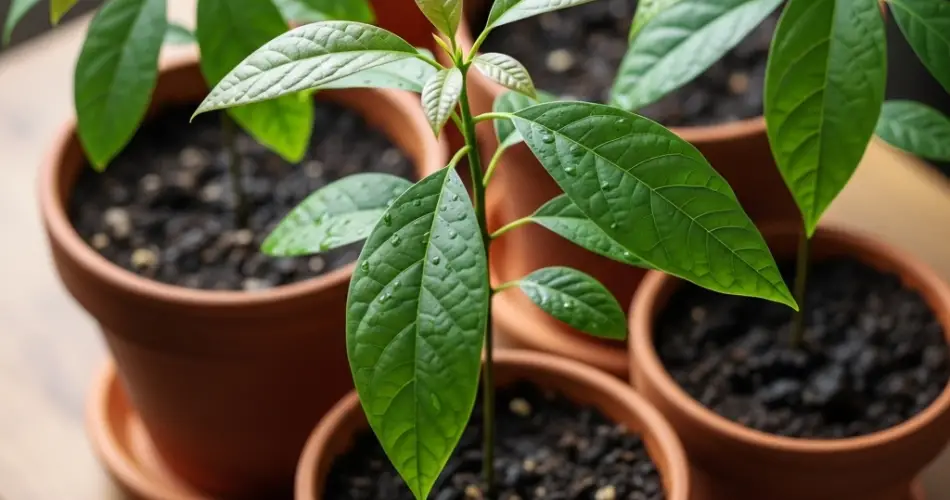
Avocado is a beloved fruit worldwide, famous for its creamy texture, rich flavor, and numerous health benefits. While many people enjoy eating avocados, fewer realize how easy it is to nurture an avocado plant at home—even if you have no gardening experience. Growing your own avocado tree can be a fun and rewarding project that adds greenery to your space and potentially yields fresh avocados over time.
This guide will take you step-by-step through nurturing an avocado plant from seed to a healthy young tree, all without complicated gardening skills.
Why Grow Avocado at Home?
Growing avocado offers many benefits:
-
Satisfaction: Watching a seed grow into a thriving plant is deeply fulfilling.
-
Decoration: Avocado trees make attractive indoor or outdoor plants with large, glossy leaves.
-
Health: Homegrown avocados are fresh and free from harmful chemicals.
-
Sustainability: Growing your own reduces reliance on store-bought fruit and packaging waste.
Best of all, nurturing avocado is accessible to beginners with simple care routines.
Step 1: Preparing Your Avocado Seed
Start by selecting a ripe avocado and removing the large seed from the fruit.
-
Rinse the seed gently with water to remove any leftover flesh.
-
Identify the top (pointier end) and the bottom (flatter end) of the seed.
-
Insert three or four toothpicks into the middle of the seed at a slight downward angle, evenly spaced around the circumference. These will suspend the seed over water.
-
Fill a glass with water and place the seed so that the bottom half is submerged while the toothpicks rest on the rim.
Step 2: Germinating the Avocado Seed
-
Place the glass in a warm, bright location but avoid direct sunlight.
-
Change the water every 2-3 days to keep it fresh and prevent mold growth.
-
In 2-6 weeks, you’ll notice roots growing downward and a sprout emerging from the top.
-
Once the sprout reaches 6-7 inches tall, cut it back to about 3 inches to encourage stronger root growth.
Step 3: Transplanting to Soil
When your seedling is sturdy and has developed roots about 2-3 inches long, it’s time to move it into soil.
-
Choose a pot at least 8-10 inches wide with drainage holes.
-
Fill the pot with a loose, well-draining potting mix rich in organic matter.
-
Plant the seedling with the top half of the seed exposed above the soil.
-
Water the soil lightly until moist but avoid waterlogging.
Step 4: Providing the Ideal Growing Environment
Avocado plants prefer warm temperatures and bright light.
-
Place your pot near a sunny window that receives 6-8 hours of indirect sunlight daily.
-
If natural light is limited, supplement with a grow light.
-
Maintain temperatures ideally between 60°F and 85°F (15°C to 29°C).
-
Avoid cold drafts or sudden temperature changes.
Step 5: Watering Your Avocado Plant
Proper watering is crucial for healthy growth.
-
Water your plant when the top 1-2 inches of soil feel dry to the touch.
-
Water thoroughly until excess drains out the bottom.
-
Avoid letting the plant sit in standing water, which can cause root rot.
-
During winter, reduce watering frequency as growth slows.
Step 6: Feeding Your Avocado Plant
Fertilizing supports robust growth.
-
Use a balanced, water-soluble fertilizer once a month during the growing season.
-
Organic options like compost tea or diluted fish emulsion work well.
-
Avoid over-fertilizing, which can damage roots and cause leaf burn.
Step 7: Pruning and Maintenance
-
Prune the plant to encourage bushier growth by pinching back the top leaves regularly.
-
Remove any yellow or damaged leaves to keep the plant healthy.
-
Repot your avocado plant every 1-2 years to refresh soil and allow room for roots to expand.
Step 8: Troubleshooting Common Issues
Even novice growers can encounter challenges:
-
Leaf yellowing: Often caused by overwatering or poor drainage.
-
Leaf drop: Can be a reaction to environmental stress like drafts or sudden temperature shifts.
-
Slow growth: Might indicate insufficient light or nutrients.
-
Pests: Watch for spider mites or scale insects and treat them promptly with insecticidal soap or neem oil.
Step 9: Patience and Long-Term Care
Growing an avocado tree to fruiting stage takes time—often several years—and patience is key.
-
Indoor plants may take longer to bear fruit or may never fruit without optimal conditions.
-
Outdoor plants in suitable climates have better chances of producing fruit.
-
Regardless, your avocado plant remains a beautiful, low-maintenance houseplant that enhances your living space.
Final Thoughts
Nurturing an avocado plant at home is an enjoyable and accessible gardening project, perfect for beginners. With simple steps—starting from seed germination to potting, watering, and care—you can grow a healthy avocado plant that brings life and greenery to your home.
Even if fruit production takes time, the lush foliage and natural charm of the avocado plant make it a valuable addition to your indoor garden. Start your avocado growing journey today and experience the joy of cultivating one of nature’s most delicious gifts.


