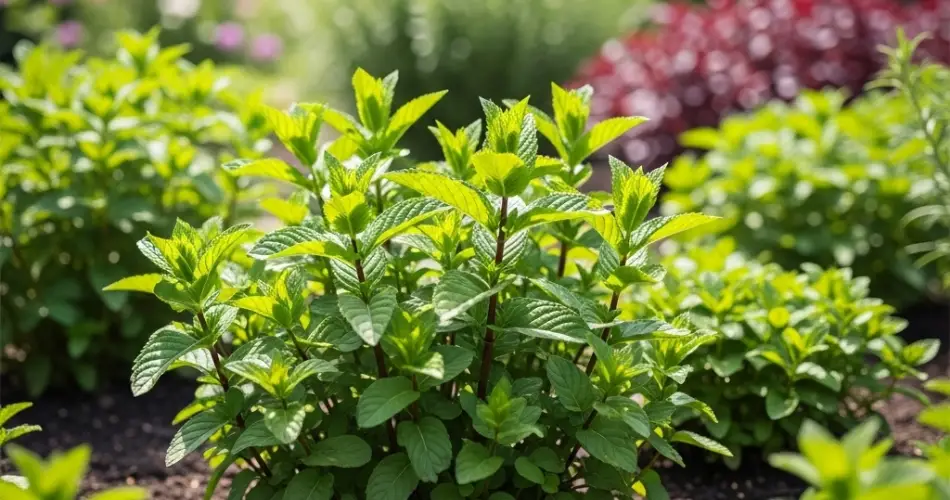
Mint is one of the most versatile and fragrant herbs you can grow in your garden. Its fresh aroma, ease of care, and wide range of uses—from culinary delights to natural remedies—make it a fantastic choice for beginners. Even if you have never tended a garden before, mint can be your gateway to successful gardening and can transform your outdoor or indoor space with its lush greenery and invigorating scent.
This article will guide you through the simple steps to grow, maintain, and enjoy mint, helping you add a refreshing touch to your garden without any previous gardening experience.
Why Choose Mint for Your Garden?
Mint offers many benefits that make it an ideal plant for novice gardeners:
-
Easy to grow: Mint is hardy and adapts well to various soil and light conditions.
-
Fast-growing: It spreads quickly, providing lush ground cover or container greenery in no time.
-
Culinary uses: Fresh mint leaves enhance teas, salads, desserts, and many dishes.
-
Medicinal properties: Mint has calming effects, aids digestion, and relieves headaches.
-
Pest repellent: Its aroma deters many common garden pests.
-
Indoor or outdoor growth: Mint thrives both in garden beds and pots on balconies or windowsills.
With all these advantages, mint is perfect for transforming your garden even if you’re a complete beginner.
Choosing the Right Variety of Mint
There are many types of mint to choose from, each with unique flavors and appearances. Common varieties include:
-
Spearmint: Mild flavor, commonly used in cooking and drinks.
-
Peppermint: Stronger menthol flavor, great for teas and medicinal uses.
-
Chocolate mint: Has a subtle chocolate aroma.
-
Apple mint: Fruity scent, ideal for refreshing beverages.
Select the variety that best suits your taste and intended use. You can also grow multiple types for variety.
How to Plant Mint Successfully
Mint is one of the easiest plants to start. You can grow it from seeds, cuttings, or nursery plants.
-
Starting from seeds: Sow seeds on the surface of moist soil and lightly press them in. Keep the soil consistently moist until germination.
-
From cuttings: Take a healthy stem cutting, remove lower leaves, and place it in water until roots develop, then transplant to soil.
-
From nursery plants: Buying established plants is the quickest way to start.
Choose a container or garden bed with well-draining soil. Mint prefers slightly acidic to neutral soil (pH 6.0 to 7.0) but is forgiving.
Planting Location and Soil Preparation
Mint grows well in partial shade to full sun but prefers some shade in very hot climates.
-
For garden beds, loosen the soil and mix in organic compost to enrich nutrients.
-
If planting in containers, use high-quality potting mix with good drainage.
-
Avoid planting mint directly in garden beds without barriers, as it spreads aggressively and can overtake other plants.
Using containers or garden edging helps contain mint’s growth and prevents it from taking over your garden.
Watering and Caring for Mint
Mint prefers moist soil but does not tolerate waterlogged roots.
-
Water regularly, especially during dry periods.
-
Mulch around the plant to retain moisture and reduce weeds.
-
Pinch off flower buds to encourage bushier growth and prevent the plant from going to seed too early.
-
Harvest leaves frequently to promote new growth.
Mint’s fast growth means you’ll soon have plenty of fresh leaves to enjoy.
Harvesting and Using Mint
Harvesting mint is easy and rewarding:
-
Pick leaves in the morning when oils are most concentrated.
-
Use scissors or pinch leaves off by hand.
-
Regular harvesting encourages the plant to produce more leaves.
-
You can dry mint leaves for later use by hanging them in a cool, dry place.
Mint is incredibly versatile—add it to teas, smoothies, salads, sauces, desserts, or use it fresh as a garnish. Its refreshing flavor also pairs well with fruits and cocktails.
Controlling Mint’s Spread
While mint is easy to grow, it can become invasive if not managed:
-
Plant mint in containers or use root barriers in garden beds.
-
Regularly trim runners and roots.
-
Divide plants every few years to keep them healthy and contained.
Managing mint’s growth ensures it enhances your garden without overwhelming it.
Benefits Beyond the Garden
Besides its culinary and aromatic uses, mint offers:
-
Natural pest control: Mint repels ants, mosquitoes, and aphids.
-
Attracts pollinators: Bees and butterflies are drawn to mint flowers.
-
Air freshener: The scent of mint leaves freshens the air in your home or garden.
These benefits make mint a valuable addition to any garden.
Final Tips for Beginners
-
Start with a small pot or section of your garden to get comfortable with mint’s growth habits.
-
Water consistently but avoid overwatering.
-
Use organic fertilizers if needed, but mint typically thrives with minimal feeding.
-
Enjoy experimenting with different varieties and uses.
Mint is forgiving and resilient, making it the perfect plant to build your gardening confidence.
Conclusion
Transforming your garden with mint is a simple, enjoyable project even for those with no gardening experience. Its ease of growth, delightful aroma, and numerous uses make it an essential herb for every garden.
By selecting the right variety, planting in suitable conditions, and providing consistent care, you will quickly enjoy a lush, fragrant mint garden that enhances your outdoor or indoor space.
Start growing mint today and discover how this humble herb can bring freshness, flavor, and life to your garden with minimal effort!


