If you’ve struggled with keeping plants alive in the past, you’re not alone. Anthurium, also known as the flamingo flower, is a stunning tropical houseplant prized for its shiny, heart-shaped leaves and vibrant, waxy flowers. The good news? Anthuriums are surprisingly forgiving and can thrive with some simple care, even if you’re a beginner who’s lost plants before. This guide will help you develop healthy, thriving anthurium plants with easy-to-follow tips and tricks.
Understanding Anthurium Basics
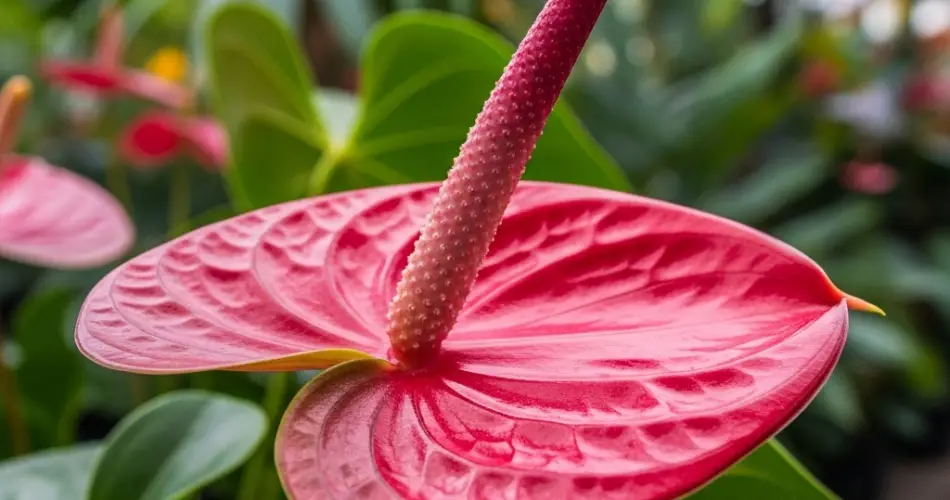
Anthuriums are tropical plants native to Central and South America. Their signature look comes from their glossy, dark green foliage and bright red, pink, white, or purple spathes (the modified leaf that looks like a flower petal). The actual flowers are tiny and clustered on the spadix, the spike in the center.
While they may seem delicate, anthuriums can adapt well to indoor conditions and bring a pop of color to your home all year round if cared for properly.
Choosing the Right Anthurium
When buying an anthurium, select one with:
-
Healthy, shiny leaves without spots or yellowing.
-
Bright, intact spathes.
-
Firm stems and no signs of wilting or pests.
Avoid plants with brown leaf edges or mushy stems, as these can indicate poor health.
Potting and Soil Requirements
Anthuriums need a well-draining, airy soil mix that mimics their natural environment—forest floors with lots of organic matter.
-
Use a potting mix designed for orchids or aroid plants.
-
Alternatively, create your own by mixing equal parts of peat moss, pine bark, and perlite.
-
Choose a pot with drainage holes to prevent waterlogging.
Good drainage is critical because standing water leads to root rot, a common killer of anthuriums.
Light Conditions
Anthuriums prefer bright, indirect light.
-
Avoid direct sunlight, which can scorch leaves and flowers.
-
Place near east or north-facing windows or a few feet away from a south-facing window with filtered light.
-
Too little light slows growth and reduces flowering, while too much causes leaf burn.
If natural light is limited, supplement with fluorescent grow lights for about 12-14 hours daily.
Watering Tips
Watering is often where beginners go wrong, but with a few simple rules, it’s easy to get right:
-
Water when the top inch of soil feels dry.
-
Use room-temperature water and water thoroughly, allowing excess to drain out.
-
Avoid letting the plant sit in standing water.
-
Reduce watering during winter when growth slows.
Anthuriums like humidity, so mist leaves regularly or place a humidifier nearby, especially in dry indoor environments.
Feeding Your Anthurium
Feed your plant monthly during the growing season (spring and summer) with a balanced, water-soluble fertilizer diluted to half strength.
-
A fertilizer high in phosphorus encourages more blooms.
-
Avoid over-fertilizing, which can cause salt build-up and leaf damage.
Temperature and Humidity
Anthuriums thrive in warm, humid environments:
-
Ideal temperature range is 65-80°F (18-27°C).
-
Avoid drafts, sudden temperature drops, or placing near heating vents.
-
Maintain humidity levels around 60-80%. Use a humidity tray, pebble tray, or group plants together to boost humidity naturally.
Repotting
Repot your anthurium every 2-3 years or when it becomes root-bound.
-
Choose a pot one size larger.
-
Refresh soil with new potting mix.
-
Handle roots gently to avoid damage.
Repotting also gives you a chance to check for root rot or pests.
Common Problems and How to Fix Them
-
Yellow Leaves: Often caused by overwatering or poor drainage. Check soil moisture and improve drainage.
-
Brown Leaf Tips: Usually from low humidity or inconsistent watering. Increase humidity and water regularly.
-
Lack of Flowers: Could be due to insufficient light or nutrients. Move to a brighter spot and feed regularly.
-
Pests: Watch for aphids, spider mites, or mealybugs. Wipe leaves with soapy water or use insecticidal soap.
Propagating Anthuriums
Propagation can be done through division or stem cuttings:
-
Division is easiest—carefully separate root clumps during repotting.
-
Stem cuttings with aerial roots can be rooted in water or moist soil.
Propagating your own plants helps grow your collection and share with friends.
Final Thoughts
Growing anthuriums doesn’t have to be intimidating—even for beginners who have “black thumbs.” With attention to light, watering, humidity, and soil, these beautiful plants can thrive and bring lasting color and life to your home. Start with healthy plants, give them the right environment, and watch as your anthurium rewards you with vibrant foliage and stunning blooms.


