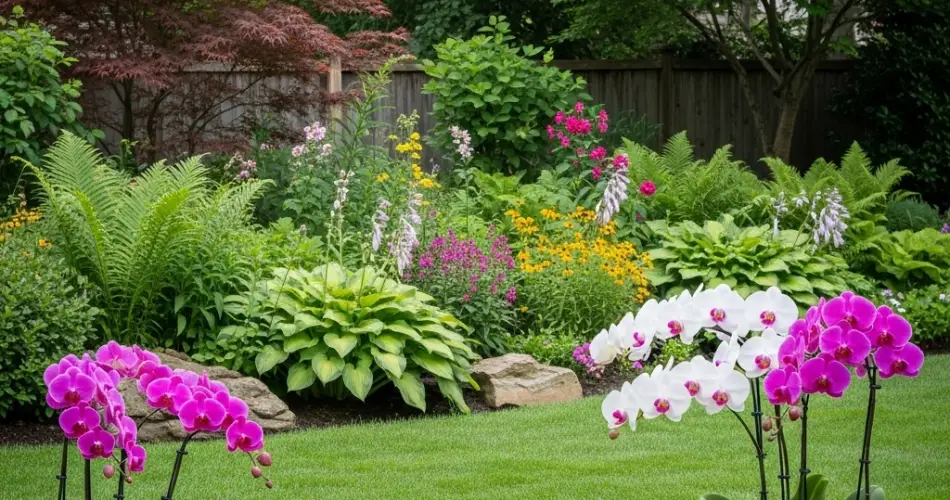
Orchids are among the most elegant and exotic plants you can grow, admired for their intricate flowers and long-lasting blooms. While many believe orchids are difficult to cultivate, growing them in your backyard can be surprisingly simple and rewarding with the right approach. This article will guide you step-by-step on how to develop orchids in your backyard with zero hassle, so even beginners can enjoy these stunning plants.
Why Grow Orchids in Your Backyard?
Orchids add a touch of tropical beauty and sophistication to any garden. Besides their aesthetic appeal, they can:
-
Enhance your garden’s biodiversity.
-
Attract pollinators like bees and butterflies.
-
Provide a satisfying gardening experience with minimal maintenance.
With modern orchid varieties and suitable growing conditions, you don’t need a greenhouse or expert skills to nurture them outdoors.
Selecting the Right Orchids for Outdoor Growth
Choosing the right orchid species is key to hassle-free backyard cultivation.
-
Phalaenopsis (Moth Orchids): Known for their large, colorful flowers and tolerance for partial shade, they thrive outdoors in mild climates.
-
Dendrobium: These orchids enjoy bright light and moderate temperatures, suitable for many backyard environments.
-
Cattleya: Famous for their fragrant, showy blooms, they prefer bright indirect light and can adapt well to backyard conditions.
-
Oncidium: Also called “dancing lady” orchids, they tolerate a range of light and temperature conditions.
Research your local climate to pick orchids suited to your environment, increasing your chances of success.
Preparing the Planting Site
Orchids prefer well-draining, airy locations that avoid direct harsh sunlight.
-
Choose a spot with filtered light or partial shade, such as under trees or near a shaded fence.
-
Avoid areas exposed to strong midday sun, which can scorch leaves.
-
Ensure good air circulation to prevent fungal diseases.
You can plant orchids directly in the ground if your soil is suitable, but many gardeners grow them in pots or mounted on trees for easier care.
Potting and Growing Medium
Orchids are epiphytes, meaning they naturally grow on trees rather than in soil. For backyard growing, use special orchid potting mix:
-
Typically a combination of bark chips, charcoal, and perlite.
-
This mix provides excellent drainage and air circulation around the roots.
-
Avoid regular potting soil, which retains too much moisture and can cause root rot.
Use pots with plenty of drainage holes or grow orchids in hanging baskets to mimic their natural habitat.
Watering Your Orchids
Proper watering is crucial but often misunderstood.
-
Water orchids once a week during warm weather and reduce frequency in cooler months.
-
Water thoroughly, allowing water to flow through the pot and drain completely.
-
Avoid letting plants sit in water.
-
Early morning watering is best to allow leaves to dry during the day.
Maintain humidity levels between 50-70% to keep orchids happy, especially in drier climates. Use misting or place humidity trays nearby if needed.
Fertilizing for Healthy Growth
Feed your orchids regularly but lightly:
-
Use a balanced, water-soluble fertilizer diluted to half strength.
-
Apply every two weeks during active growth (spring and summer).
-
Reduce feeding during the dormant season.
-
Specialty orchid fertilizers are also available, designed to promote blooms.
Supporting Orchid Growth and Blooming
To encourage blooming and healthy growth:
-
Provide consistent temperatures, ideally between 60-85°F (15-29°C).
-
Avoid cold drafts or extreme heat.
-
Repot orchids every 2-3 years to refresh growing media and prevent root crowding.
-
Remove dead or yellowing leaves and spent flower spikes to maintain plant health.
Common Challenges and Solutions
-
Root rot: Caused by overwatering or poor drainage. Always ensure pots drain well and allow medium to dry out between watering.
-
Pests: Watch for scale, aphids, and spider mites. Treat infestations early with insecticidal soap or neem oil.
-
Lack of blooms: Often due to insufficient light or nutrients. Adjust placement or feeding schedules.
Tips for Growing Orchids Outdoors with Zero Hassle
-
Start with beginner-friendly species like Phalaenopsis or Dendrobium.
-
Use pots or mounts that allow airflow and drainage.
-
Choose a shaded, protected spot with filtered sunlight.
-
Monitor watering carefully to avoid overwatering.
-
Regularly check plants for pests and disease.
Final Thoughts
Developing orchids in your backyard can be a relaxing and rewarding hobby that doesn’t require complicated setups or constant attention. With the right species, proper location, and basic care—good watering, feeding, and light—you’ll enjoy elegant orchid blooms with zero hassle.
Transform your backyard into a peaceful orchid retreat and impress friends and family with your beautiful, exotic plants. The satisfaction of growing these magnificent flowers will inspire you to explore even more about orchid care and varieties.


