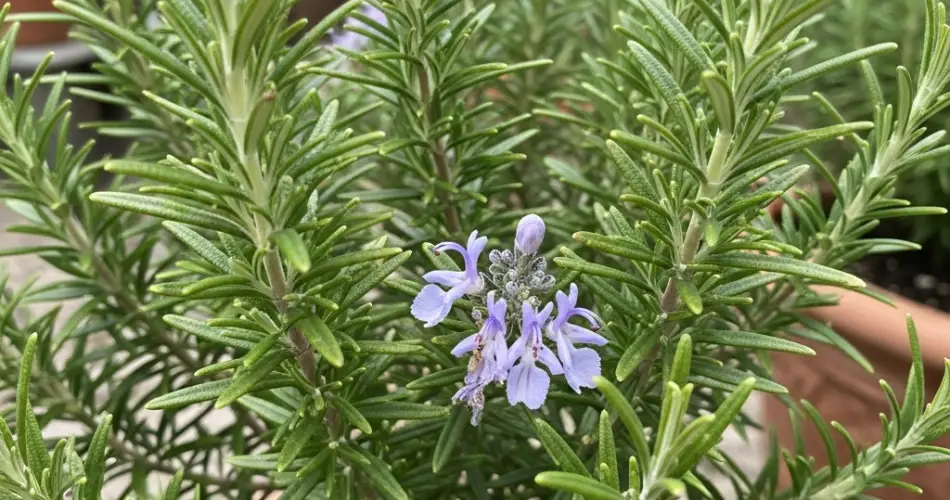
Rosemary is a wonderfully fragrant, hardy herb that can elevate your garden with its lush, evergreen foliage and aromatic presence. Whether you’re a seasoned gardener or just starting out, growing rosemary can be surprisingly easy—especially when you use common kitchen scraps to get started. This article will guide you through transforming your garden by growing rosemary with simple, sustainable methods that reduce waste and bring natural beauty and flavor to your outdoor or indoor space.
Why Grow Rosemary?
Rosemary is more than just a culinary herb. It has numerous benefits, including:
-
Aromatic leaves that enhance cooking, teas, and even homemade beauty products.
-
Hardiness that makes it suitable for various climates and low-maintenance gardening.
-
Attracting pollinators like bees and butterflies.
-
Natural pest-repellent properties to help protect your garden.
With its woody stems and needle-like leaves, rosemary adds structure and greenery year-round. Plus, it thrives in containers or garden beds, making it perfect for any space.
Using Kitchen Scraps to Start Rosemary
One of the easiest and most eco-friendly ways to start rosemary is by using kitchen scraps—specifically, rosemary stems left over from cooking. Here’s how to get started:
1. Select Healthy Stems:
Choose fresh, healthy rosemary sprigs from your kitchen. Avoid woody, old stems or those with discoloration.
2. Prepare the Cuttings:
Cut 4-6 inch lengths from the rosemary stem. Remove leaves from the bottom two inches to prevent rot when placed in water or soil.
3. Rooting in Water:
Place the prepared cuttings in a glass of water, ensuring the leafless part is submerged. Put the glass in a sunny spot, such as a windowsill. Change the water every few days to keep it fresh.
4. Watch for Roots:
Within 2-4 weeks, you should see small roots developing. Once roots are about an inch long, the cutting is ready to plant.
5. Planting:
Transfer the rooted cuttings to well-draining potting soil or your garden bed. Water lightly after planting and place them in a sunny location.
Preparing Your Garden or Container
Rosemary thrives best with good drainage and plenty of sunlight.
-
Soil: Use sandy, well-draining soil. If your garden soil is heavy or clay-like, mix in sand or small gravel to improve drainage.
-
Containers: Rosemary grows well in pots with drainage holes. Use a cactus or succulent soil mix for best results.
-
Sunlight: Rosemary needs at least 6 hours of direct sunlight daily. A sunny windowsill or balcony is perfect for container plants.
Watering and Care
Rosemary prefers dry to moderately moist soil but dislikes being waterlogged.
-
Water rosemary when the top inch of soil feels dry.
-
Avoid overwatering to prevent root rot.
-
During hot, dry periods, increase watering slightly but still allow soil to dry between waterings.
-
Mulch around the base in garden beds to retain moisture and reduce weeds.
Feeding Your Rosemary
Rosemary doesn’t require heavy feeding.
-
Use a balanced, slow-release fertilizer once or twice during the growing season.
-
Organic options like compost tea or diluted fish emulsion also work well.
-
Avoid excess nitrogen, which can encourage leafy growth over essential oils and fragrance.
Pruning for Health and Shape
Regular pruning keeps rosemary healthy and encourages bushier growth.
-
Trim back about one-third of the plant in spring or early summer.
-
Remove any dead or woody stems to improve air circulation.
-
Use pruned sprigs in cooking or drying for your kitchen.
Using Kitchen Scraps Beyond Propagation
In addition to propagating rosemary from kitchen scraps, you can enhance plant growth and soil health by recycling other kitchen leftovers:
-
Compost: Add vegetable peelings, coffee grounds, and eggshells to your compost pile to enrich the soil where rosemary grows.
-
Watering with Herb Tea: After boiling rosemary or other herbs for tea, cool the leftover water and use it to water your rosemary plants. This adds nutrients back to the soil.
-
Eggshell Mulch: Crushed eggshells around rosemary plants provide calcium and improve soil texture.
Troubleshooting Common Issues
Rosemary is hardy but can occasionally face some challenges:
-
Root rot: Caused by overwatering or poor drainage. Make sure soil drains well and water only when dry.
-
Powdery mildew: A fungal disease favored by humid conditions. Improve airflow and avoid wetting foliage.
-
Pests: Aphids or spider mites may occasionally appear. Treat with insecticidal soap or neem oil if necessary.
Harvesting Rosemary
Harvest rosemary by snipping sprigs as needed, ideally in the morning after dew dries for best flavor.
-
Regular harvesting encourages new growth.
-
Cut stems about 6 inches long, avoiding cutting into old wood.
-
Use fresh in cooking, or dry sprigs for later use.
Final Thoughts
Transforming your garden with rosemary is surprisingly easy and rewarding, especially when you use kitchen scraps to start your plants. This sustainable approach not only reduces waste but also deepens your connection to your garden and the food you prepare.
With minimal care—adequate sunlight, proper watering, occasional feeding, and regular pruning—you can grow thriving rosemary plants that provide year-round beauty and fragrance. Whether planted in the ground or containers, rosemary will become a treasured part of your gardening journey.
Give it a try with your leftover kitchen rosemary scraps, and watch your garden flourish with ease and charm.


