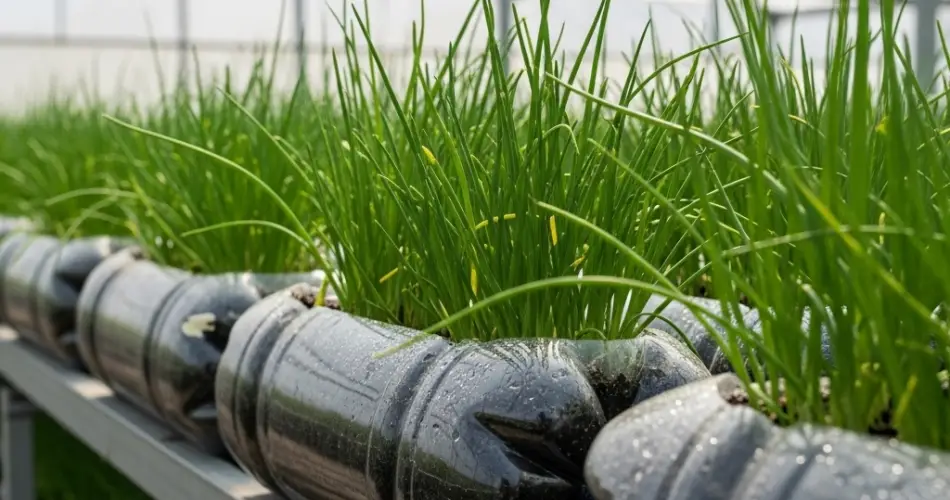
Chives are a favorite in kitchens worldwide, prized for their mild onion flavor and easy-to-harvest green stalks. While many gardeners start chives from seeds or established plants, water propagation is a simple and sustainable way to clone chives without soil. Using a household bottle or jar, you can regrow chives from cuttings or kitchen scraps, producing fresh herbs continuously while minimizing waste. This method is perfect for home gardeners, apartment dwellers, or anyone seeking a low-maintenance herb garden.
Selecting Chive Cuttings for Water Cloning
Successful water propagation begins with choosing healthy cuttings. Select green, firm stems that are free of yellowing, wilting, or damage. Ideal cuttings are about 3–5 inches long, with the base intact and leaves healthy. Chives can also be propagated from leftover root ends or trimmed sections from a previous harvest, making this method especially efficient and eco-friendly.
Trim the bottom of each stem slightly to expose fresh tissue. This encourages root growth by stimulating the plant’s natural regenerative processes. Remove any lower leaves that might be submerged in water to prevent rotting, leaving the top few leaves intact to support photosynthesis.
Preparing Bottles for Chive Propagation
A clear bottle, jar, or glass is ideal for water propagation, as it allows you to monitor root development. Narrow-necked bottles help support the cuttings, keeping them upright while roots form. Fill the container with clean, room-temperature water, ensuring that the leaves remain above the water level.
If using tap water, let it sit for several hours to allow chlorine to dissipate. Filtered or distilled water can also be used. Proper water quality is crucial, as stagnant or chemically treated water can hinder root growth or damage the delicate cuttings.
Positioning for Optimal Growth
Place the bottle in a bright location with indirect sunlight. Direct sunlight can overheat the water and stress the cuttings, while low light slows root development. A sunny windowsill that receives gentle morning light is an ideal spot.
To maintain a healthy environment, change the water every two to three days. Fresh water provides oxygen to the developing roots and prevents bacterial or fungal growth. Gently rinse the stems each time you change the water to remove any slime or debris.
Monitoring Root Growth
Within a few days, small roots should begin to emerge from the base of the cuttings. Over the next one to two weeks, roots will grow longer and thicker. During this time, new shoots may start to appear from the top of the cutting, signaling that the chives are establishing themselves.
Patience is essential during this stage, as root growth may vary depending on light, temperature, and cutting quality. Healthy roots are firm, white, and gradually extend downward, ready for continued growth.
Optional: Boosting Growth with Nutrients
While chives can root successfully in plain water, adding a small amount of diluted liquid fertilizer can accelerate root development. Use a weak, all-purpose fertilizer at about a quarter of the recommended strength. Over-fertilizing can damage roots, so moderation is key.
Maintaining Chives in Water or Transplanting
Once the roots are well-developed, chives can remain in water for continued growth, producing fresh stalks for weeks. Keep the water clean, provide sufficient indirect light, and trim the leaves as needed.
Alternatively, you can transplant the rooted chives into soil. Choose a container with good drainage and fill it with nutrient-rich, well-draining potting mix. Plant the roots fully while keeping the leaves above the soil line. Water gently and place the pot in bright, indirect light for the first few days to reduce transplant stress. Once established, regular watering and occasional feeding will help the plant thrive.
Harvesting and Care
Harvest chives by trimming the leaves close to the base, leaving at least a third of the plant intact. Regular trimming encourages bushier growth and prevents the plant from becoming sparse. Chives are hardy and resilient, making them suitable for indoor windowsills or outdoor garden beds.
Troubleshooting Common Issues
Cuttings may fail to root if exposed to poor water quality, insufficient light, or physical damage. Ensure the bottle receives adequate indirect sunlight, change the water frequently, and remove any cuttings that show signs of rot or mold to protect healthy plants.
Conclusion
Cloning chives in bottles without soil is an easy, sustainable, and rewarding gardening technique. By selecting healthy cuttings, providing clean water, and monitoring growth, you can enjoy a continuous supply of fresh chives for cooking or garnishing dishes. This method demonstrates how simple household tools can create an eco-friendly herb garden, turning kitchen scraps into thriving plants. Whether kept in water or transplanted to soil, water-propagated chives offer convenience, freshness, and a touch of greenery for any home.


