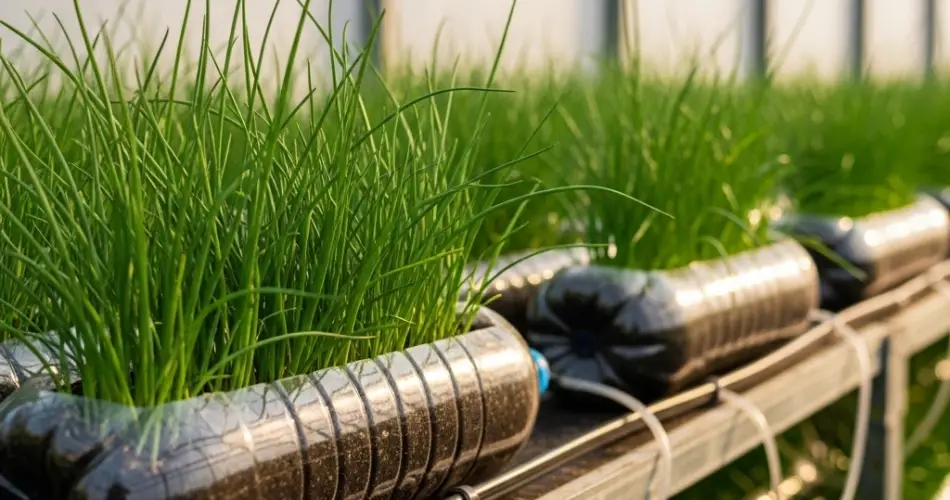
Chives are a staple herb in kitchens worldwide, prized for their mild onion flavor, vibrant green color, and versatility in cooking. For gardeners with limited space or budgets, propagating chives using recycled plastic bottles is an excellent solution. This method is not only economical and eco-friendly, but it also provides a controlled environment for nurturing healthy, productive plants. With a simple setup, you can transform ordinary plastic bottles into miniature propagation systems that yield fresh chives year-round.
Why Use Plastic Bottles for Chive Propagation?
Growing chives from seeds is possible but can be slow, and germination rates can vary. Propagating from cuttings or small divisions provides several advantages:
-
Faster Growth: Cuttings establish roots more quickly than seeds.
-
Consistent Quality: Plants propagated from a parent maintain the same flavor and growth characteristics.
-
Space Efficiency: Bottles take up minimal room and can be placed on windowsills, balconies, or kitchen counters.
-
Cost Savings: Using recycled bottles eliminates the need to buy new pots or propagation trays.
This method is ideal for urban gardeners, apartment dwellers, or anyone seeking a low-cost way to expand their herb garden.
Materials Needed
Creating a bottle propagation system requires only a few basic items:
-
Transparent plastic bottles (1–2 liters)
-
Scissors or a sharp utility knife
-
Healthy chive stems or small plants
-
Water
-
Optional: small potting soil for later transplanting
-
Optional: labels to track cuttings
Reusing everyday materials not only saves money but also reduces plastic waste, making this an environmentally conscious approach to gardening.
Preparing the Bottle
-
Clean Thoroughly: Wash the bottle to remove any residue. Remove labels to allow maximum light penetration.
-
Cut the Bottle: Slice the bottle horizontally, creating a top and bottom half. The bottom will hold water for rooting, while the top can serve as a protective dome or be removed once roots are established.
-
Add Water: Fill the bottom half with enough water to submerge the stems without covering the leaves. Excess water can lead to rot, so only the lower portion of the stem should be underwater.
This simple setup mimics a mini greenhouse, maintaining humidity and warmth to encourage rapid root development.
Selecting and Preparing Chive Cuttings
Choose healthy chive stems, about 4–6 inches long, with vibrant green leaves. Remove any leaves that would sit below the waterline to prevent decay. Insert the stems into the water-filled bottle, making sure the cut ends are fully submerged.
Place the bottle in a location with bright, indirect sunlight. Chives require at least 4–6 hours of light daily, but direct, intense sunlight can overheat and damage young cuttings.
Promoting Root Development
Chive cuttings typically start forming roots within 7–10 days. To encourage healthy growth:
-
Change Water Regularly: Refresh the water every 2–3 days to prevent stagnation and maintain oxygen levels.
-
Monitor Temperature: Keep the bottle in a moderate temperature range, ideally 18–24°C (65–75°F).
-
Optional Fertilizer: Once roots begin to develop, a diluted liquid fertilizer can be added to support strong, healthy growth.
Roots should be 2–3 inches long before transplanting into soil. This ensures the plants are robust enough to thrive in a permanent container.
Transplanting Chives
After roots are well-established, transfer the cuttings to a small pot filled with well-draining soil. A mix of potting soil and perlite or sand works well, providing aeration while retaining sufficient moisture. Water lightly after transplanting and keep the pot in a location with indirect sunlight for a few days to help the plants acclimate.
Care for Established Chives
Once transplanted, chives are low-maintenance but benefit from regular attention:
-
Sunlight: Provide 6–8 hours of light daily for optimal growth.
-
Watering: Keep the soil consistently moist but avoid waterlogging to prevent root rot.
-
Harvesting: Snip leaves at the base as needed, leaving at least one-third of the plant intact to allow continued growth.
-
Pruning: Remove flower stalks if necessary to focus energy on leaf production and prolong the harvest season.
Advantages of Bottle Propagation
-
Eco-Friendly: Reuses plastic bottles and reduces waste.
-
Compact: Perfect for apartments, small balconies, or indoor gardening.
-
Cost-Effective: Requires minimal materials and no specialized containers.
-
Educational: Transparent bottles allow gardeners to observe root development, making it an engaging learning experience.
Final Thoughts
Propagating chives using plastic bottles is a budget-friendly, sustainable, and effective way to grow fresh herbs in small spaces. By starting from cuttings and nurturing them in a controlled mini-greenhouse environment, gardeners can enjoy rapid root development, healthier plants, and a continuous harvest.
This approach demonstrates how creativity and resourcefulness can transform everyday materials into practical gardening solutions. With a few bottles, water, and some chive cuttings, you can cultivate vibrant, flavorful herbs right on your windowsill, balcony, or kitchen counter.
Recycling, efficiency, and fresh herbs come together in this simple propagation method, proving that you don’t need a large garden or expensive equipment to enjoy the rewards of homegrown chives.


