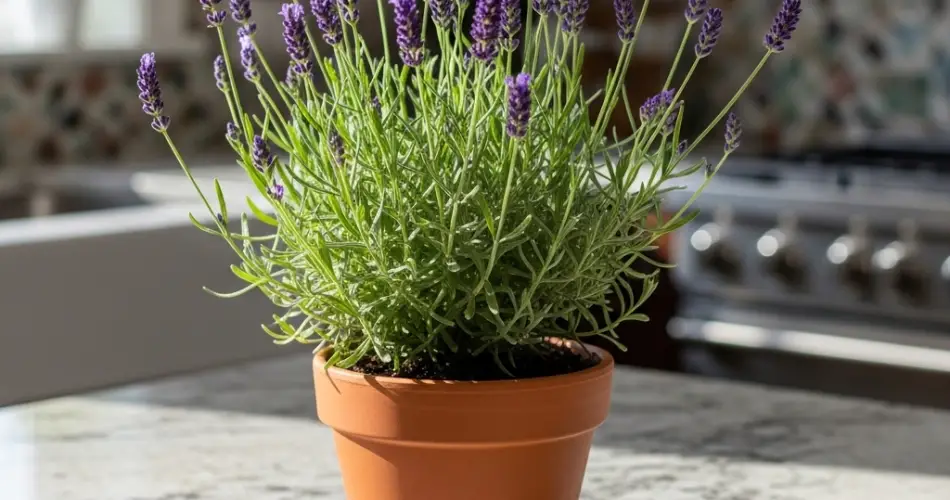
Lavender is best known for its calming fragrance and vibrant purple blooms, but it’s also a surprisingly versatile addition to a kitchen herb garden. While commonly grown outdoors, lavender can thrive indoors with the right care—bringing both beauty and utility to your cooking space. From infusing baked goods and herbal teas to scenting your kitchen with its soothing aroma, lavender adds both flavor and charm.
Whether you’re new to indoor gardening or looking to expand your herb collection, here’s how to successfully grow and enjoy lavender in your kitchen.
Why Grow Lavender Indoors?
Lavender’s appeal goes far beyond its looks. It has culinary, aromatic, and medicinal uses, and growing it indoors allows you to access its benefits year-round. Keeping lavender in the kitchen is not only convenient for cooking, but it also freshens the air and enhances the ambiance of your space.
Indoor gardening also protects lavender from outdoor pests and unpredictable weather while giving you more control over temperature and light. With proper setup, lavender can flourish inside just as well as it does in the garden.
Choosing the Right Variety
Not all lavender varieties are equally suited for indoor growing. Look for compact types that adapt well to container life and indoor conditions. Some great options include:
-
Lavandula angustifolia (English lavender): This is the best culinary variety, known for its sweet scent and delicate flavor.
-
Lavandula ‘Munstead’ or ‘Hidcote’: Dwarf English lavenders that stay small and manageable indoors.
-
French Lavender (Lavandula dentata): Offers a slightly more decorative look with frilly leaves and blooms, though it’s less commonly used in cooking.
Avoid larger varieties like Spanish lavender unless you have ample space and strong lighting.
Selecting a Container
Lavender needs excellent drainage, so choose a pot with multiple drainage holes. Terra cotta pots are ideal as they allow soil to dry more quickly and help prevent root rot. A container about 8–10 inches wide and 8 inches deep should be enough for a single plant.
Be sure to use a saucer or tray beneath the pot to protect your kitchen surfaces from moisture.
Best Soil for Lavender
Lavender prefers light, sandy, and well-draining soil. Use a cactus or succulent mix, or blend your own with:
-
2 parts potting mix
-
1 part coarse sand or perlite
The key is to avoid heavy, moisture-retentive soils. Lavender roots are prone to rot if left in soggy conditions. The ideal pH for lavender is slightly alkaline—between 6.7 and 7.3.
Light and Temperature Requirements
Lavender is a sun-loving plant and needs at least 6 to 8 hours of direct sunlight daily. Place your pot in a south-facing window for maximum light exposure. If your kitchen lacks sufficient light, use a full-spectrum grow light placed 6–12 inches above the plant, running it for 12 to 14 hours a day.
Lavender prefers temperatures between 60°F and 75°F (15°C to 24°C) and dislikes drafts or humidity. Avoid placing the plant near stoves or vents, which may dry it out or expose it to sudden temperature shifts.
Watering and Feeding
Lavender is drought-tolerant and prefers to stay on the dry side. Water only when the top inch of soil is dry. Water thoroughly, then allow the excess to drain. Avoid misting the plant or letting water sit at the base, which can cause fungal problems.
Feed your lavender plant with a diluted, balanced liquid fertilizer every 4 to 6 weeks during spring and summer. Avoid high-nitrogen fertilizers, as they encourage leafy growth over flowers and aroma.
Pruning and Harvesting
Regular pruning keeps lavender compact and encourages new growth. In spring, trim back leggy stems by about one-third to shape the plant and promote bushiness. Avoid cutting into the woody base.
You can begin harvesting flowers once the buds begin to open. Use clean scissors to cut the stems just above the foliage. The best time to harvest is in the morning after the dew has dried, when the essential oils are most concentrated.
Use the flowers fresh in recipes or dry them by hanging small bunches upside down in a cool, dark, well-ventilated place.
Culinary Uses of Lavender
Lavender can add a subtle floral note to both sweet and savory dishes. A little goes a long way, so use it sparingly. Here are a few ways to use lavender in the kitchen:
-
Add dried buds to shortbread cookies or lemon cakes.
-
Infuse in honey or sugar for teas and desserts.
-
Blend into herbal teas with chamomile or mint.
-
Add to marinades or rubs for poultry and lamb.
Always be sure to use culinary-grade lavender, especially when harvesting from your own plants.
Common Issues and Solutions
-
Yellowing leaves often signal overwatering or poor drainage.
-
Weak growth may be due to insufficient light—move the plant to a sunnier spot or use a grow light.
-
Root rot or mildew can be avoided with well-draining soil and proper watering habits.
Lavender is relatively pest-resistant, but indoor conditions with poor airflow can invite fungus gnats or spider mites. Increase ventilation and avoid overwatering to prevent problems.
Final Thoughts
Adding lavender to your kitchen herb garden is both practical and aesthetically pleasing. Its fragrant leaves and flowers can be used in cooking, teas, or even as a decorative touch. With the right container, light, and care, this beautiful herb will thrive indoors—bringing a little piece of the Mediterranean to your kitchen shelf. Whether you’re baking, brewing tea, or simply enjoying its scent, lavender offers endless benefits in a compact, stylish package.


