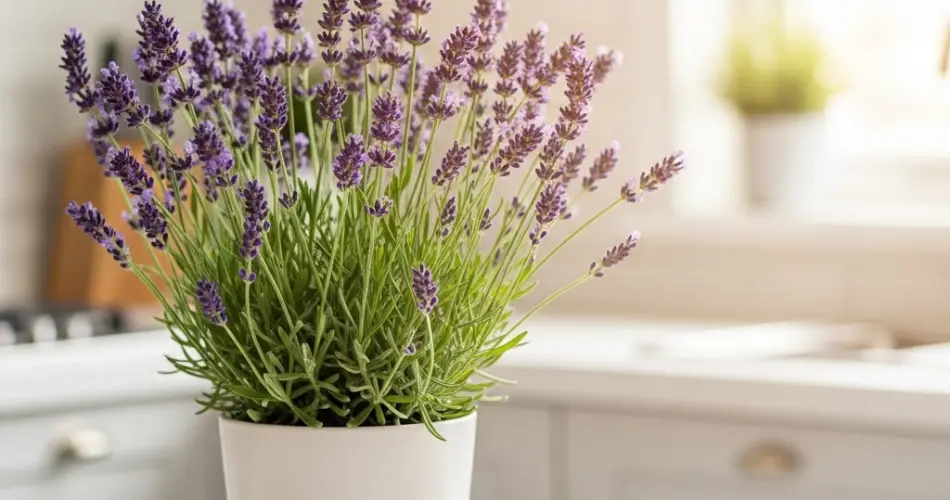
Lavender (Lavandula spp.) is more than just a fragrant herb—it’s a beautiful and soothing addition to your indoor space. Known for its calming aroma and elegant purple blooms, lavender is a favorite in both culinary and decorative gardens. While it’s typically grown outdoors, with the right conditions, lavender can thrive indoors—bringing beauty, scent, and tranquility right into your kitchen.
With a sunny window and a little attention to its specific needs, you can grow lavender indoors year-round. Here’s everything you need to know to successfully grow lavender inside your home.
Why Grow Lavender Indoors?
Lavender offers multiple benefits when grown indoors:
-
Aromatic appeal: Lavender releases a fresh, relaxing scent that enhances any indoor environment.
-
Visual charm: Its silvery foliage and violet blooms add elegance to windowsills and countertops.
-
Culinary use: Lavender can be used to flavor desserts, teas, infused syrups, and baked goods.
-
Pollinator-friendly: In spring and summer, if placed near an open window, lavender may attract beneficial insects like bees.
Most importantly, growing lavender in your kitchen or living space brings a sense of peace and calm, making it a plant that nourishes both the senses and the spirit.
Best Lavender Varieties for Indoors
Not all lavender types are suitable for indoor growing. Look for compact varieties that are well-suited to containers and manageable inside a home setting. The following are recommended:
-
French Lavender (Lavandula dentata): Adaptable and good for container life, with soft-toothed leaves and a pleasant fragrance.
-
English Lavender (Lavandula angustifolia): Well-known for its fragrance and culinary uses, though it prefers cooler conditions.
-
Lavandin (Lavandula x intermedia): A hybrid with strong fragrance and longer flower spikes.
Choose a variety based on your climate and intended use—culinary, ornamental, or aromatic.
Choosing the Right Container
Lavender requires excellent drainage and air circulation around its roots. Use a pot that is at least 8–12 inches wide, made from breathable material like clay or terracotta. These materials help excess moisture evaporate and prevent the roots from staying too wet.
Ensure the pot has several drainage holes, and place a saucer underneath to protect your counter or windowsill.
Soil Requirements
Lavender thrives in light, sandy, well-draining soil. Avoid dense or overly rich potting mixes, which retain too much moisture.
To create the ideal mix, combine:
-
2 parts cactus or sandy potting mix
-
1 part perlite or coarse sand
-
Optional: a tablespoon of lime to raise pH, as lavender prefers slightly alkaline soil (pH 6.5 to 7.5)
Avoid using compost-heavy soils indoors, as they can stay too damp for lavender’s liking.
Light and Temperature Needs
Lavender needs a lot of sunlight—ideally 6 to 8 hours of direct sun per day. A south-facing window is best. If your kitchen doesn’t get enough sunlight, supplement with a full-spectrum grow light positioned close to the plant.
Indoor lavender prefers temperatures between 60–75°F (15–24°C) during the day and cooler nighttime temps. Avoid placing it near heating vents, cold drafts, or fluctuating temperatures.
Watering and Feeding
Lavender is drought-tolerant and prefers to dry out between waterings. Water only when the top inch of soil feels dry, and let the water drain completely. Never allow the plant to sit in water, as this can lead to root rot.
Fertilize lightly. Feed once a month during the growing season with a low-nitrogen fertilizer or a diluted organic blend. Too much nitrogen encourages foliage but reduces blooms and scent.
Pruning and Maintenance
Regular pruning keeps indoor lavender healthy and attractive. After the first flowering, trim back about one-third of the plant’s height to encourage bushier growth and more blooms.
Continue to remove spent flowers and leggy stems to maintain shape. Avoid cutting into the woody base, as this may stunt growth.
In late winter or early spring, give the plant a light trim to shape it for the new growing season.
Harvesting Lavender Indoors
Once lavender starts blooming indoors, you can harvest it for fresh or dried use. Snip flower stems just as the buds begin to open for the most potent fragrance.
Use the blooms in:
-
Teas and lemonades
-
Desserts and syrups
-
Homemade bath salts or sachets
-
Aromatherapy blends
Hang harvested stems upside down in a dark, dry place for 7–10 days to preserve them.
Common Issues and Solutions
-
Wilting or yellowing leaves: Usually caused by overwatering or poor drainage.
-
Lack of blooms: Likely due to insufficient sunlight. Move to a brighter window or use a grow light.
-
Powdery mildew: Improve airflow and avoid overhead watering if mildew develops.
Lavender is generally pest-resistant, but occasionally you may see spider mites or aphids. Treat gently with water sprays or insecticidal soap if needed.
Final Thoughts
Growing lavender indoors is a rewarding way to add scent, beauty, and calm to your kitchen or living space. With its minimal watering needs, lovely appearance, and relaxing aroma, lavender is the perfect indoor herb for those looking to bring a touch of nature and serenity into their home. All you need is a sunny window, the right soil, and a little care to keep this delightful plant thriving year-round.


