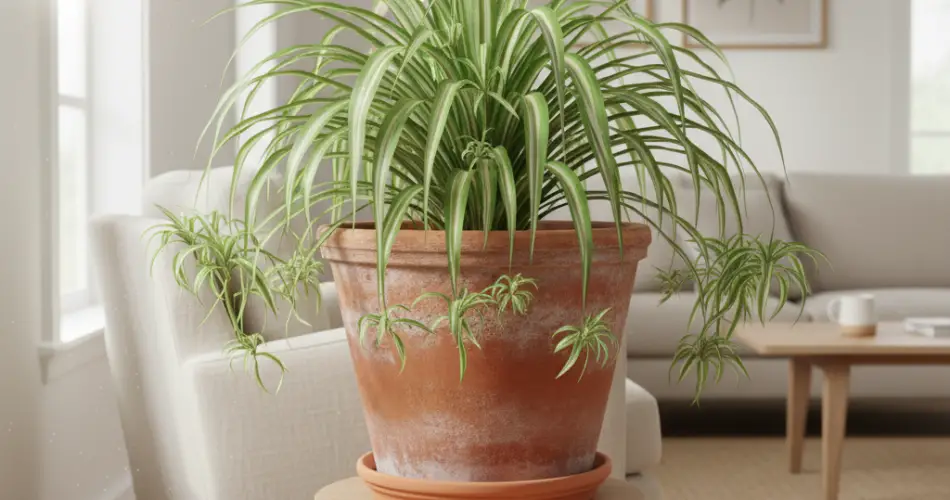
Spider plants (Chlorophytum comosum) are among the most popular and versatile houseplants, celebrated for their long, arching leaves, air-purifying qualities, and easy propagation. Their cascading foliage and baby “spiderettes” make them ideal for hanging baskets, shelves, and desktop planters. Despite their popularity, many plant enthusiasts wonder: How much sunlight does a spider plant really need? Understanding the right light conditions is crucial for maintaining healthy growth, vibrant foliage, and a thriving plant.
Understanding Spider Plant Light Preferences
Native to South Africa, spider plants naturally grow in shaded, forested areas where they receive filtered sunlight. Over time, they have adapted to tolerate a variety of light conditions, which is part of why they are so popular as indoor plants. Spider plants thrive in bright, indirect light, though they can tolerate low-light conditions for extended periods. Proper light encourages fuller foliage, stronger roots, and more abundant spiderette production.
Ideal Sunlight Conditions
-
Bright, Indirect Light: For optimal growth, spider plants should be placed near east- or west-facing windows that provide several hours of indirect sunlight. This light helps maintain leaf variegation in patterned varieties and promotes healthy growth.
-
Low Light Tolerance: Spider plants can survive in areas with limited natural light, such as north-facing windows or interior rooms. While they will continue to grow, growth may slow, leaves may be smaller, and spiderette production may decrease.
-
Avoid Direct Sunlight: Prolonged exposure to direct sunlight, particularly from south- or west-facing windows, can scorch leaves, causing brown tips or yellow patches. Variegated varieties are especially prone to leaf burn under intense sunlight.
Signs Your Spider Plant’s Light Is Off
Observing your plant can help you determine whether it is receiving the appropriate amount of light:
-
Too Little Light: Leaves may become dull, small, or pale, and the plant may stretch toward available light sources. Spiderette production may decrease, and growth may appear leggy.
-
Too Much Light: Leaves develop brown, crispy edges or scorch marks, and variegation may fade in patterned varieties. Excessive light stresses the plant, reducing its overall vitality.
-
Optimal Light: Healthy spider plants have long, arching leaves with vibrant green or variegated patterns, producing abundant spiderettes and maintaining compact growth.
Tips for Providing Optimal Sunlight
-
Choose the Right Spot: Place your spider plant near a bright window with filtered sunlight. East-facing windows are ideal, while west-facing windows may require a sheer curtain to diffuse strong afternoon sun.
-
Rotate the Plant: Turn your plant every few weeks to ensure all leaves receive light evenly, preventing uneven growth or leaning.
-
Supplement with Artificial Light: In rooms with low natural light, fluorescent or LED grow lights can provide 12–14 hours of indirect light daily, supporting healthy growth and spiderette production.
-
Gradual Light Adjustments: When moving a spider plant to a brighter or lower-light area, adjust gradually to prevent leaf shock or sunburn.
Additional Care Considerations
Light is essential, but other factors also influence spider plant health:
-
Watering: Light affects how quickly soil dries. Plants in brighter locations may require more frequent watering, while those in low light need less. Always allow the soil to dry slightly between waterings to prevent root rot.
-
Temperature: Spider plants prefer moderate indoor temperatures between 60°F and 75°F (16°C–24°C). Avoid placing them near drafts, air conditioning vents, or heaters.
-
Humidity: While tolerant of average indoor humidity, spider plants thrive in slightly higher humidity. Occasional misting or a pebble tray can help maintain lush foliage.
-
Soil: Use a well-draining potting mix to prevent waterlogging, especially in brighter areas where soil may dry faster.
Benefits of Proper Light
Providing the right amount of light has multiple advantages:
-
Vibrant, Healthy Leaves: Adequate light keeps foliage lush, strong, and well-colored.
-
Abundant Spiderettes: Proper light encourages the production of baby plants for propagation.
-
Balanced Growth: Evenly lit plants grow compactly, maintaining an attractive shape.
-
Resilient Health: Plants grown in optimal light are better able to resist pests, stress, and disease, requiring less maintenance.
Conclusion
Spider plants are versatile, resilient, and capable of thriving in a variety of indoor lighting conditions. While they can tolerate low light, bright, indirect sunlight promotes optimal growth, vibrant foliage, and abundant spiderette production. Direct sunlight should be avoided to prevent leaf scorch, while artificial light can supplement areas with insufficient natural sunlight. By carefully choosing a location, monitoring leaf health, and gradually adjusting light exposure, you can enjoy a thriving spider plant that brightens your indoor space with lush greenery, cascading foliage, and endless propagation possibilities for years to come.


