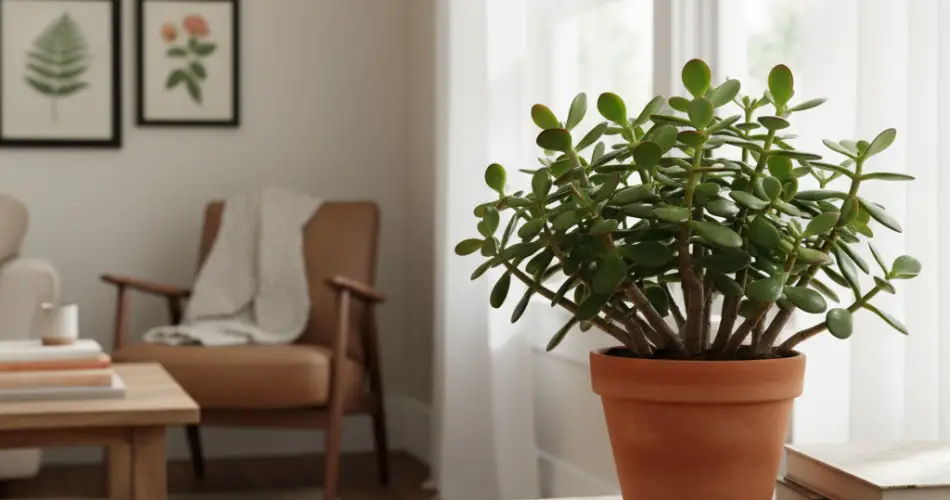
The jade plant (Crassula ovata), often called the “money plant” or “lucky plant,” is a favorite among succulent lovers. Known for its thick, glossy leaves and tree-like form, it symbolizes prosperity and longevity in many cultures. While jade plants are hardy and relatively low-maintenance, light is one of the most important factors in their health and growth. Too little or too much light can affect not only their appearance but also their overall well-being.
Understanding jade plant light requirements—both indoors and outdoors—will help you grow a healthy, vibrant plant that thrives for many years.
Native Habitat and Growth Patterns
Jade plants are native to South Africa and Mozambique, where they grow in rocky, arid environments with plenty of sunlight. Their thick leaves store water, allowing them to withstand long periods of drought. This natural background explains why they prefer bright light and can tolerate direct sun better than many houseplants. However, they can also adapt to indoor conditions if given the right placement.
Indoor Light Requirements
When grown indoors, jade plants need plenty of bright light to stay healthy. A minimum of four to six hours of direct sunlight daily is ideal. Without enough light, jade plants may become leggy, with stretched-out stems and smaller, paler leaves.
Best indoor placements include:
-
South-facing windows: Provide the strongest, most consistent sunlight throughout the day.
-
West-facing windows: Offer intense afternoon light, which jade plants tolerate well.
-
East-facing windows: Gentle morning light works, though growth may be slower compared to sunnier spots.
If your jade plant is not near a sunny window, you can supplement with full-spectrum grow lights. Position the light about 12–18 inches above the plant and keep it on for 10–12 hours daily to mimic natural daylight.
Signs Your Indoor Jade Plant Needs More Light
-
Stretched or leggy stems reaching toward windows.
-
Pale or yellowing leaves.
-
Slowed growth or leaf drop.
-
Loss of red edges on leaves, which usually develop with stronger sun exposure.
If you notice these signs, move your plant to a brighter spot or use artificial lighting to restore balance.
Outdoor Light Requirements
Jade plants thrive outdoors in sunny locations, especially in warm, dry climates. When grown outdoors, they benefit from at least six hours of direct sunlight daily. Their leaves become thicker, and many varieties develop attractive red or burgundy edges under strong sun.
Outdoor care tips include:
-
Place in a spot with full sun, such as patios, balconies, or garden beds.
-
In extremely hot climates, provide afternoon shade to prevent leaf scorch.
-
If moving a jade plant from indoors to outdoors, acclimate gradually. Start with partial shade and slowly increase sun exposure over one to two weeks.
This adjustment prevents shock and reduces the risk of sunburn on leaves that are used to lower light levels.
Can Jade Plants Handle Low Light?
While jade plants prefer direct sunlight, they can tolerate lower light for short periods. In dim conditions, they may survive but won’t thrive. Expect slower growth, thinner stems, and weaker leaves. If your jade plant must live in low light, rotate it frequently and prune back leggy growth to maintain shape. However, long-term success in shade is limited without supplemental lighting.
Seasonal Light Adjustments
Jade plant light requirements change slightly with the seasons:
-
Spring and Summer: Strong sunlight supports active growth. Outdoor plants may need some afternoon shade in very hot regions to prevent scorching.
-
Autumn and Winter: Growth slows, but jade plants still need bright light. If kept indoors, move closer to a sunny window or use grow lights, since winter days are shorter.
Consistently rotating your plant every few weeks ensures even light exposure and prevents lopsided growth.
Common Light-Related Problems
-
Too Little Light: Leggy growth, weak stems, smaller leaves, and faded color.
-
Too Much Sun (especially sudden exposure): Brown or white scorched patches on leaves.
-
Balanced Light: Compact growth, glossy green leaves, and red-tipped foliage in strong sun.
By observing these signs, you can quickly adjust your plant’s placement and avoid long-term damage.
Final Thoughts
The jade plant is a tough, rewarding succulent that can live for decades when cared for properly. Light is the most crucial factor in keeping it healthy and attractive. Indoors, aim for at least four to six hours of bright, direct sunlight, ideally from a south- or west-facing window. Outdoors, provide full sun with some protection during extreme heat.
With the right balance of light, jade plants develop their iconic thick leaves, strong branches, and often show off a touch of red on their edges. Whether you’re growing yours as a small desk plant or a large, tree-like specimen in the garden, proper lighting ensures it remains a symbol of growth, prosperity, and resilience in your space.


