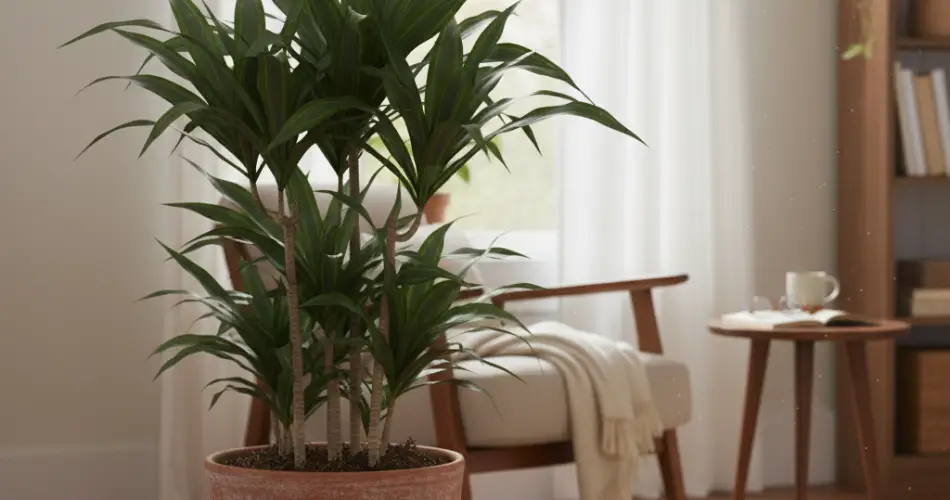
Dracaena plants are among the most popular indoor houseplants, cherished for their striking foliage, architectural form, and ability to thrive in a variety of indoor conditions. With their tall, upright stems and long, sword-shaped leaves—often variegated—they make a bold statement in homes, offices, and indoor gardens. Despite their resilience, many plant owners ask: How much sunlight does a Dracaena plant really need? Understanding the right light conditions is crucial for maintaining vibrant leaves, strong growth, and overall plant health.
Understanding Dracaena Light Preferences
Native to tropical regions of Africa and Asia, Dracaena plants naturally grow in forest understories or shaded areas. In these environments, they receive bright, indirect light, which has influenced their adaptation to indoor living. Dracaenas can tolerate a range of lighting conditions, from moderate to low light, making them versatile houseplants. However, providing appropriate light is key to preventing slow growth, leaf yellowing, or loss of variegation in certain varieties.
Ideal Sunlight Conditions
-
Bright, Indirect Light: Dracaenas thrive in bright, filtered sunlight. East-facing windows provide gentle morning light, while north-facing windows offer consistent indirect light. Bright, indirect light encourages strong stems, vibrant foliage, and steady growth.
-
Moderate to Low Light: Dracaenas can survive in rooms with less light, such as offices or interior spaces. Growth may slow, and leaves may become darker or smaller, but the plant remains generally healthy. Some variegated varieties may lose their distinct coloration under prolonged low-light conditions.
-
Avoid Direct Sunlight: Prolonged exposure to harsh afternoon sun, especially from south- or west-facing windows, can scorch leaves, resulting in brown tips or faded coloration. Variegated leaves are particularly sensitive to intense sunlight.
Signs Your Dracaena Is Receiving Too Much or Too Little Light
Monitoring your plant is essential to ensure it receives optimal sunlight:
-
Too Little Light: Leaves may yellow or droop, stems may stretch toward the nearest light source, and variegation can fade. Slow or sparse growth is another common indicator.
-
Too Much Light: Leaves develop brown edges, scorch marks, or a faded appearance. Excessive light can stress the plant, reducing overall vitality.
-
Optimal Light: Healthy Dracaenas display upright growth, vibrant foliage, and consistent coloration. New leaves emerge steadily, and stems are firm and robust.
Tips for Providing Optimal Sunlight
-
Choose the Right Location: Position your Dracaena near a bright window that receives indirect sunlight for several hours each day. East-facing windows are ideal, while south- or west-facing windows may require sheer curtains to diffuse strong rays.
-
Rotate Regularly: Turn the plant every few weeks to ensure all sides receive even light exposure. This prevents uneven growth and encourages a balanced shape.
-
Supplement with Artificial Light: In spaces with low natural light or during darker months, fluorescent or LED grow lights can provide 10–12 hours of indirect light daily. Place lights above the plant for uniform coverage.
-
Gradual Light Adjustments: When moving a Dracaena to a brighter or dimmer location, adjust gradually to prevent leaf stress or scorching.
Additional Care Considerations
While sunlight is crucial, other factors influence Dracaena health:
-
Watering: Light affects soil drying. Plants in brighter areas may require more frequent watering, while those in low light need less. Allow the top inch of soil to dry between waterings to prevent root rot.
-
Temperature: Dracaenas prefer indoor temperatures between 65°F and 80°F (18°C–27°C) and should be protected from drafts, cold windows, and sudden temperature changes.
-
Humidity: Average indoor humidity is sufficient, but higher humidity promotes healthier foliage. Occasional misting or a humidity tray can prevent leaf tip browning.
-
Soil: Use a well-draining potting mix to maintain healthy roots and prevent waterlogging. Proper soil drainage is especially important for plants in bright locations where soil dries quickly.
Benefits of Proper Light
Providing the right amount of sunlight offers multiple advantages:
-
Vibrant, Healthy Foliage: Adequate light maintains leaf coloration and prevents dull, faded leaves.
-
Strong Growth: Proper lighting encourages upright stems and full, lush foliage.
-
Resilient Health: Plants grown in optimal light are more resistant to pests, diseases, and stress, requiring less intervention.
-
Balanced Appearance: Rotating and providing consistent light promotes even growth, preventing leaning or sparse stems.
Conclusion
Dracaena plants are adaptable tropical houseplants that can thrive in a range of indoor lighting conditions. While they tolerate moderate to low light, bright, indirect sunlight is ideal for vibrant foliage, steady growth, and overall plant health. Direct sunlight should be avoided to prevent leaf scorch, and artificial lighting can supplement low-light areas as needed. By carefully choosing a location, rotating the plant, and monitoring leaf and stem health, you can enjoy a thriving Dracaena that enhances your indoor space with bold greenery, striking foliage, and long-lasting visual appeal for years to come.


