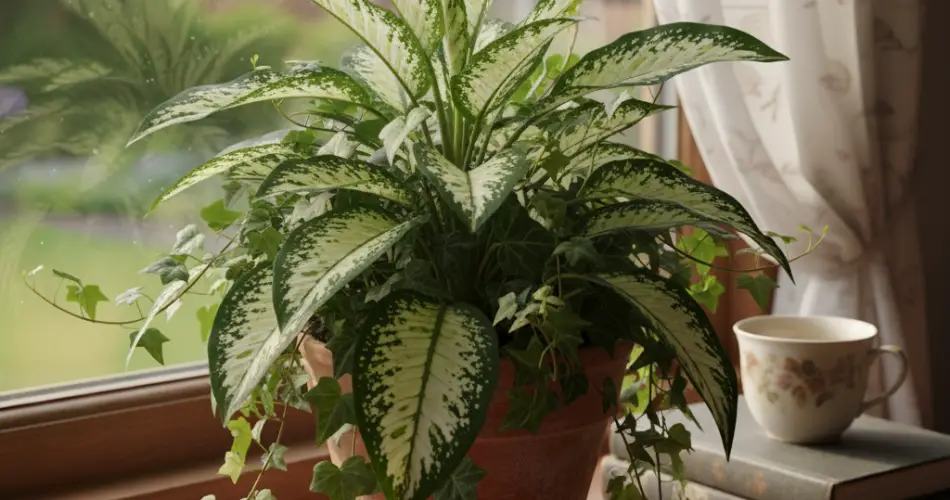
Dieffenbachia, commonly known as “dumb cane,” is a popular tropical houseplant admired for its striking, variegated leaves and upright growth habit. Its bold foliage makes it an excellent choice for brightening up indoor spaces, offices, or living rooms. While it is relatively easy to care for, one of the most important factors for keeping a dieffenbachia healthy is lighting. Providing the right amount of light not only promotes lush growth but also helps maintain its vibrant leaf patterns.
Understanding Dieffenbachia’s Natural Habitat
Dieffenbachias are native to the tropical forests of Central and South America, where they grow under the canopy of taller trees. In these natural conditions, they receive filtered sunlight rather than direct sun. This explains why dieffenbachias thrive in bright, indirect light indoors but are vulnerable to scorching in strong, direct sunlight.
Why Light Matters
Light is essential for dieffenbachia because it powers photosynthesis, the process by which plants produce energy. Inadequate light can cause slow growth, dull or yellowing leaves, and loss of the plant’s attractive variegation. Too much light, particularly direct sunlight, can scorch the leaves, leading to brown patches and overall stress. Striking a balance is key for keeping your plant vibrant and healthy.
Best Indoor Light Conditions
For indoor dieffenbachias, bright, indirect light is ideal. This type of light encourages healthy growth while protecting the delicate leaves from burning.
Ideal placements include:
-
East-facing windows: Provide gentle morning light, which is perfect for dieffenbachias.
-
North-facing windows: Offer consistent light without the intensity of direct sun.
-
South- or west-facing windows: Work if the light is filtered with sheer curtains or the plant is positioned a few feet back from the window.
In the right spot, your dieffenbachia will produce large, glossy leaves with vibrant variegation and sturdy stems.
Can Dieffenbachia Grow in Low Light?
Dieffenbachia is often marketed as a low-light houseplant, and it can survive in shaded areas. However, low light slows growth and may impact leaf coloration.
In low-light conditions, expect:
-
Slower development of new leaves.
-
Smaller leaves with muted variegation.
-
Taller, leggy growth as the plant stretches toward available light.
If your dieffenbachia is in a low-light corner, occasional rotation toward brighter areas or supplementation with artificial light can help maintain a fuller, healthier appearance.
Direct Sunlight: What to Avoid
While dieffenbachias enjoy brightness, direct sunlight can be harmful. Intense sun, particularly through south- or west-facing windows, can scorch the leaves, leaving unsightly brown patches and causing edges to curl.
If you want your dieffenbachia near a bright window, filter the light with sheer curtains or place the plant several feet back from the glass. Gradually acclimating your plant to brighter conditions is also important to avoid shock.
Using Artificial Light
Artificial lighting is an excellent solution for dieffenbachias placed in darker rooms or office spaces. Fluorescent or LED grow lights provide enough intensity to sustain growth and maintain leaf coloration.
Tips for artificial lighting:
-
Use full-spectrum lights for the best results.
-
Keep the light about 12–18 inches above the plant.
-
Provide 10–12 hours of light daily, mimicking natural sunlight cycles.
This method ensures that your dieffenbachia continues to thrive even in rooms with limited natural light.
Seasonal Adjustments
Light intensity changes with the seasons, so your dieffenbachia may require repositioning:
-
Summer: Move slightly back from windows or use curtains to avoid scorching from strong midday sun.
-
Winter: Move closer to a bright window or supplement with grow lights, as daylight is shorter and weaker.
Rotating the plant every few weeks helps ensure even growth and prevents leaning toward a single light source.
Signs of Incorrect Light
Your dieffenbachia will signal when light conditions are not ideal:
-
Too little light: Slowed growth, smaller leaves, and pale coloration.
-
Too much direct light: Brown, scorched patches, and curling leaf edges.
-
Just right: Vibrant variegated leaves, steady growth, and strong, upright stems.
Observing these signs allows you to make timely adjustments and keep your plant looking its best.
Final Thoughts
Dieffenbachias are striking, resilient houseplants that reward the right care with bold, beautiful foliage. Light is the most critical factor in achieving healthy growth and maintaining vibrant variegation. While they can survive in low-light corners, bright, indirect light is optimal for promoting lush leaves and upright growth.
By carefully selecting a well-lit indoor spot, using filtered sunlight when needed, and supplementing with artificial light in darker spaces, you can ensure your dieffenbachia remains healthy and visually stunning year-round. With the proper lighting, this tropical beauty will thrive as a focal point in your home or office, adding elegance and greenery to any indoor space.


