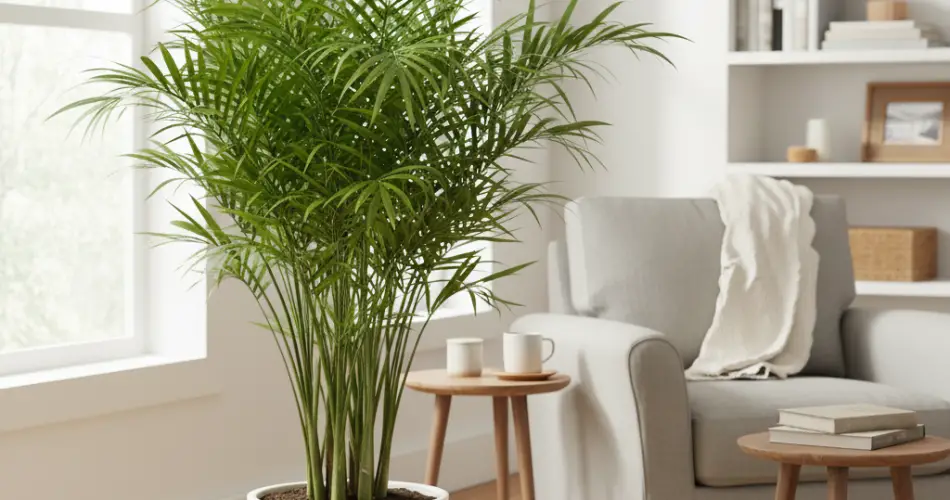
Bamboo palms (Chamaedorea seifrizii) are a popular choice for indoor greenery, prized for their graceful, arching fronds and air-purifying qualities. These palms bring a tropical vibe to homes and offices while remaining relatively low-maintenance compared to other indoor plants. One of the most critical factors for their health is light. Understanding how much sunlight a bamboo palm needs indoors is essential for keeping it lush, vibrant, and thriving.
Understanding Bamboo Palm Light Needs
Native to the tropical forests of Central America, bamboo palms naturally grow under the canopy of taller trees. This environment provides bright, filtered light, rather than direct sunlight. In indoor settings, replicating these conditions is key. While bamboo palms are somewhat adaptable, they grow best in indirect or diffused sunlight, avoiding harsh rays that can damage the fronds.
Ideal Indoor Sunlight for Bamboo Palms
Indoors, bamboo palms thrive in bright, indirect light. Positioning the palm near an east-facing window is ideal, as it receives gentle morning sunlight that is less intense than afternoon rays. South- or west-facing windows can also work, but a sheer curtain is recommended to filter the light and prevent leaf burn. Bamboo palms can tolerate low-light conditions better than many other tropical plants, making them suitable for offices or rooms with limited natural light. However, growth may slow in very dim locations, and the plant may develop pale or smaller fronds.
Signs of Too Much Sunlight
While bamboo palms can tolerate some direct sunlight, prolonged exposure to strong rays can harm the plant. Signs of too much light include yellowing fronds, browning tips, and curling leaves. The plant may appear stressed or faded, and the fronds can dry out quickly. If you notice these symptoms, move your bamboo palm to a less intense light source or use a sheer curtain to diffuse sunlight.
Signs of Too Little Sunlight
Bamboo palms can survive in lower light, but insufficient sunlight affects their overall health. Fronds may become pale, thin, or droop, and growth slows significantly. In extreme low-light situations, the plant may shed older leaves as it diverts energy to maintain its core structure. For indoor spaces with limited natural light, supplemental artificial lighting can help the palm maintain its lush appearance.
Balancing Light with Other Care Needs
Light is one of several factors essential for bamboo palm care. These palms also require consistent moisture, humidity, and well-draining soil. Overwatering in low-light conditions can lead to root rot, while intense sunlight combined with dry air can cause frond burn. Maintaining a balance between light, water, and humidity ensures that your bamboo palm remains healthy and resilient.
Using Artificial Light Indoors
In rooms with minimal natural light, bamboo palms respond well to fluorescent or LED grow lights. Position the light approximately 12-18 inches above the plant and provide 12-14 hours of light daily to mimic natural daylight cycles. Artificial lighting is especially beneficial during winter or in office spaces without adequate windows.
Monitoring and Adjusting Your Palm
Regularly observing your bamboo palm will help you detect early signs of light stress. Yellowing, browning, or slow growth indicates the need for adjustment. Rotating the plant occasionally ensures even light exposure and prevents lopsided growth. This practice also allows all fronds to receive adequate light, maintaining the plant’s symmetrical shape.
Choosing the Right Location Indoors
Optimal indoor locations for bamboo palms include:
-
Near an east-facing window with gentle morning sunlight.
-
Near a south- or west-facing window, with light filtered through a sheer curtain.
-
In bright rooms with diffused natural light from multiple directions.
Avoid placing bamboo palms in harsh, direct sunlight or near heating vents and drafty areas, as these conditions can exacerbate leaf burn or dry out fronds.
Conclusion
Bamboo palms are versatile indoor plants that thrive with bright, indirect sunlight. They can tolerate lower light levels, but too little light slows growth and affects frond color, while too much direct sunlight causes yellowing, browning, and leaf damage. By carefully selecting the right location, supplementing with artificial light when necessary, and balancing sunlight with moisture and humidity, bamboo palms can flourish indoors for many years. Their graceful fronds and tropical appeal make them a lasting, attractive addition to any indoor space, improving aesthetics and air quality simultaneously.


