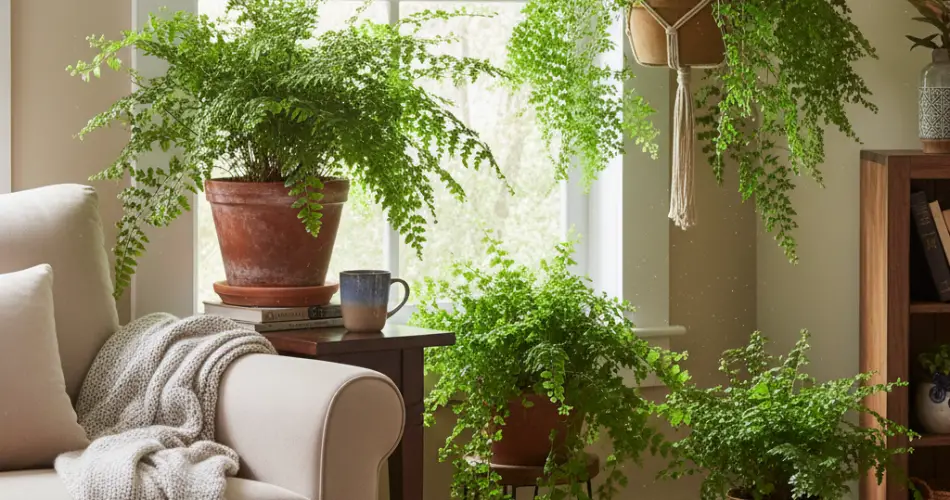
Boston ferns (Nephrolepis exaltata ‘Bostoniensis’) are popular for their lush, feathery fronds and ability to bring a touch of green elegance to indoor and outdoor spaces. These ferns are valued for their cascading foliage, which works beautifully in hanging baskets, containers, and even as indoor accent plants. However, achieving healthy, vibrant growth depends on more than just watering and humidity—light is one of the most critical factors for Boston fern care.
Understanding whether Boston ferns prefer bright or shady spots will help you maintain strong, verdant foliage and prevent common problems like browning fronds or stunted growth.
Native Habitat and Natural Lighting
Boston ferns originate from tropical and subtropical regions, where they thrive in the understory of forests. In their natural habitat, they receive filtered sunlight through the canopy, avoiding the harsh, direct rays of the midday sun. This adaptation explains why Boston ferns are excellent for shaded gardens and indoor spaces but require careful consideration when exposed to bright sunlight.
Bright Light for Boston Ferns
Boston ferns enjoy bright, indirect light, which stimulates growth while protecting the delicate fronds from burning. A well-lit area encourages vibrant green foliage and helps the plant maintain its lush, full appearance.
Indoor placements for bright light:
-
East-facing windows: Provide gentle morning sun, which supports healthy frond development.
-
North-facing windows: Offer consistent, moderate light, especially in areas without strong afternoon sun.
-
Filtered south- or west-facing windows: Sheer curtains or placement a few feet back prevents scorching while giving sufficient brightness.
Bright, indirect light indoors allows Boston ferns to flourish without the risk of browning or yellowing leaves.
Can Boston Ferns Grow in Shady Spots?
One of the reasons Boston ferns are so versatile is their ability to tolerate low-light or shaded conditions. They can survive in darker corners of a room or under taller indoor plants.
In shady spots, expect:
-
Slower growth, with fronds developing more gradually.
-
Lighter green foliage rather than deep, vibrant tones.
-
Reduced density, which may make the fern appear less full.
While Boston ferns can adapt to shade, prolonged low-light conditions may reduce their overall vitality. If you want the plant to look lush and healthy, providing brighter, indirect light is preferable.
Outdoor Light Considerations
Outdoors, Boston ferns thrive in shady to partially shaded areas, making them ideal for porches, patios, and shaded garden beds. Too much direct sunlight, particularly in hot climates, can scorch the fronds, leaving brown tips or entire fronds dried out.
Tips for outdoor placement:
-
Morning sun exposure is generally safe, but protect the plant from harsh afternoon rays.
-
Partial shade or dappled light replicates the fern’s natural forest habitat.
-
Avoid full sun, especially for prolonged periods, to maintain healthy, green foliage.
Gradually acclimating indoor ferns to outdoor light is crucial if you plan to move them outside, preventing shock or sunburn.
Artificial Lighting for Indoor Ferns
If your home lacks sufficient natural light, Boston ferns respond well to artificial lighting. Fluorescent or LED grow lights can provide the intensity needed for healthy growth.
Tips for artificial lighting:
-
Use full-spectrum lights to simulate natural sunlight.
-
Position lights about 12–18 inches above the plant.
-
Keep lights on for 10–12 hours per day to maintain consistent growth.
Artificial lighting ensures that even in low-light interiors, Boston ferns can develop full, healthy fronds.
Seasonal Adjustments
Boston ferns’ light needs may change with the seasons.
-
Summer: Provide filtered light or partial shade outdoors to avoid scorching from strong sun.
-
Winter: Move indoor ferns closer to bright windows or use supplemental lighting, as natural daylight diminishes.
Rotating your fern occasionally ensures even growth and prevents fronds from leaning toward the light source.
Signs of Incorrect Lighting
Boston ferns provide clear signals if their light conditions are not ideal:
-
Too little light: Slow growth, pale or yellowing fronds, and sparse foliage.
-
Too much light: Brown, crispy tips, and scorched fronds.
-
Optimal light: Lush, vibrant green fronds with dense, full growth.
By monitoring these signs, you can adjust placement to maintain a healthy and attractive fern.
Final Thoughts
Boston ferns are beautiful, adaptable plants that can thrive in a variety of light conditions. While they tolerate shady spots, they perform best in bright, indirect light that mimics the filtered sunlight of their natural forest habitat. Proper light promotes dense, vibrant foliage and keeps fronds healthy and lush.
For indoor settings, choose east- or north-facing windows or filtered bright areas. Outdoors, partial shade or dappled sunlight works best. With the right balance of light, Boston ferns will thrive, providing a refreshing splash of greenery and elegance to any space year-round.


