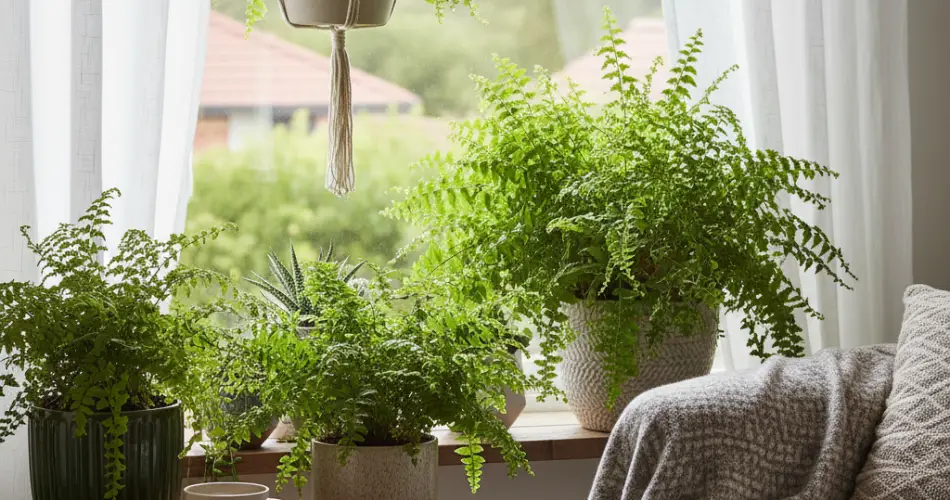
Boston ferns (Nephrolepis exaltata), with their lush, arching fronds and vibrant green color, are among the most popular indoor ferns. They bring a touch of tropical elegance to homes and offices and are known for their air-purifying qualities. However, like all plants, Boston ferns thrive when their basic care requirements are met, and one of the most important factors for their health is light. Understanding how much sunlight Boston ferns need indoors is crucial to keeping them healthy and vibrant.
Understanding Boston Fern Light Needs
Boston ferns are native to tropical and subtropical regions, where they grow under the canopy of larger trees. This natural habitat provides bright but indirect light. Direct sunlight can scorch their delicate fronds, while insufficient light can slow growth and cause the plant to appear weak and droopy. In indoor settings, recreating this balance is key.
Ideal Sunlight for Boston Ferns Indoors
Indoors, Boston ferns prefer bright, indirect light. A spot near an east-facing window is often ideal, as it provides gentle morning sunlight that is less intense than afternoon rays. South- or west-facing windows can also work, but care must be taken to shield the fern from strong, direct sunlight, which can burn the fronds. North-facing windows usually do not provide enough light on their own, so ferns in these locations may require supplemental lighting.
Signs of Too Much Sunlight
When a Boston fern receives too much direct sunlight, its fronds may begin to yellow or develop brown tips. The fronds may curl, become dry, or appear scorched. If these signs are noticed, it is important to move the plant to a location with less intense light or provide a sheer curtain to diffuse the sunlight.
Signs of Too Little Sunlight
Conversely, inadequate light can also harm Boston ferns. In low-light conditions, fronds may turn pale green, thin, or drop off entirely. Growth slows significantly, and the plant can become leggy as it stretches toward available light. While Boston ferns can tolerate lower light temporarily, sustained insufficient light will weaken the plant over time.
Balancing Light with Other Care Requirements
Sunlight is only one factor in Boston fern care. These ferns also require consistent moisture, humidity, and temperature control. They thrive in moderately humid environments and need soil that is kept evenly moist but not waterlogged. Too much sun combined with dry conditions can quickly dry out fronds. Similarly, too little sun with excessive watering can lead to root rot. Maintaining a balance of light, moisture, and humidity is key to keeping the fern healthy.
Supplementing Light for Indoor Boston Ferns
In spaces where natural sunlight is limited, artificial lighting can help Boston ferns thrive. Fluorescent or LED grow lights can provide the spectrum of light that ferns need for photosynthesis. Position the light about 12-18 inches above the plant and keep it on for 12-14 hours a day to mimic natural daylight cycles. This is particularly useful during winter months or in rooms with few windows.
Rotating and Monitoring Your Fern
Rotating your Boston fern every few weeks helps ensure even growth. Since light from windows tends to come from one direction, the fern may grow lopsided if it is not regularly turned. Observing your fern for signs of light stress—yellowing, browning, or drooping fronds—will allow you to adjust its position as needed.
Choosing the Right Location Indoors
Ideal indoor locations for Boston ferns include:
-
Near an east-facing window with morning sun.
-
Near a south- or west-facing window but behind a sheer curtain.
-
In bright rooms with filtered sunlight from multiple directions.
Avoid placing ferns directly in front of hot, sunny windows, near heaters, or in drafty areas, as these conditions can amplify light stress.
Conclusion
Boston ferns are relatively low-maintenance when their light needs are properly met. Bright, indirect sunlight is optimal, replicating their natural understory environment. Too much sun leads to scorched fronds, while too little light slows growth and causes weak foliage. By carefully observing your fern, positioning it near appropriate light sources, and supplementing with artificial light if necessary, you can ensure it remains lush, healthy, and a vibrant addition to your indoor space. With the right balance of light, moisture, and humidity, Boston ferns can thrive indoors for many years, adding greenery and elegance to your home.


