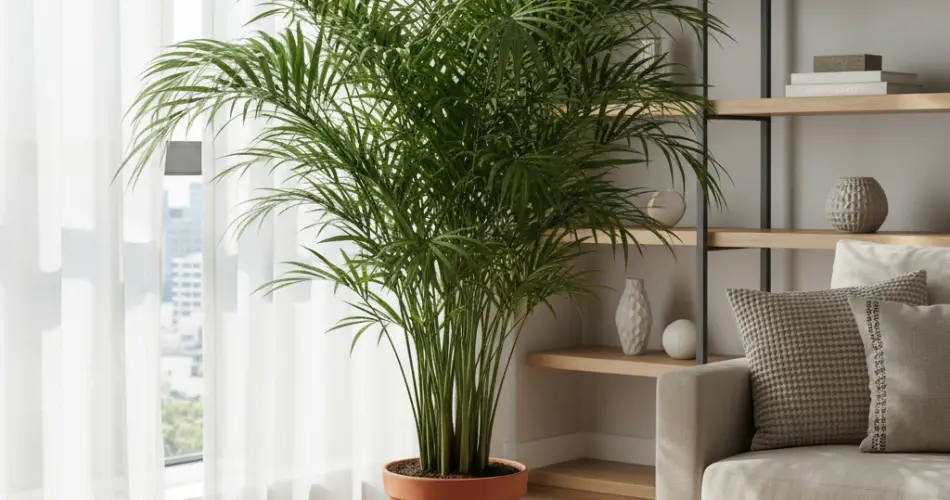
Bamboo palms (Chamaedorea seifrizii) are elegant and versatile houseplants, prized for their feathery fronds, upright growth, and ability to bring a tropical feel to indoor spaces. Not only do they add visual appeal, but they are also known for their air-purifying qualities, making them a popular choice for homes, offices, and public interiors. While bamboo palms are relatively easy to care for, light is one of the most critical factors in ensuring healthy growth and lush foliage.
Understanding their ideal light conditions can help you maintain vibrant green leaves, prevent common problems such as yellowing fronds, and ensure your palm thrives year-round.
Native Habitat and Natural Lighting
Bamboo palms are native to the understory of tropical forests in Central and South America. There, they receive filtered sunlight, growing beneath the canopy of taller trees. This environment allows them to adapt to lower light conditions compared to other palms but still favors bright, indirect light for optimal health. Their natural habitat provides clues for how to position them indoors or outdoors to mimic ideal conditions.
Bright, Indirect Light: The Best Choice
Bamboo palms thrive in bright, indirect light, which encourages strong, healthy growth without risking leaf burn. While they tolerate lower light levels, bright filtered light produces the best results in terms of frond development, plant height, and overall vigor.
Indoor placement tips:
-
East-facing windows: Offer gentle morning sunlight that stimulates growth without scorching fronds.
-
North-facing windows: Provide consistent, moderate light for steady development.
-
Filtered south- or west-facing windows: Sheer curtains or placing the palm a few feet from the glass prevents exposure to harsh afternoon rays.
In these conditions, bamboo palms develop rich, green foliage and maintain their upright, graceful form.
Can Bamboo Palms Survive in Low Light?
Bamboo palms are often recommended for indoor spaces because they tolerate low-light environments. This makes them ideal for offices, hallways, or rooms with minimal natural light.
In low-light conditions, expect:
-
Slower growth and fewer new fronds.
-
Darker leaves and less vibrant green coloration.
-
Slightly more compact growth, which can still look attractive but may reduce the palm’s full tropical effect.
While bamboo palms can survive in shade, they perform best when exposed to brighter indirect light. If growth slows or fronds appear dull, relocating the plant to a brighter spot or supplementing with artificial light can help restore vitality.
Direct Sunlight: What to Avoid
Although bamboo palms enjoy brightness, direct sunlight can be harmful. Harsh rays, particularly through south- or west-facing windows, can scorch leaves, causing brown tips, yellowing, or curling. Even outdoors, young or indoor-acclimated palms require gradual exposure to prevent sunburn.
To protect the plant:
-
Use sheer curtains indoors to filter strong sunlight.
-
Position palms several feet back from direct sun.
-
Gradually acclimate indoor palms to brighter outdoor light if moving them outside during warmer months.
Outdoor Light Considerations
In warm, frost-free climates, bamboo palms can be grown outdoors. Ideal outdoor conditions include partial shade or filtered sunlight, mimicking their native understory environment.
Tips for outdoor placement:
-
Morning sun is generally safe, but protect the plant from intense afternoon rays.
-
Place palms under the shade of taller trees or structures for dappled light.
-
Avoid full sun exposure, which can cause frond scorch and stress.
Outdoor placement should consider both the species’ tolerance and the intensity of local sunlight to prevent damage.
Artificial Lighting for Bamboo Palms
For homes or offices with limited natural light, bamboo palms respond well to artificial lighting. Fluorescent or LED grow lights provide enough intensity to sustain healthy growth.
Tips for artificial lighting:
-
Use full-spectrum grow lights to mimic natural sunlight.
-
Position the light about 12–18 inches above the plant.
-
Keep the light on for 10–12 hours per day to maintain regular growth cycles.
This approach is particularly useful during winter months or in spaces with few windows.
Seasonal Adjustments
Lighting needs can change with the seasons:
-
Summer: Shield palms from intense afternoon sun outdoors or indoors near bright windows.
-
Winter: Move plants closer to windows or supplement with grow lights to compensate for shorter daylight hours.
Rotating the plant periodically ensures even frond growth and prevents leaning toward the light source.
Signs of Incorrect Light
Your bamboo palm will signal if lighting conditions are inadequate:
-
Too little light: Slow growth, smaller fronds, and dull, dark leaves.
-
Too much direct light: Scorched fronds, yellowing, and crispy tips.
-
Ideal light: Lush, vibrant green fronds and steady growth.
By observing these signs, you can quickly adjust placement for optimal health.
Final Thoughts
Bamboo palms are elegant, low-maintenance plants that bring tropical beauty to indoor and outdoor spaces. While they tolerate low-light conditions, they thrive in bright, indirect light, which encourages vigorous growth, rich green fronds, and a fuller appearance.
Proper placement—whether indoors near filtered sunlight, outdoors in partial shade, or under artificial lighting—ensures your bamboo palm stays healthy and vibrant. With the right light, this versatile houseplant can enhance any environment, providing year-round beauty and a touch of tropical elegance.


