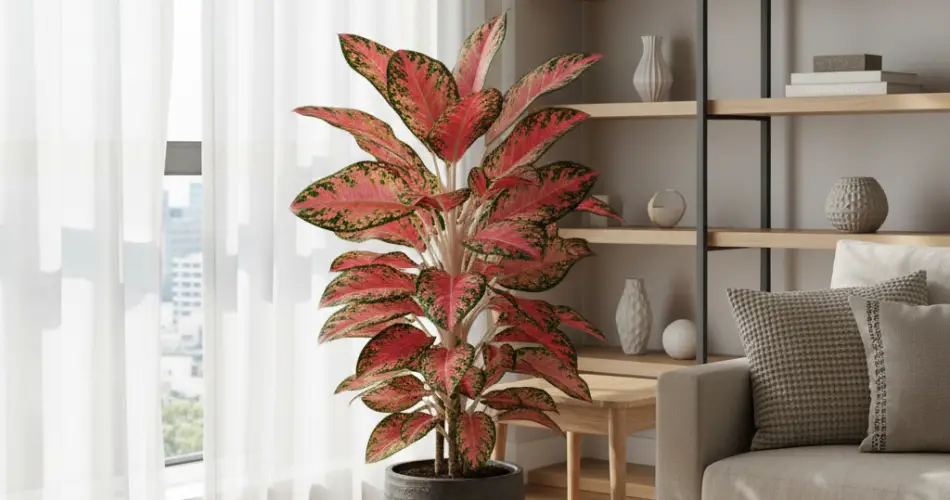
Chinese evergreens (Aglaonema spp.) are among the most popular indoor plants, celebrated for their striking foliage, low-maintenance nature, and ability to thrive in a variety of indoor conditions. These tropical plants bring elegance and greenery into homes and offices, making them a favorite for both beginners and experienced plant enthusiasts. One of the key factors to ensure a healthy Chinese evergreen is understanding its sunlight requirements. Knowing how much sunlight these plants need indoors can make the difference between thriving, vibrant foliage and dull, struggling leaves.
Understanding Chinese Evergreen Light Needs
Native to the tropical forests of Southeast Asia, Chinese evergreens naturally grow under the canopy of taller trees. This environment provides bright but filtered light, protecting the plant from direct sun. While the plant is adaptable, it prefers moderate indirect light and is well-suited to low-light indoor conditions. Understanding this natural habitat helps explain why Chinese evergreens can survive in rooms with minimal sunlight, unlike many other tropical plants.
Ideal Sunlight for Indoor Chinese Evergreens
Chinese evergreens thrive in bright, indirect light, but they are highly adaptable and can tolerate low-light conditions. Placing them near an east-facing window is ideal, as it offers gentle morning sunlight. South- and west-facing windows can also work, provided that the light is filtered with sheer curtains to prevent direct exposure, which can scorch the leaves. In low-light conditions, Chinese evergreens will survive but may grow more slowly, and their leaf variegation might be less pronounced.
Signs of Too Much Sunlight
Excessive sunlight is one of the most common problems for Chinese evergreens. Direct exposure to intense sun, especially from south- or west-facing windows, can cause the leaves to yellow, burn, or develop brown tips. Over time, prolonged exposure can damage the plant, leading to leaf loss and stunted growth. If your plant shows these signs, it’s best to move it to a spot with filtered light or use a sheer curtain to diffuse sunlight.
Signs of Too Little Sunlight
Chinese evergreens are remarkably tolerant of low-light environments, which makes them ideal for offices or rooms with few windows. However, if the plant receives insufficient light over time, growth may slow, leaves may become smaller, and the plant may lose some of its vibrant color. In extreme cases, the plant may shed older leaves as it conserves energy. While they can tolerate low light temporarily, Chinese evergreens will thrive when they receive moderate indirect light consistently.
Balancing Light with Other Care Needs
Light is only one aspect of proper care for Chinese evergreens. These plants also require consistent watering, moderate humidity, and well-draining soil. Overwatering in low-light conditions can lead to root rot, while direct sunlight combined with dry indoor air can stress the plant and damage leaves. Maintaining a balance of light, moisture, and humidity is essential for keeping the plant healthy, vibrant, and long-lived.
Using Artificial Lighting Indoors
In indoor spaces with very limited natural light, Chinese evergreens can benefit from fluorescent or LED grow lights. Positioning the light about 12–18 inches above the plant and running it for 12–14 hours daily can help mimic natural light conditions, supporting healthy growth and maintaining foliage color. Artificial light is especially useful during winter or in rooms with minimal exposure to windows.
Monitoring and Adjusting Your Plant
Regularly observing your Chinese evergreen allows you to respond quickly to any signs of light stress. Yellowing, browning, or slow growth indicates the need for light adjustment. Rotating the plant occasionally helps ensure all leaves receive even light, preventing lopsided growth and keeping the plant symmetrical.
Choosing the Right Location Indoors
Optimal indoor locations for Chinese evergreens include:
-
Near an east-facing window with gentle morning light.
-
Near south- or west-facing windows with filtered sunlight.
-
Rooms with bright, indirect light from multiple directions.
Avoid placing Chinese evergreens in direct, harsh sunlight or near heating vents, air conditioners, or drafty areas, as these conditions can damage foliage and stress the plant.
Conclusion
Chinese evergreens are versatile indoor plants that thrive in moderate, indirect sunlight but are forgiving enough to survive in low-light environments. Too much direct sun causes leaf burn, while too little light slows growth and affects foliage color. By positioning your plant near the right light source, supplementing with artificial lighting if necessary, and balancing sunlight with proper watering and humidity, you can enjoy a thriving, vibrant Chinese evergreen indoors. These hardy, elegant plants are not only visually appealing but also contribute to indoor air quality, making them a valuable addition to any home or office space.


