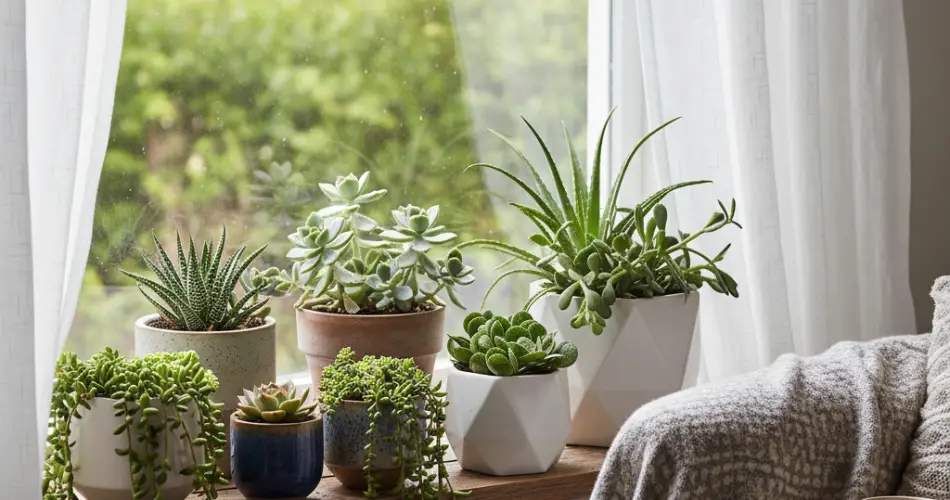
Succulents are among the most beloved plants for indoor and outdoor gardening, prized for their striking shapes, vibrant colors, and easy care requirements. From echeverias and aloe to jade plants and sedums, succulents are celebrated for their ability to store water in thick, fleshy leaves, stems, or roots. Despite their hardy nature, one question many gardeners ask is: How much sunlight do succulents actually need to thrive? Understanding their light requirements is essential for healthy growth, vibrant foliage, and long-lasting plants.
Understanding Succulent Light Preferences
Succulents originate from arid and semi-arid regions around the world, including deserts, rocky hillsides, and scrublands. These environments provide intense, direct sunlight and dry conditions, which have shaped their adaptations. Their leaves and stems store water, allowing them to survive long periods without rain, but sunlight is critical for photosynthesis, maintaining color, and promoting compact, healthy growth.
Ideal Sunlight Conditions
-
Bright, Direct Light: Most succulents thrive with 6–8 hours of direct sunlight daily, especially outdoor varieties. Sunlight stimulates strong, compact growth and enhances vibrant leaf coloration. Many succulents develop red, pink, or purple highlights on leaves when exposed to ample sunlight.
-
Indirect Light Indoors: When grown indoors, succulents generally need bright, indirect light for 6–8 hours a day. A south-facing window provides optimal exposure, while east- or west-facing windows can work if sunlight is filtered or supplemented with artificial light.
-
Avoid Prolonged Low Light: Succulents can tolerate lower light temporarily, but insufficient sunlight leads to etiolated growth, where stems stretch and leaves become sparse. Over time, low-light conditions can weaken the plant and reduce its resilience.
Signs Your Succulent’s Light Is Off
Observing your succulent regularly can help you determine whether it’s receiving the right amount of sunlight:
-
Too Little Light: Plants stretch toward the nearest light source, causing elongated, weak stems and widely spaced leaves. Color may fade, and growth can become spindly.
-
Too Much Light: Sudden exposure to intense sunlight, especially for indoor-grown plants, can cause sunburn. Leaves may develop brown or white patches, shrivel, or blister. Gradually acclimating succulents to stronger light can prevent damage.
-
Optimal Light: Healthy succulents have compact growth, vibrant colors, firm leaves, and a balanced appearance. Some varieties may display natural coloration changes, such as red or orange tips, under sufficient sunlight.
Tips for Providing Optimal Sunlight
-
Choose the Right Location: Outdoors, plant succulents in spots that receive 6–8 hours of sunlight. Indoors, position them near south- or east-facing windows for maximum light exposure.
-
Gradual Acclimation: When moving plants from indoors to outdoors or from shade to bright sunlight, increase exposure gradually to prevent sunburn. Start with 1–2 hours of morning sun and increase daily over 1–2 weeks.
-
Supplement with Artificial Light: In low-light indoor areas, use LED or fluorescent grow lights for 10–12 hours a day. Position lights 12–18 inches above the plant to mimic natural sunlight.
-
Rotate Regularly: Turn indoor succulents every few days to ensure even light distribution and prevent uneven growth.
-
Use Sheer Curtains: If indoor sunlight is intense, a sheer curtain can filter light to protect delicate leaves while still providing sufficient illumination.
Additional Care Considerations
While sunlight is critical, other environmental factors influence succulent health:
-
Watering: Light affects soil drying. Succulents in bright light require more frequent watering than those in low light. Always allow soil to dry between waterings to prevent root rot.
-
Temperature: Succulents thrive in temperatures between 60°F and 80°F (15°C–27°C). Protect them from frost and extreme heat.
-
Soil: Use well-draining, sandy or gritty soil to support healthy roots and prevent waterlogging. Proper drainage is essential, especially under bright sunlight where soil dries quickly.
-
Humidity: Low humidity benefits most succulents. High humidity can increase the risk of fungal diseases or rot.
Benefits of Proper Sunlight
Providing adequate sunlight offers numerous advantages:
-
Vibrant Colors: Proper light enhances natural leaf coloration and patterns.
-
Compact Growth: Adequate sunlight prevents legginess, promoting compact, symmetrical shapes.
-
Flowering Potential: Many succulents produce blooms only under sufficient light conditions.
-
Resilient Plants: Well-lit succulents are healthier, more drought-tolerant, and less susceptible to pests and diseases.
Conclusion
Succulents are resilient, drought-tolerant plants, but they still need adequate sunlight to thrive. While outdoor succulents typically require 6–8 hours of direct sun, indoor varieties benefit from bright, indirect sunlight or supplemental artificial light. Proper sunlight ensures compact growth, vibrant foliage, and strong, resilient plants. By choosing the right location, gradually acclimating plants to sunlight, and monitoring growth, you can enjoy thriving succulents that bring beauty, color, and low-maintenance elegance to your indoor or outdoor garden for years to come.


