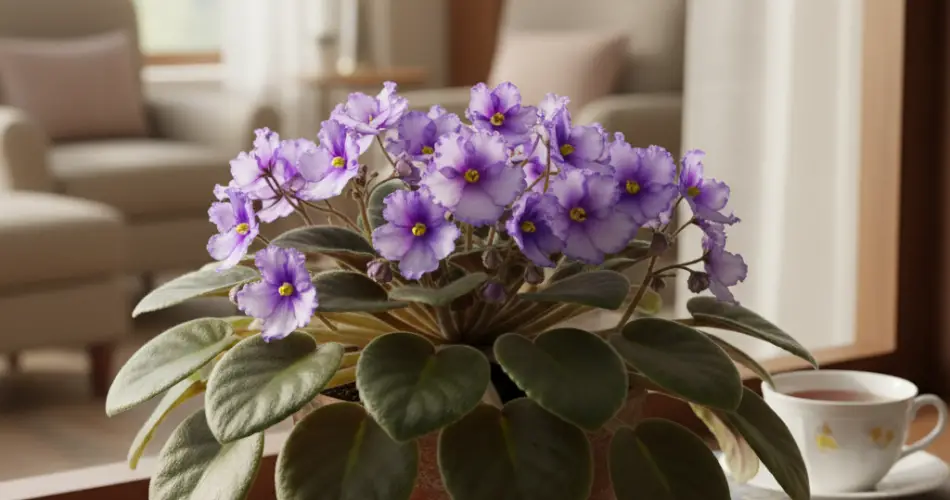
African violets (Saintpaulia spp.) are cherished houseplants, famous for their soft, velvety leaves and vibrant, long-lasting blooms in shades of purple, pink, blue, and white. Compact and easy to care for, they are perfect for indoor spaces, from windowsills to tabletops. Despite their popularity, many plant enthusiasts ask: How much sunlight do African violets really need indoors? Understanding their light requirements is key to promoting healthy growth, abundant flowering, and long-term success.
Understanding African Violet Light Preferences
Native to the cloud forests of East Africa, African violets grow in shaded environments under the forest canopy. In their natural habitat, they receive bright, filtered light rather than harsh, direct sun. Over time, they have adapted to thrive under controlled indoor conditions with indirect sunlight. Proper lighting is essential for maintaining their compact rosette shape, producing flowers, and keeping leaves healthy and vibrant.
Ideal Sunlight Conditions
-
Bright, Indirect Light: African violets thrive in bright, indirect sunlight for about 8–12 hours per day. An east-facing window is ideal, providing gentle morning sunlight, while north-facing windows also work well. Bright, indirect light encourages strong leaf growth and prolific flowering.
-
Avoid Direct Sunlight: Prolonged exposure to direct sun, particularly from south- or west-facing windows, can scorch leaves, leaving brown or yellow patches. African violets are sensitive to intense light, and overexposure can stunt growth or harm flowers.
-
Low Light Tolerance: These plants can survive in lower light, such as rooms with north-facing windows or interior spaces, but growth will slow, flowering may be sparse, and leaves may lose some vibrancy. Artificial light can supplement low-light areas to maintain healthy growth.
Signs Your African Violet Is Receiving Too Much or Too Little Light
Monitoring your plant is crucial to ensure it receives optimal sunlight:
-
Too Little Light: Leaves become pale, stretched, or droopy. Flowering decreases, and the plant may produce fewer blooms or stop flowering altogether.
-
Too Much Light: Leaves develop brown or crispy edges, and intense light can damage flowers, reducing their lifespan.
-
Optimal Light: Healthy African violets have compact rosettes with deep green, velvety leaves and abundant blooms. Flowers appear vibrant, and growth is steady and balanced.
Tips for Providing Optimal Sunlight
-
Choose the Right Spot: Place African violets near east- or north-facing windows that provide bright, filtered sunlight. Avoid direct sun from south- or west-facing windows unless filtered with sheer curtains.
-
Rotate Regularly: Turn your plant every few weeks to ensure all sides receive light evenly. This prevents uneven growth and encourages symmetrical rosette formation.
-
Supplement with Artificial Light: If natural light is limited, fluorescent or LED grow lights can provide 12–14 hours of indirect light per day, supporting healthy leaf and flower growth. Position lights 12–18 inches above the plant.
-
Gradual Light Adjustments: When moving your plant to a brighter location, introduce it gradually to prevent leaf burn and flower damage.
Additional Care Considerations
Light is essential, but other environmental factors also influence African violet health:
-
Watering: African violets prefer evenly moist soil. Light affects soil drying, so plants in brighter spots may require more frequent watering, while low-light plants need less. Avoid wetting leaves directly, as this can cause spotting or fungal issues.
-
Temperature: Ideal indoor temperatures range between 65°F and 75°F (18°C–24°C). Avoid cold drafts or placing the plant near heating vents.
-
Humidity: African violets thrive in moderate to high humidity (around 50–60%). A humidity tray or grouping plants together can help maintain appropriate levels.
-
Soil: Use a well-draining, lightweight potting mix formulated for African violets to promote root health and prevent waterlogging.
Benefits of Proper Light
Providing the right sunlight offers several advantages:
-
Vibrant Leaves and Flowers: Adequate light maintains deep green foliage and promotes abundant, colorful blooms.
-
Compact Growth: Optimal lighting encourages a tight rosette shape, preventing leggy or stretched leaves.
-
Extended Flowering: Proper light supports long-lasting blooms, maximizing the plant’s ornamental appeal.
-
Resilient Plant Health: Plants grown in optimal light are more resistant to pests, diseases, and stress, requiring less maintenance.
Conclusion
African violets are delicate yet resilient houseplants that thrive in bright, indirect sunlight. While they can tolerate lower light levels, sufficient filtered sunlight ensures healthy foliage, compact growth, and prolific flowering. Direct sunlight should be avoided to prevent leaf burn, and artificial light can supplement low-light areas to maintain vitality. By placing your African violet in the right spot, rotating it periodically, and monitoring leaf and flower health, you can enjoy a thriving, vibrant plant that enhances your indoor space with lush greenery and colorful blooms for years to come.


