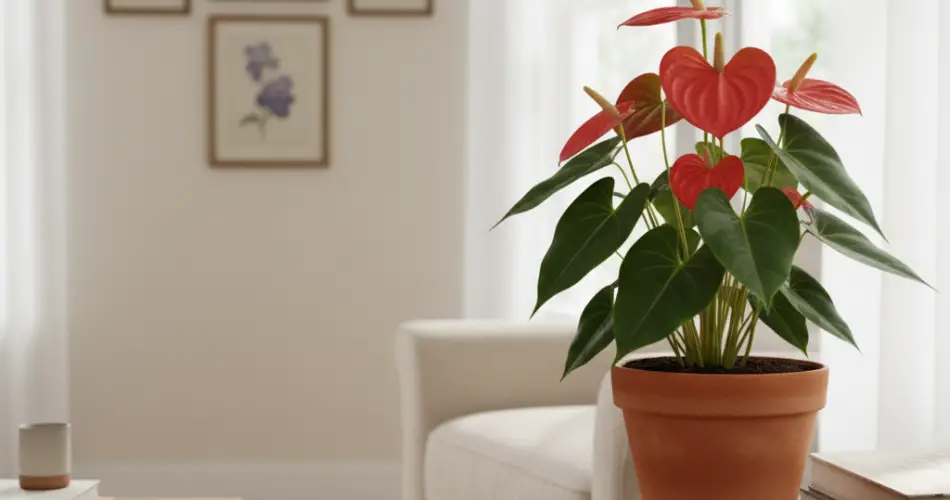
Anthuriums, often called “flamingo flowers” or “laceleaf,” are striking tropical plants admired for their glossy heart-shaped leaves and brightly colored spathes that resemble flowers. They are native to the rainforests of Central and South America, where they grow beneath tall trees in filtered sunlight. This natural environment explains why proper lighting is so important for their health and beauty.
If you want your anthurium to display lush leaves and continuous blooms, understanding its light requirements is the key. Let’s explore how different levels of light affect this plant and how you can create the best conditions at home.
Why Light Matters for Anthuriums
Like all plants, anthuriums need light to photosynthesize and produce energy. However, the quality and intensity of light directly influence whether the plant grows vibrant foliage or produces its iconic red, pink, or white blooms.
-
Too little light results in slow growth, fewer blooms, and duller leaves.
-
Too much direct sun can scorch the glossy foliage and fade the colorful spathes.
-
Balanced, indirect light creates the best conditions for both healthy leaves and striking flowers.
Best Light for Anthuriums Indoors
Indoors, anthuriums thrive in bright, indirect light. This means placing them close to a window where they receive plenty of daylight but are shielded from harsh, direct sun.
-
East-facing windows are ideal because they provide gentle morning light.
-
North-facing windows work well in bright climates, though growth may be slower.
-
South- or west-facing windows should be filtered with sheer curtains to avoid intense midday rays.
In the right spot, your anthurium will develop deep green foliage and colorful, long-lasting blooms.
Can Anthuriums Grow in Low Light?
Anthuriums are often marketed as “low-light houseplants,” but this can be misleading. While they can survive in low light, they won’t thrive. In darker corners, you may notice:
-
Few or no flowers.
-
Smaller, pale leaves.
-
Leggy growth as the plant stretches toward light.
If your anthurium is only producing foliage with no blooms, it’s usually a sign that it needs more light. To encourage flowering, move it closer to a brighter location.
Outdoor Light Requirements
If you live in a warm, frost-free climate, anthuriums can also be grown outdoors. They should be placed in a shaded or partially shaded spot, mimicking the dappled light of their natural rainforest habitat.
-
Direct midday sun can scorch their leaves.
-
Bright but filtered light, such as under a tree canopy or shade cloth, is ideal.
-
Morning or late afternoon sun is generally safe if not too intense.
Outdoors, proper placement will reward you with more frequent and vibrant blooms.
Artificial Light for Anthuriums
For homes or offices with limited natural light, anthuriums adapt well to artificial lighting. Fluorescent or LED grow lights placed above the plant can provide the intensity needed to stimulate blooming.
-
Use a full-spectrum grow light to mimic natural sunlight.
-
Provide about 10–12 hours of artificial light daily.
-
Position the light around 12–18 inches above the plant to prevent overheating.
Artificial light can be especially helpful during winter months when natural daylight is reduced.
Seasonal Adjustments
Light intensity changes with the seasons, and your anthurium may need repositioning.
-
Summer: Move it slightly back from windows or use sheer curtains to protect from strong rays.
-
Winter: Move it closer to windows or supplement with grow lights, as daylight is weaker and shorter.
Rotating the plant every few weeks ensures even growth and prevents one side from becoming lopsided.
Signs of Incorrect Lighting
Your anthurium will show you whether its light needs are being met:
-
Too much light: Yellowing leaves, brown tips, and faded spathes.
-
Too little light: No blooms, slow growth, and darker, limp foliage.
-
Ideal light: Glossy green leaves and frequent, vibrant spathes.
By observing these signs, you can adjust placement and keep the plant in balance.
Practical Placement Tips
-
Place anthuriums near bright windows but shield them from harsh direct sunlight.
-
In darker rooms, supplement with grow lights to encourage blooming.
-
Avoid placing them in full shade if you want regular flowers.
-
Outdoors, provide dappled shade or filtered sunlight for best results.
Final Thoughts
Anthuriums are stunning plants that brighten any room with their tropical flair, but their beauty depends heavily on proper lighting. While they tolerate a range of conditions, bright, indirect light is essential for producing both glossy leaves and their signature colorful blooms.
If you want your anthurium to reach its full potential, avoid keeping it in deep shade and protect it from direct, scorching sun. With the right balance of light, your plant will reward you with long-lasting flowers and lush greenery, bringing a touch of the tropics into your home year-round.


